In Islamic tradition, animals hold a significant place, with specific rulings governing how they should be treated and whether keeping them as pets is permissible. Among the most frequently debated topics is the status of dogs—why are they generally discouraged or deemed impermissible in many Muslim households, while cats are not only allowed but often celebrated? This question arises from both religious texts and cultural practices across the Muslim world. To understand this distinction, it’s essential to examine the Quran, Hadith (sayings of Prophet Muhammad ﷺ), scholarly interpretations, and the practical reasoning behind these rulings.
The Religious Basis for Dog Restrictions in Islam
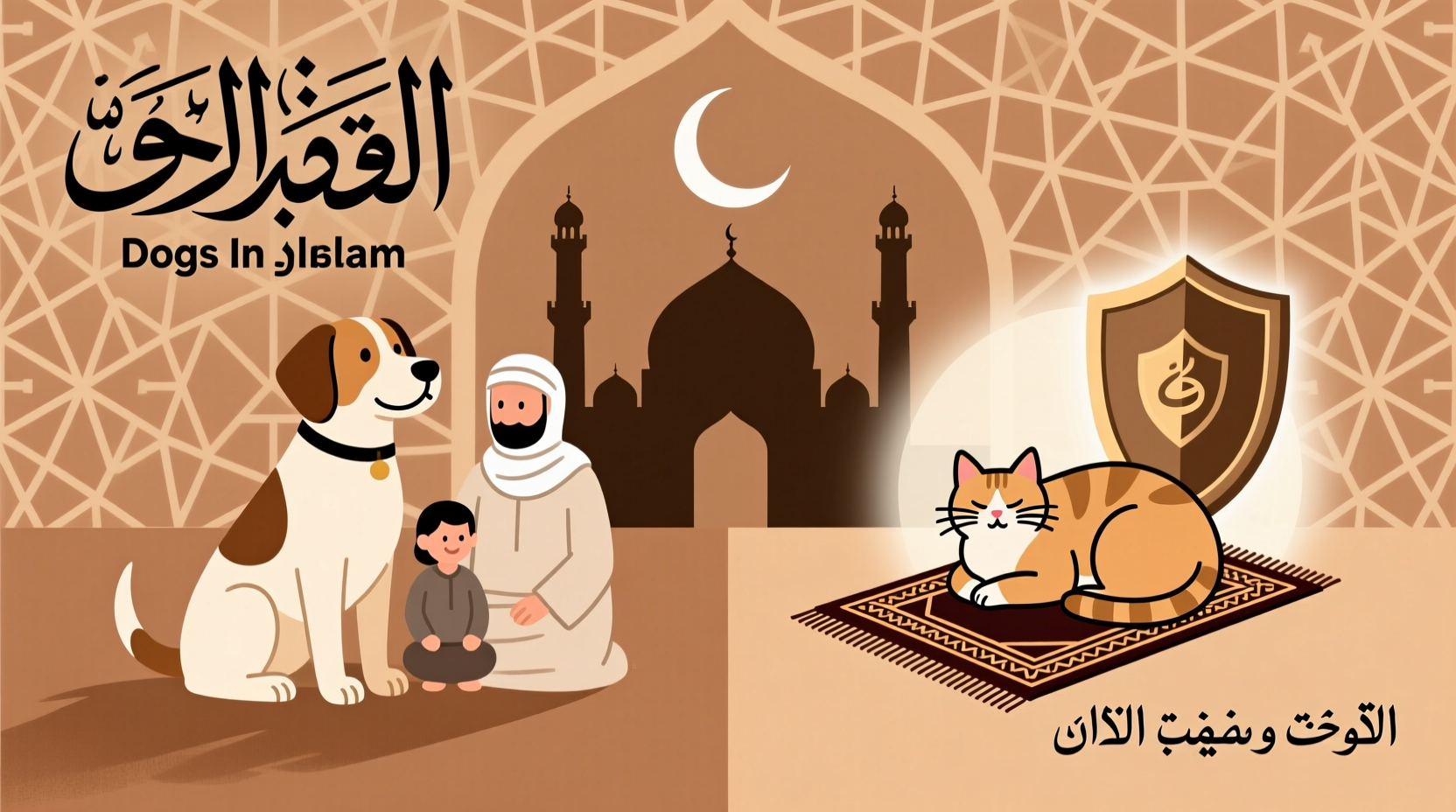
The primary concern regarding dogs in Islam stems from their ritual purity status. According to several authentic Hadiths, the saliva of a dog is considered ritually impure (najis). One such narration states:
“The Messenger of Allah ﷺ said: ‘If a dog licks a vessel, wash it seven times, the first time with soil.’” — Sahih Muslim, Hadith 279
This ruling directly impacts daily religious practice, particularly prayer (Salah), which requires physical cleanliness. Since Muslims must perform ablution (wudu) before prayer, any contact with impurities—especially in items used for eating or drinking—can invalidate that state of purity. The requirement to wash a container seven times, one of which includes using sand or soil, reflects the seriousness with which this impurity is viewed.
It's important to clarify that \"haram\" (forbidden) is often used colloquially when referring to dogs, but classical scholars typically classify dogs not as inherently unlawful, but as carriers of ritual impurity. Ownership itself is not universally prohibited; rather, it is restricted based on necessity and context.
Tip: Dogs may be kept for valid reasons such as guarding property, herding livestock, hunting, or assisting people with disabilities—these exceptions are recognized in Islamic jurisprudence.Permissibility of Cats in Islamic Teachings
In contrast to dogs, cats are widely regarded as clean animals in Islamic tradition. There are numerous narrations highlighting the Prophet Muhammad’s ﷺ kindness toward cats. One well-known incident involves Abu Hurairah, a companion known for his love of cats:
“Abu Hurairah reported that the Prophet ﷺ said: ‘A prostitute was forgiven by Allah because she gave water to a thirsty dog…’” — Sahih al-Bukhari, Hadith 3463
While this Hadith praises compassion toward dogs, another story illustrates the permissibility of cats. It is reported that the Prophet ﷺ once cut off the sleeve of his robe rather than disturb a cat sleeping on it. This act demonstrates tolerance, affection, and recognition of cats as non-impure creatures whose presence does not hinder worship.
Unlike dogs, there is no Hadith declaring cat saliva or fur to be impure. Therefore, a cat walking through a home or even drinking from a cup does not necessitate ritual cleansing. This fundamental difference in purity status explains why keeping cats as household companions has been widely accepted throughout Islamic history.
Historical and Practical Context Behind the Rulings
To fully appreciate the distinction between dogs and cats, one must consider the historical environment of 7th-century Arabia. Dogs were commonly used by Bedouins for guarding, hunting, and protecting livestock. However, they roamed freely, often unclean, and were associated with rabies and filth. In desert climates, hygiene was crucial, especially around food and water sources.
Cats, on the other hand, were natural hunters of pests like snakes and rodents—valuable traits in homes and mosques alike. Their self-grooming habits made them visibly cleaner, reinforcing perceptions of purity. Over time, these practical observations became codified into religious guidelines through scholarly interpretation (fiqh).
Different schools of Islamic law (Hanafi, Maliki, Shafi’i, Hanbali) vary slightly in their views. For example, the Hanafi school permits keeping dogs if necessary but discourages it due to impurity concerns. The Shafi’i school is stricter, generally prohibiting ownership except for essential purposes.
Common Misconceptions About Dogs in Islam
One widespread misconception is that all forms of dog ownership are strictly forbidden in Islam. This is inaccurate. Scholars agree that dogs used for legitimate needs are permitted. The key lies in intent and necessity:
- Hunting dogs: Permitted under Quranic guidance (Surah Al-Ma'idah 5:4)
- Guard dogs for farms or remote properties: Allowed
- Service dogs for the blind or disabled: Widely accepted by contemporary scholars
- Pets kept solely for companionship: Generally discouraged due to ritual implications
The prohibition is not about hatred or fear of dogs, but about maintaining spiritual and ritual cleanliness. Islam places great emphasis on hygiene as part of faith. As the Prophet ﷺ said, “Cleanliness is half of faith.” (Sahih Muslim, Hadith 223)
Do’s and Don’ts: A Practical Guide for Muslims Living With Dogs
| Do’s | Don’ts |
|---|---|
| Keep dogs outside living areas if used for security or work | Allow dogs in prayer spaces or bedrooms |
| Use separate utensils and cleaning tools for dog care | Let dogs drink from family cups or pots |
| Wash any area licked by a dog thoroughly, preferably with soil first | Touch a dog then perform prayer without washing hands |
| Treat dogs humanely—even while avoiding close contact | Abuse or neglect any animal, including dogs |
Expert Insight: Balancing Tradition and Modern Life
“In today’s world, many Muslims live in urban settings where service animals are vital. Classical rulings allow flexibility when necessity exists. The goal isn't to reject modernity, but to uphold purity while showing mercy to all creatures.” — Dr. Omar Suleiman, Islamic Scholar and President of Yaqeen Institute
Contemporary scholars emphasize compassion and context. While ritual purity remains central, Islam also commands kindness to animals. Owning a guide dog for a visually impaired person, for instance, is seen as an act of necessity (darurah), which overrides general restrictions.
Frequently Asked Questions
Is it a sin to own a dog as a pet?
Most scholars consider it disliked (makruh) rather than outright sinful, especially if done without necessity. However, keeping a dog indoors, particularly in areas used for prayer or dining, increases the risk of ritual impurity and is strongly discouraged.
Can I touch a dog and still pray?
If you touch a dog and your hands become wet (e.g., from saliva or damp fur), you must wash them thoroughly—preferably seven times, one with soil—to regain ritual purity. Dry contact with a clean dog does not require washing according to some scholars, though caution is advised.
Why are cats loved so much in Islam?
Cats are admired for their cleanliness, independence, and usefulness in controlling pests. The Prophet Muhammad ﷺ showed them kindness, setting a precedent for respectful treatment. Their presence does not interfere with worship, making them ideal companions in Islamic households.
Conclusion: Respecting Both Faith and Animals
The distinction between dogs and cats in Islam is rooted in religious texts, hygiene principles, and historical context—not animosity toward dogs. Understanding this helps avoid cultural misunderstandings and promotes responsible, compassionate behavior toward all animals. Whether allowing a service dog into the home or welcoming a cat as a family member, the guiding principles remain: preserve ritual purity, fulfill necessity, and treat every creature with dignity.
💬 Have questions about pets in Islam or personal experiences balancing faith and animal care? Share your thoughts below and join the conversation on ethics, tradition, and compassion in daily Muslim life.








