Dog owners often notice their pets with slightly teary eyes and wonder whether it’s normal or a cause for concern. While occasional tearing can be harmless, persistent or excessive eye discharge may signal an underlying health issue. Understanding the difference between benign irritation and serious conditions is essential for maintaining your dog’s well-being. This guide explores the most frequent reasons behind watery eyes in dogs, highlights warning signs, and provides practical advice on when to seek veterinary care.
Common Causes of Watery Eyes in Dogs
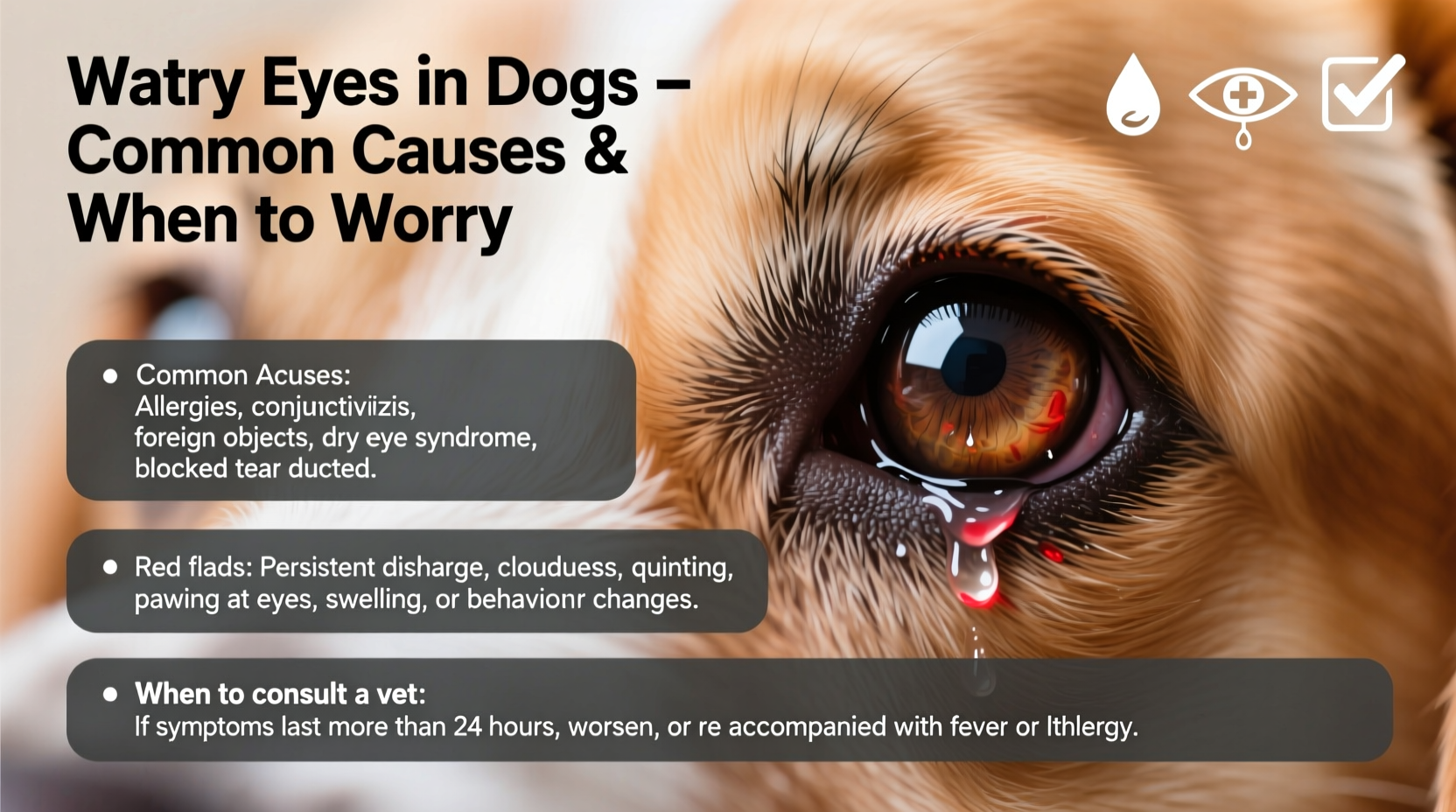
Watery eyes, or epiphora, occur when the tear ducts produce more tears than can be drained properly. In dogs, this can stem from a range of factors—some minor, others more serious. Identifying the root cause is key to determining the appropriate response.
- Allergies: Environmental allergens like pollen, dust, mold, or smoke can irritate a dog’s eyes, leading to increased tear production.
- Foreign Objects: Grass seeds, dirt, or eyelashes (especially in breeds with facial hair) can get trapped in the eye, causing discomfort and watering.
- Conjunctivitis (Pink Eye): Inflammation of the conjunctiva often results in redness, swelling, and excessive tearing. It can be caused by infections, allergies, or irritants.
- Anatomical Issues: Breeds with shallow eye sockets or protruding eyes—such as Pugs, Shih Tzus, or Bulldogs—are prone to chronic tearing due to their facial structure.
- Blocked Tear Ducts: If the nasolacrimal ducts are obstructed, tears cannot drain normally, leading to overflow and wet fur around the eyes.
- Eye Injuries: Scratches, ulcers, or trauma to the cornea can trigger pain and reflexive tearing.
- Infections: Bacterial or viral infections, including canine distemper, can lead to ocular discharge.
When to Be Concerned: Red Flags to Watch For
Not all watery eyes require immediate attention, but certain symptoms suggest a need for prompt veterinary evaluation. Persistent or worsening signs may indicate a progressive condition that could affect vision if left untreated.
“Chronic tearing isn’t always cosmetic—it can be a symptom of deeper ocular disease. Early diagnosis prevents complications.” — Dr. Laura Simmons, Veterinary Ophthalmologist
Seek professional help if you observe any of the following:
- Tears are accompanied by yellow, green, or thick mucus-like discharge.
- The eye appears red, swollen, or cloudy.
- Your dog is squinting, rubbing, or pawing at the eye frequently.
- There’s a visible injury, foreign body, or change in the shape of the eye.
- Watery eyes persist beyond 24–48 hours without improvement.
- Discharge stains the fur around the eyes (common in light-colored breeds).
Case Study: Bella the Maltese
Bella, a 4-year-old Maltese, began showing persistent tearing in her right eye. Her owner initially assumed it was seasonal allergies. However, after two weeks of daily dampness and developing brown tear stains, she brought Bella to the vet. Examination revealed an ingrown eyelash (distichiasis) irritating the cornea. After minor surgical correction, Bella’s symptoms resolved completely. This case illustrates how seemingly mild symptoms can have specific, treatable causes that aren’t always obvious to pet owners.
Do’s and Don’ts: Managing Watery Eyes at Home
| Action | Recommendation |
|---|---|
| Do gently clean the area | Use a soft, damp cloth to wipe away discharge from the inner corner outward. |
| Do monitor changes daily | Track color, consistency, and frequency of discharge. |
| Do trim facial hair | Keep hair around the eyes short to reduce irritation and trap debris. |
| Don’t use human eye drops | Unless prescribed, these can worsen irritation or cause damage. |
| Don’t let your dog rub their eyes | Use an Elizabethan collar if necessary to prevent further injury. |
| Don’t ignore unilateral symptoms | One-sided discharge often indicates a localized problem needing attention. |
Step-by-Step Guide: What to Do When Your Dog Has Watery Eyes
- Observe closely: Note whether the tearing affects one or both eyes and check for other symptoms like redness or swelling.
- Clean gently: Use warm water and a clean cloth to remove any crust or discharge.
- Inspect for foreign objects: Look under good lighting for visible debris or hairs touching the eye surface.
- Check recent changes: Consider exposure to smoke, new cleaning products, or outdoor allergens.
- Monitor for 24–48 hours: If symptoms improve, it may have been temporary irritation.
- Contact your veterinarian: If no improvement or if symptoms worsen, schedule an exam. The vet may perform fluorescein staining, measure tear production (Schirmer test), or flush the tear ducts.
Prevention Checklist
While not all causes of watery eyes can be avoided, proactive care reduces risks and supports long-term eye health.
- ✔ Trim hair around the eyes regularly, especially in long-haired breeds.
- ✔ Keep your dog’s face clean and dry to prevent bacterial growth.
- ✔ Avoid exposing your dog to smoke, strong perfumes, or chemical fumes.
- ��� Schedule annual wellness exams that include an ocular check.
- ✔ Use protective eyewear during high-risk activities (e.g., trail hiking).
- ✔ Feed a balanced diet rich in antioxidants to support immune and eye health.
Frequently Asked Questions
Is watery eye in dogs contagious?
It depends on the cause. Conjunctivitis due to viral or bacterial infections can be contagious to other dogs. Allergic or structural causes are not. If multiple pets in the household develop symptoms, isolate them and consult your vet promptly.
Can tear stains be harmful?
Tear stains themselves are cosmetic, but they indicate chronic moisture that can promote yeast and bacterial infections in the surrounding skin. Persistent staining should prompt a vet visit to address the underlying cause.
Are some breeds more prone to watery eyes?
Yes. Brachycephalic (short-nosed) breeds like Pekingese, Lhasa Apsos, and Boston Terriers are genetically predisposed to excessive tearing due to shallow orbits and misdirected eyelashes. Regular monitoring is crucial for these dogs.
Conclusion: Take Action Before It Gets Worse
Watery eyes in dogs can range from a fleeting annoyance to a symptom of significant ocular disease. While mild, transient tearing may resolve on its own, consistent or abnormal discharge warrants professional evaluation. Vision is irreplaceable, and early intervention can prevent pain, infection, and long-term damage. By staying observant, practicing preventive care, and knowing when to act, you protect not just your dog’s eyes—but their quality of life.
💬 Have your dog’s eyes been unusually watery? Share your experience or questions below. Your story might help another pet owner recognize a warning sign early.








