
As temperatures drop, pet owners face a critical decision: how to keep their dogs warm and safe during cold winter months. While some opt for traditional dog sweaters and coats, others are turning to advanced solutions like heated dog body warmers. But which option truly provides better warmth and protection? The answer depends on breed, climate, activity level, and the science behind heat retention. This article breaks down both options with practical insights, expert advice, and real-world comparisons to help you make an informed choice.
Understanding Canine Cold Sensitivity
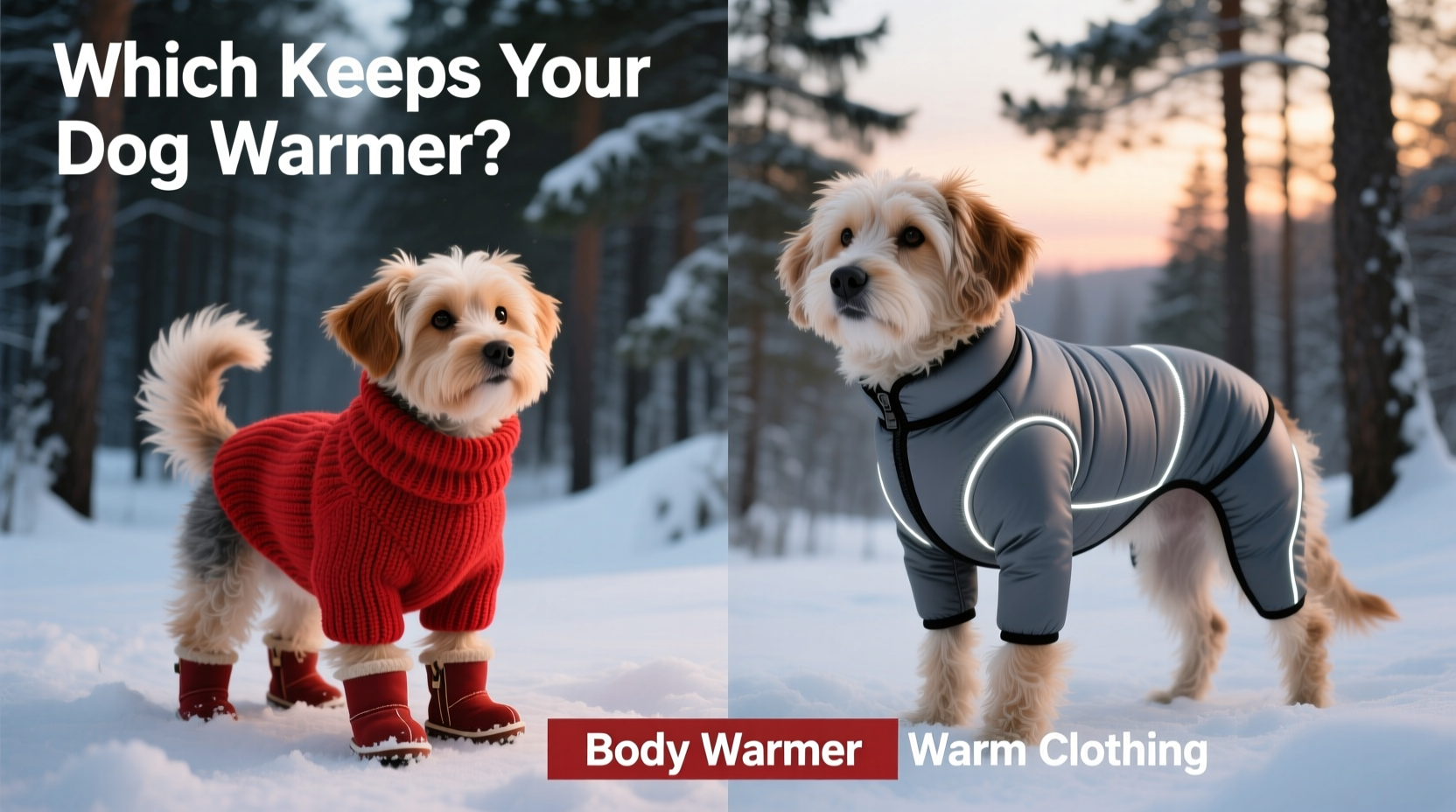
Dogs vary widely in their tolerance to cold. Breeds like Huskies or Malamutes thrive in sub-zero conditions thanks to thick double coats, while small or short-haired breeds—such as Chihuahuas, Greyhounds, or Dachshunds—lose body heat rapidly. Puppies, senior dogs, and those with medical conditions like arthritis are especially vulnerable.
The core issue isn’t just surface exposure; it’s maintaining core body temperature. Dogs regulate heat differently than humans. They lose heat primarily through their torso, paws, and ears. Without adequate insulation, hypothermia can set in even at mild temperatures (below 45°F or 7°C) for at-risk dogs.
“Small breeds and older dogs often need external warmth support below 50°F. Their metabolic rate slows, making it harder to generate internal heat.” — Dr. Laura Simmons, DVM, Veterinary Behavior & Wellness Specialist
Dog Warm Clothing: How It Works and Its Limitations
Dog clothing—sweaters, jackets, vests, and booties—acts as passive insulation. These garments trap the dog’s natural body heat using materials like fleece, wool, polyester blends, or thermal synthetics. Most are designed to cover the back and chest, where vital organs reside.
Advantages include affordability, ease of use, washability, and fashion variety. However, effectiveness depends heavily on fit and material quality. A loose sweater allows cold air infiltration, while a too-tight one restricts movement and circulation.
Tip: Choose snug-fitting dog clothes that cover from base of neck to tail without restricting leg movement. Look for wind-resistant outer layers in wet climates.When Dog Clothing Falls Short
- Limited active heating: No internal heat source—only traps existing warmth.
- Weather vulnerability: Wet snow or rain soaks fabric, reducing insulation by up to 90%.
- Breed mismatch: Overheating risk for double-coated breeds.
- Short duration: Ideal for brief walks, not prolonged outdoor exposure.
Dog Body Warmers: Active Heating Technology Explained
Dog body warmers represent a shift from passive to active warming. These include battery-powered heated vests, mats, or wraps with embedded carbon fiber or wire heating elements. They generate consistent warmth, typically between 95°F and 104°F (35–40°C), regulated via thermostat or timer.
Modern models use USB-rechargeable batteries lasting 2–6 hours, with safety features like overheat protection and water-resistant fabrics. Some are designed for outdoor wear; others are used indoors post-walk or during rest.
Unlike clothing, body warmers provide targeted heat directly to the torso and abdomen, areas most sensitive to cold stress. This is particularly beneficial for dogs recovering from surgery, with joint pain, or living in consistently frigid environments.
Key Advantages of Heated Body Warmers
- Consistent temperature control: Maintains warmth regardless of wind or dampness.
- Effective in extreme cold: Proven useful in temperatures below freezing.
- Therapeutic benefits: Heat improves blood flow and eases arthritic stiffness.
- Mobility-friendly designs: Lightweight, flexible, and ergonomic fits allow normal movement.
Direct Comparison: Warm Clothing vs. Body Warmers
| Feature | Dog Warm Clothing | Dog Body Warmer |
|---|---|---|
| Heat Source | Passive (traps body heat) | Active (generates heat) |
| Effectiveness in Rain/Snow | Poor (absorbs moisture) | Good (water-resistant models) |
| Battery/Power Required | No | Yes (rechargeable) |
| Duration of Use | Unlimited (if dry) | 2–6 hours per charge |
| Best For | Indoor use, short walks, mild cold | Extended outdoor time, extreme cold, medical needs |
| Average Cost | $15–$40 | $60–$120 |
| Safety Risks | Chafing, overheating if layered | Overheating if defective or misused |
Real-World Example: Winter Walks in Minnesota
In Duluth, Minnesota, where winter averages hover around 15°F (-9°C), pet owner Sarah Thompson tested both methods on her 10-year-old Border Collie mix, Luna, who suffers from hip dysplasia. During a 30-minute morning walk:
- With a thick wool sweater: Luna shivered after 15 minutes, lifted paws frequently, and was reluctant to return home.
- With a heated vest (set to 100°F): Luna remained active throughout, showed no signs of discomfort, and maintained steady breathing and gait.
Using a non-contact thermometer, Sarah noted Luna’s back temperature stayed at 98.6°F with the warmer, compared to dropping to 92.4°F with the sweater alone. This case illustrates how active heating can significantly improve comfort and mobility in cold-sensitive dogs.
Step-by-Step Guide: Choosing the Right Option for Your Dog
- Assess your dog’s cold risk: Consider breed, age, coat thickness, and health status.
- Evaluate typical winter conditions: Frequent snow? Wind chill? Indoor-only or outdoor access?
- Determine usage duration: Short walks vs. extended outdoor time (e.g., hiking, working dogs).
- Try passive insulation first: High-quality clothing may suffice for moderate climates.
- Invest in a body warmer if: Your dog shows signs of cold stress (shivering, lethargy, reluctance to go outside) despite clothing.
- Always supervise initial use: Ensure comfort, check for hot spots, and monitor behavior.
- Maintain equipment: Charge batteries, clean according to instructions, inspect wires regularly.
Checklist: Is a Dog Body Warmer Right for You?
- ☑ Dog is small, elderly, or has thin fur
- ☑ Lives in a region with harsh winters (below 32°F / 0°C)
- ☑ Has arthritis, heart issues, or recovery needs
- ☑ Spends more than 20 minutes outdoors daily in cold weather
- ☑ Regular clothing fails to prevent shivering
- ☑ Owner can commit to charging and monitoring use
Frequently Asked Questions
Can I leave a heated dog warmer on overnight?
No. Most manufacturers advise against unsupervised or overnight use. Even with safety cut-offs, prolonged contact can cause skin irritation or overheating. Use only during monitored activity or short rest periods.
Are heated vests safe for all dog breeds?
Generally yes, but avoid use on brachycephalic breeds (like Bulldogs or Pugs) that overheat easily. Always choose the correct size and never layer additional blankets or clothing over a heated vest unless specified by the manufacturer.
Do dog clothes provide enough warmth for winter hikes?
For most dogs, standard clothing is insufficient for extended hikes in freezing conditions. Combine with a thermal liner or consider a heated option for sustained outdoor activity, especially above the tree line or in windy areas.
Final Verdict: Which Keeps Dogs Warmer?
When it comes to actual warmth retention, **dog body warmers outperform traditional clothing** in cold, wet, or windy conditions. While dog sweaters and coats are practical for mild weather and indoor use, they rely solely on the dog’s ability to generate heat—something compromised in vulnerable animals.
Heated body warmers actively maintain core temperature, offering superior protection during prolonged exposure. They’re not replacements for proper shelter or supervision, but valuable tools for at-risk dogs. For optimal care, many veterinarians recommend combining both: a waterproof outer jacket over a heated vest for maximum defense against winter extremes.
💬 Your dog’s comfort matters this winter. Evaluate their needs, try what works, and share your experience. Have questions about specific brands or usage tips? Join the conversation below.








