Pet fashion has evolved from novelty to near-necessity for many owners. Whether it’s a birthday party, holiday photo shoot, or just a fun weekend outing, dressing up pets in tutus, dresses, and themed outfits has become a cultural norm. But as styles blur between species-specific designs—especially when comparing dog tutu dresses and cat dresses—a question arises: do pets actually have a preference? More importantly, should we be asking what’s best for them rather than what looks cutest on Instagram?
This article dives into the functional, behavioral, and psychological differences between how dogs and cats interact with clothing, particularly tutu-style garments. We’ll examine fit, fabric sensitivity, mobility impact, and real-world reactions—not just aesthetics.
Design Differences: Dog Tutu Dress vs Cat Dress
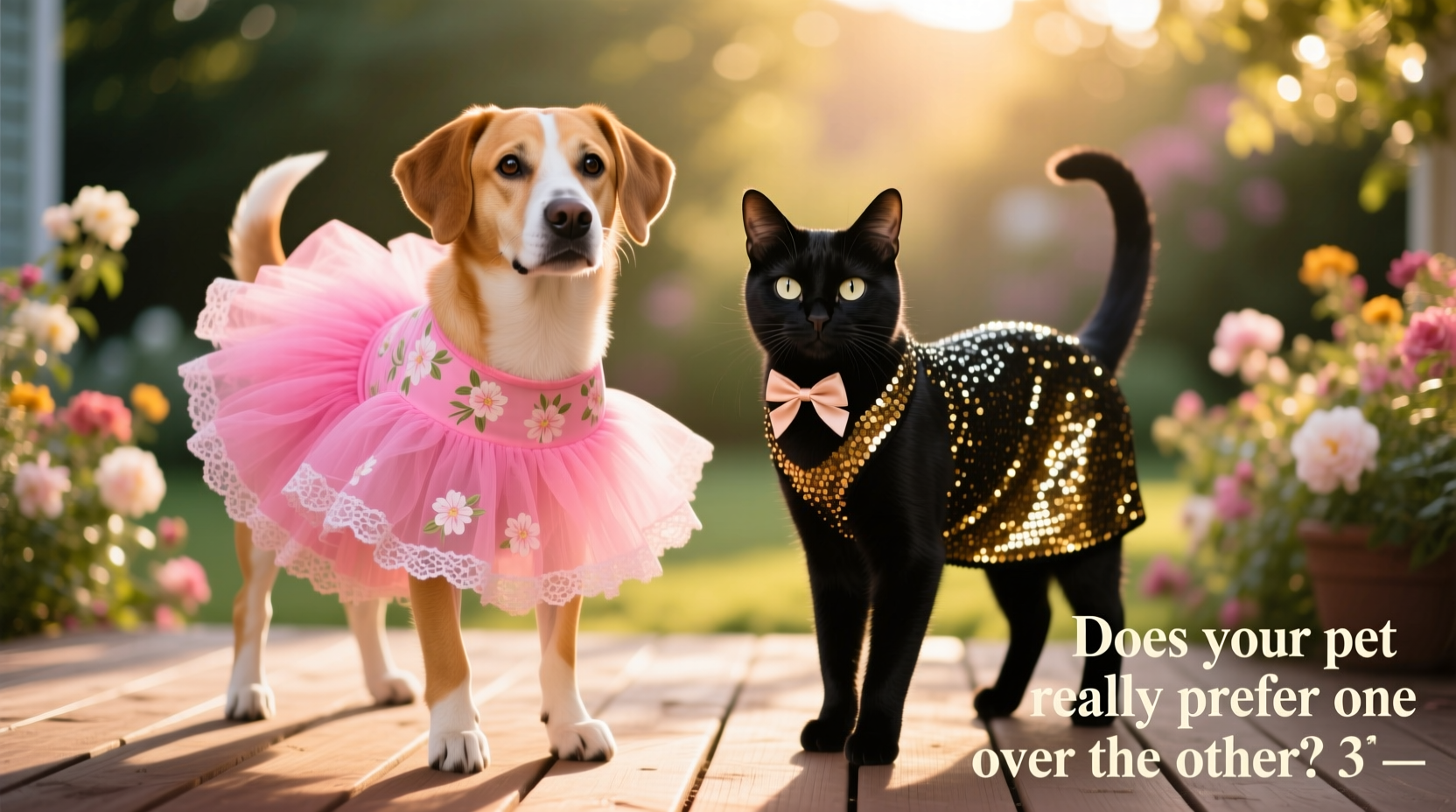
While both dog tutu dresses and cat dresses often feature tulle skirts, bows, and pastel colors, their structural design diverges significantly due to anatomy and movement patterns.
| Feature | Dog Tutu Dress | Cat Dress |
|---|---|---|
| Fit & Cut | Looser around chest; longer torso coverage | Slimmer cut; shorter body length |
| Neckline | Wider collar or off-the-shoulder style | Tighter, snug neckband to prevent slipping |
| Tulle Volume | Bulkier skirts, multiple layers | Lighter, fewer layers for agility |
| Attachment Method | Velcro or snap closures under belly | Elastic straps or adjustable bands |
| Mobility Impact | Minimal if properly fitted | Higher restriction risk due to skittishness |
The larger size and sturdier build of most dogs allow for more elaborate designs without compromising basic function. Cats, being more agile and sensitive to tactile stimuli, require minimalist construction that avoids hindering jumping or grooming behaviors.
Tip: Always check that your pet can move freely, groom themselves, and sit comfortably before finalizing any outfit choice.Behavioral Reactions: What Pets Communicate Through Body Language
A pet doesn’t verbally say “I hate this dress,” but they communicate clearly through posture, vocalization, and actions. Understanding species-specific signals is crucial when assessing comfort.
Dogs may show tolerance even when uncomfortable. Signs of distress include:
- Excessive licking or chewing at the garment
- Lowered tail, tucked ears, or avoiding eye contact
- Refusing to walk or lying down frequently
- Shaking or trembling despite warm temperatures
Cats, in contrast, react more immediately and intensely. Common signs of discomfort include:
- Hissing, growling, or swatting at the owner
- Attempting to flee or hide
- Freezing in place (a fear response)
- Over-grooming or frantically trying to remove the item
“Cats are highly sensitive to changes in their physical environment. Even minor alterations like clothing can trigger stress responses linked to predator avoidance instincts.” — Dr. Lena Torres, Feline Behavior Specialist, Animal Wellness Institute
Step-by-Step Guide: Introducing Clothing Safely to Your Pet
Whether you’re using a dog tutu dress or a cat dress, gradual acclimation increases acceptance and reduces anxiety. Follow this timeline:
- Day 1–2: Place the garment near your pet during feeding time. Let them sniff and investigate without pressure.
- Day 3–4: Drape the dress loosely over their back for 30 seconds. Immediately reward with treats and praise.
- Day 5–6: Fasten the dress briefly (no more than 1 minute). Monitor closely for signs of distress.
- Day 7: Extend wear time to 5 minutes in a familiar, calm environment.
- Day 8+: Use only if your pet shows neutral or positive reactions. Never force prolonged use.
If your pet resists after Day 6, discontinue use. Forced dressing undermines trust and may lead to long-term aversion.
Mini Case Study: Bella the Poodle vs Oliver the Maine Coon
Bella, a 3-year-old standard poodle, wears her pink tutu dress during weekly agility classes and birthday events. Her owner, Sarah, introduced the dress gradually over ten days, pairing each step with high-value treats. Today, Bella wags her tail when she sees the tutu bag and stands still for dressing.
In contrast, Oliver, a 4-year-old Maine Coon, reacted aggressively when his owner attempted to put on a lavender cat dress for a photoshoot. He arched his back, hissed, and hid under the bed for two hours. After consulting a behaviorist, the owner switched to a soft embroidered collar instead—Oliver tolerated it instantly.
This comparison illustrates that individual temperament matters more than species alone—but overall, dogs tend to adapt better to clothing due to their history of domestication and social training.
Fabric and Fit: Why Material Matters More Than Style
The fabric composition of a tutu dress or cat dress plays a critical role in comfort and safety. Synthetic tulle, while visually appealing, can cause overheating and static buildup—particularly problematic for cats who groom frequently.
Natural fibers like cotton blends offer breathability and reduced irritation. Elastic bands should stretch without digging into skin, and seams must be flat to avoid chafing.
Tip: Wash new pet garments before first use to remove chemical residues from manufacturing.Frequently Asked Questions
Can cats safely wear tutu-style dresses?
Some cats tolerate lightweight versions for short durations, but most find them stressful. Avoid anything that restricts movement or covers the tail, which cats use for balance and communication.
Are dog tutu dresses practical or purely decorative?
Most are decorative. However, some therapeutic versions incorporate calming compression elements or reflective materials for visibility. Always prioritize function over fashion.
How long is safe for a pet to wear a dress?
No pet should wear clothing unattended or for more than 15–20 minutes at a time. Supervision is essential to prevent entanglement, chewing, or overheating.
Checklist: Choosing the Right Dress for Your Pet
- ✅ Measure your pet accurately (neck, chest, length)
- ✅ Choose breathable, non-static fabric
- ✅ Ensure full range of motion (sitting, walking, turning)
- ✅ Avoid loose ribbons or small detachable parts
- ✅ Test in short intervals with supervision
- ✅ Respect your pet’s reaction—even subtle discomfort means “no”
“Dressing pets isn't inherently harmful, but it becomes unethical when we prioritize human amusement over animal well-being.” — Dr. Marcus Reed, Veterinarian & Animal Ethics Advocate
Final Thoughts: Preference Is Rooted in Comfort, Not Species
So, do dogs prefer tutu dresses over cats? Not exactly. The difference lies not in preference but in tolerance shaped by biology, upbringing, and personality. Dogs, bred for cooperation and obedience, often accept clothing as part of routine interaction. Cats, evolved as independent hunters, perceive restrictive fabrics as threats to autonomy and safety.
Rather than assuming all pets enjoy dressing up—or pushing trends because they're popular—it's time to shift focus toward informed, empathetic choices. Ask not “Does my pet look cute?” but “Does my pet feel safe?”
The most stylish accessory your pet can wear is confidence. If they walk tall, purr, or wag happily in their outfit—great. If they cower, freeze, or flee, the answer is clear.
💬 Have you noticed a clear difference in how your dog and cat respond to clothing? Share your experience below—we’d love to hear what works (and what doesn’t) in real homes.








