Dog scooting—when a canine drags its rear across the floor—is more than just an odd behavior. It’s often a clear signal that something is bothering your pet. While it may seem harmless or even amusing at first, persistent scooting can indicate underlying health issues ranging from minor irritations to serious medical conditions. Understanding the root causes, knowing how to respond, and implementing preventive strategies are essential for every dog owner.
Why Do Dogs Scoot?
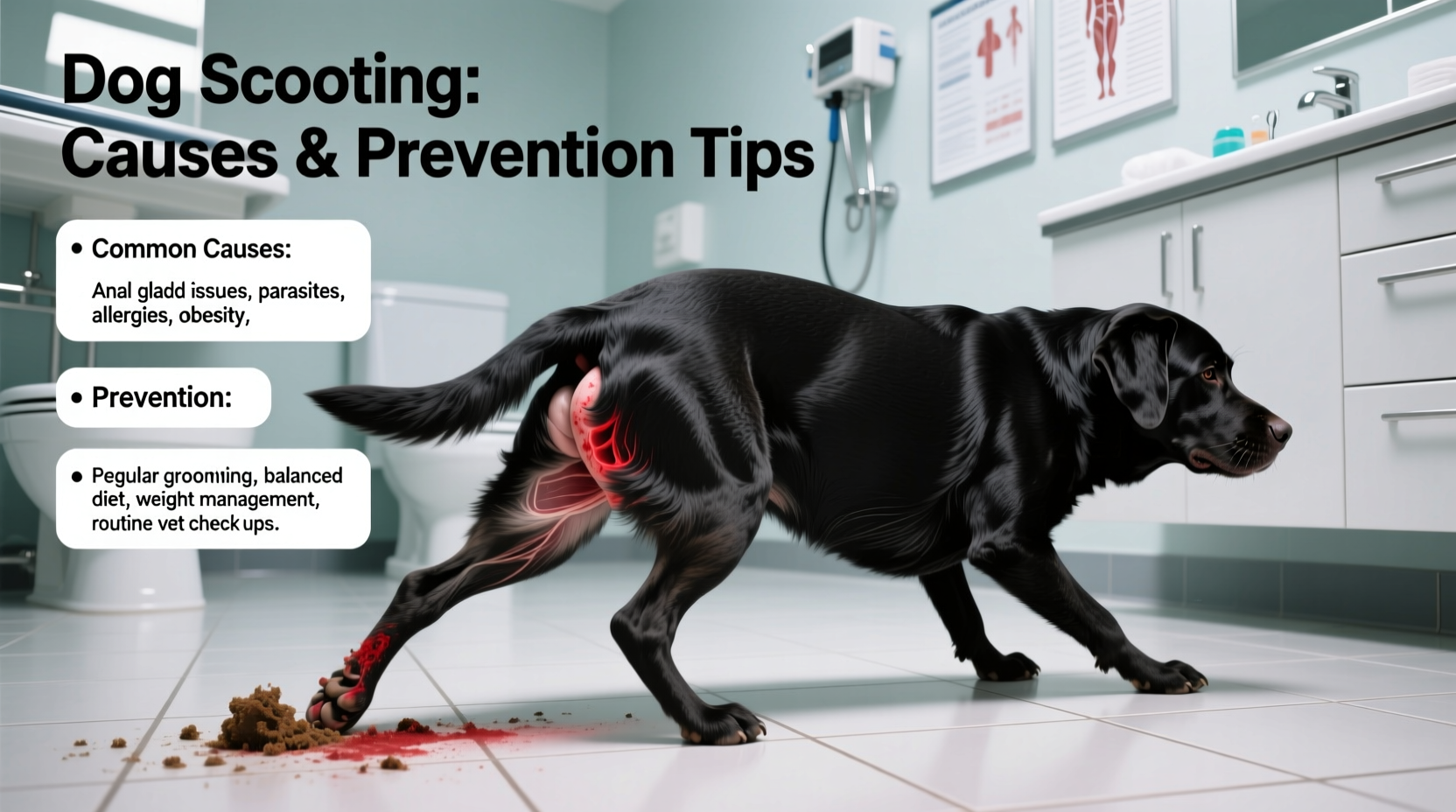
Scooting typically occurs when a dog feels discomfort in the anal area. The most common reason is impacted or inflamed anal glands, but other culprits include parasites, infections, allergies, or even residual fecal matter stuck in the fur. Dogs lack the ability to scratch this area directly, so dragging their behinds becomes a way to relieve itching, pain, or pressure.
While occasional scooting after defecation might be normal, frequent or forceful dragging should never be ignored. Left untreated, some causes can lead to abscesses, chronic skin irritation, or systemic infection.
Tip: Check your dog’s rear end weekly during grooming sessions to detect swelling, redness, or foul odor early.Common Causes of Dog Scooting
Understanding what triggers scooting helps you take appropriate action. Below are the primary reasons dogs engage in this behavior:
- Anal Gland Issues: Anal sacs located on either side of the anus produce a foul-smelling fluid normally expressed during bowel movements. When these glands become blocked, infected, or impacted, they cause significant discomfort.
- Intestinal Parasites: Tapeworms, roundworms, and pinworms can cause intense itching around the anus, especially in puppies or dogs with poor parasite control.
- Skin Infections or Allergies: Bacterial or yeast infections, as well as environmental or food allergies, can lead to inflammation and itchiness near the tail base.
- Constipation or Diarrhea: Both extremes can leave residue or cause irritation, prompting scooting to alleviate discomfort.
- Perianal Fistulas: A painful condition more common in German Shepherds, involving deep sores around the anus.
- Obesity: Overweight dogs may struggle to clean themselves properly, increasing the risk of fecal buildup and irritation.
“Persistent scooting is rarely behavioral—it's almost always a sign of physical discomfort. Owners should treat it as a symptom, not a quirk.” — Dr. Lena Torres, DVM, Veterinary Dermatology Specialist
Treatment Options Based on Cause
Treatment depends entirely on identifying the underlying issue. Never attempt to express your dog’s anal glands without proper training, as improper technique can cause injury or worsen inflammation.
Step-by-Step Guide to Addressing Scooting
- Observe Frequency and Context: Note whether scooting happens after eating, defecating, or randomly throughout the day.
- Inspect the Area: Look for redness, swelling, discharge, or visible worms near the anus.
- Check for Worms: If you see small, rice-like segments in feces or around the rectum, suspect tapeworms.
- Contact Your Veterinarian: Schedule an exam. The vet will likely perform a rectal check to assess gland health and may request a fecal test.
- Follow Prescribed Treatment: This could include manual expression, antibiotics, anti-parasitics, or allergy management.
In cases of chronic anal gland issues, some veterinarians recommend dietary changes or even surgical removal (anal sacculectomy) as a last resort, particularly if recurrent infections occur.
Prevention Tips for Long-Term Comfort
Preventing scooting involves proactive care and lifestyle adjustments. Here are several evidence-based strategies to reduce the likelihood of recurrence:
Tip: Adding fiber (like pumpkin puree) to your dog’s diet can help firm stools, promoting natural gland expression.Dietary Adjustments
Firm stools apply pressure on the anal glands during defecation, aiding natural emptying. Low-residue or soft diets may contribute to incomplete expression. Consider high-fiber commercial foods or supplements like psyllium husk under veterinary guidance.
Regular Grooming
Keep the area around the anus clean and trimmed, especially in long-haired breeds. Matted hair traps moisture and feces, creating an ideal environment for bacteria and irritation.
Parasite Prevention
Stick to a consistent deworming and flea control schedule. Fleas are intermediate hosts for tapeworms, so eliminating fleas breaks the transmission cycle.
Weight Management
Overweight dogs are less able to groom themselves effectively. Maintaining a healthy weight improves mobility and hygiene.
Veterinary Checkups
Bimonthly wellness exams allow early detection of gland issues before symptoms appear. Some dogs benefit from routine professional expression every 4–8 weeks.
Do’s and Don’ts: Anal Health Checklist
| Do’s | Don’ts |
|---|---|
| Monitor your dog’s bathroom habits regularly | Ignore repeated scooting episodes |
| Feed a balanced, fiber-rich diet | Use human wipes or harsh cleaners on sensitive areas |
| Schedule regular vet visits for preventive care | Attempt to express glands without training |
| Keep rear fur clipped and clean | Delay treatment due to embarrassment or inconvenience |
| Administer dewormers as recommended | Assume scooting is “normal” for your breed |
Real-Life Example: Max the Beagle
Max, a three-year-old beagle, began scooting frequently after meals. His owner initially dismissed it as quirky behavior. After two weeks of worsening symptoms—including licking, restlessness, and a foul smell—Max was taken to the vet. Examination revealed severely impacted anal glands and a mild tapeworm infestation. The vet expressed the glands, prescribed praziquantel for worms, and recommended a high-fiber diet. Within ten days, Max stopped scooting entirely. His owner now schedules bi-monthly vet checks and adds canned pumpkin to his food daily as a preventive measure.
Frequently Asked Questions
How can I tell if my dog has anal gland problems?
Signs include frequent scooting, excessive licking of the anal area, swelling near the anus, a strong fishy odor, or difficulty defecating. Some dogs may also show signs of pain when sitting.
Can I express my dog’s anal glands at home?
It’s possible with proper training, but incorrect technique can cause trauma or infection. Most vets recommend leaving it to professionals unless you’ve been shown the correct method. If you choose to do it at home, wear gloves and have cleaning supplies ready.
Is scooting a sign of worms?
Yes, especially tapeworms. These parasites cause intense anal itching as segments migrate out of the body. You may see small, white, rice-like pieces in your dog’s feces or bedding. Deworming medication is highly effective, but flea control is crucial to prevent reinfection.
Conclusion: Take Scooting Seriously
Dog scooting is not just a funny habit—it’s a communication tool your pet uses to signal distress. Whether it’s clogged glands, parasites, or allergies, addressing the cause promptly prevents complications and enhances your dog’s quality of life. With consistent hygiene, proper nutrition, and regular veterinary oversight, most scooting issues are manageable and often preventable.
💬 Has your dog experienced scooting? What worked for you? Share your story in the comments to help fellow pet owners recognize and respond to this common yet misunderstood behavior.








