Redness in a dog’s eye is more than just a cosmetic concern—it can signal anything from mild irritation to serious medical conditions. As a pet owner, noticing bloodshot eyes in your dog may prompt immediate worry, especially if it's accompanied by discomfort or behavioral changes. While some cases resolve on their own, others require prompt veterinary intervention to prevent complications like vision loss or chronic pain. Understanding the underlying causes, recognizing warning signs, and knowing when to act can make all the difference in your dog’s recovery and long-term eye health.
Common Causes of Red Eyes in Dogs
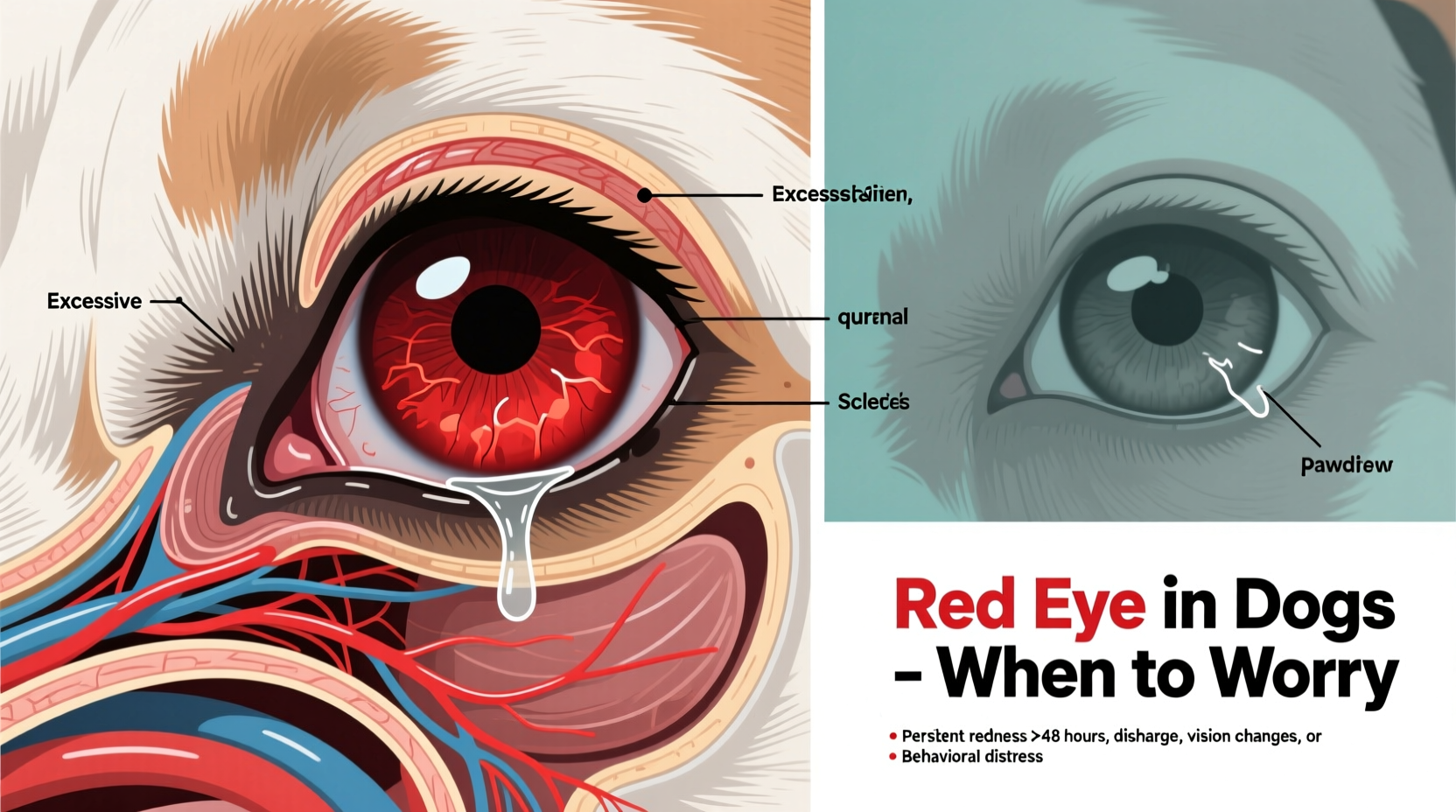
Dog red eye—medically referred to as ocular hyperemia—is caused by inflammation or dilation of blood vessels in the eye. This can stem from a variety of sources, ranging from environmental irritants to systemic diseases. Some of the most frequent causes include:
- Conjunctivitis: Also known as “pink eye,” this inflammation of the conjunctiva is often due to allergies, bacterial or viral infections, or foreign bodies.
- Dry Eye (Keratoconjunctivitis Sicca): A condition where tear production is insufficient, leading to dryness, irritation, and secondary redness.
- Corneal Ulcers: Scratches or abrasions on the surface of the eye, often resulting from trauma or entropion (inward rolling of the eyelid).
- Glaucoma: Increased pressure within the eye damages the optic nerve and can lead to blindness if untreated.
- Uveitis: Inflammation of the inner layers of the eye, which may be linked to infections, autoimmune disorders, or trauma.
- Allergies: Pollen, dust, or food allergens can trigger ocular irritation and redness.
- Foreign Objects: Grass seeds, dirt, or debris trapped under the eyelid can cause significant irritation.
Symptoms That Accompany Red Eyes
Redness alone isn’t always alarming, but when combined with other clinical signs, it becomes a stronger indicator of an underlying issue. Watch for these symptoms:
- Excessive blinking or squinting (blepharospasm)
- Watery or thick, yellow-green discharge
- Pawing or rubbing at the eye
- Cloudiness or change in eye color
- Swelling of the eyelids or third eyelid protrusion
- Visible sensitivity to light (photophobia)
- Changes in behavior such as lethargy or irritability
In cases of glaucoma, you might also notice a bulging appearance of the eye, while uveitis can present with a constricted pupil and deep-seated pain. Corneal ulcers often cause intense discomfort despite appearing minor to the untrained eye.
“Any persistent redness, especially with squinting or cloudiness, should be evaluated by a veterinarian within 24 hours. Delayed treatment can result in irreversible damage.” — Dr. Lena Reyes, Veterinary Ophthalmologist
When to Worry: Red Flags Requiring Immediate Care
Not every red eye demands emergency attention, but certain signs indicate urgent medical evaluation is necessary. These are situations where waiting could compromise your dog’s vision or overall comfort.
Emergency Warning Signs
| Symptom | Potential Condition | Action Required |
|---|---|---|
| Sudden bulging of the eye | Acute glaucoma | Seek emergency vet care immediately |
| Cloudy or blue-tinged cornea | Corneal ulcer or uveitis | Veterinary exam within 12–24 hours |
| Pupil not reacting to light | Neurological or ocular trauma | Immediate diagnostic evaluation |
| Bleeding inside the eye | Hyphema (trauma or clotting disorder) | Urgent assessment needed |
| Dog avoids touch near the face | Severe pain from ulcer or infection | Do not delay consultation |
Time is critical. Conditions like glaucoma can lead to permanent blindness within hours if intraocular pressure remains high. Similarly, untreated corneal ulcers may deepen and perforate the eye.
Step-by-Step: What to Do If Your Dog Has a Red Eye
If you notice redness in your dog’s eye, follow this practical timeline to ensure proper care without causing further harm.
- Stay Calm and Observe: Gently examine the eye in good lighting. Note any discharge, swelling, or obvious foreign objects.
- Prevent Rubbing: Use an Elizabethan collar (cone) if your dog is pawing at the eye to avoid self-inflicted injury.
- Rinse Gently (If Appropriate): Flush the eye with sterile saline solution only if there’s visible debris and no open wound or ulcer.
- Avoid Over-the-Counter Medications: Never apply human eye drops unless directed by a vet—they may worsen certain conditions.
- Contact Your Veterinarian: Describe symptoms clearly and schedule an appointment promptly, especially if red flags are present.
- Prepare for the Visit: Bring notes on when symptoms started, recent injuries, or exposure to irritants.
Mini Case Study: Max the Beagle’s Sudden Eye Issue
Max, a 4-year-old Beagle, began squinting one morning after returning from a walk through tall grass. His owner noticed his left eye was bright red with watery discharge. Initially assuming it was pollen irritation, she rinsed it with saline. But by evening, Max refused to open the eye and became unusually withdrawn.
He was taken to an emergency clinic, where a fluorescein stain test revealed a deep corneal ulcer caused by a grass awn that had migrated under the third eyelid. The foreign body was removed under sedation, and Max was prescribed antibiotic ointment and oral pain medication. With strict rest and follow-up care, he recovered fully in two weeks.
This case highlights how seemingly minor redness can mask serious problems—and why early professional diagnosis is crucial.
Prevention and Long-Term Eye Health
While not all causes of red eyes are preventable, proactive care can reduce risks significantly, especially in breeds prone to ocular issues like Pugs, Shih Tzus, and Cocker Spaniels.
Daily and Weekly Prevention Checklist
- Inspect eyes daily for redness, discharge, or cloudiness
- Wipe away debris with a damp, clean cloth
- Trim hair around the eyes to prevent irritation
- Use protective goggles during car rides or dusty environments
- Administer prescribed medications consistently for chronic conditions like dry eye
- Schedule annual eye exams, especially for senior dogs
For dogs with recurring issues, consider environmental adjustments such as air purifiers to reduce allergens or avoiding areas with thorny vegetation during walks.
Frequently Asked Questions
Can I use human eye drops for my dog’s red eye?
No. Many human eye drops contain vasoconstrictors or preservatives that can harm dogs. Only use medications prescribed or approved by your veterinarian.
Is red eye contagious between dogs?
Some forms, like bacterial or viral conjunctivitis, can be contagious. Isolate affected dogs and disinfect shared items like bedding and bowls until diagnosed.
How much does treating a dog’s red eye cost?
Costs vary widely: a basic conjunctivitis visit may cost $100–$200, while glaucoma or surgery can exceed $1,000. Pet insurance often covers such treatments if pre-existing conditions are excluded.
Conclusion: Act Early, Protect Vision
Red eyes in dogs should never be ignored—even if symptoms seem mild at first. The eye is a delicate organ, and conditions can deteriorate rapidly without visible warning. By learning the signs, responding promptly, and partnering with your veterinarian, you can safeguard your dog’s vision and comfort. Routine observation, preventive care, and timely action form the foundation of lifelong ocular health. Don’t wait for symptoms to worsen. When in doubt, seek professional advice—the clarity of your dog’s eyesight may depend on it.
💬 Have you dealt with a dog’s red eye? Share your experience or questions below to help other pet owners stay informed and prepared.








