
Every dog owner knows the joy of seeing their pup light up at the sight of a new toy. But not all toys are created equal—especially when it comes to plushies versus chew toys. While both have their place in a dog’s toy box, choosing the right one can mean the difference between hours of safe fun and an unexpected trip to the vet. Understanding your dog’s breed, age, chewing habits, and play style is essential to making the best choice.
The debate isn’t about declaring one toy type superior overall—it’s about matching the toy to your dog’s unique needs. A toy that delights one pup might be destroyed—or worse, ingested—by another. This guide breaks down the benefits, risks, and ideal use cases for plush and chew toys, helping you make informed decisions that support your dog’s happiness and long-term safety.
Understanding Plush Toys: Comfort or Choking Hazard?
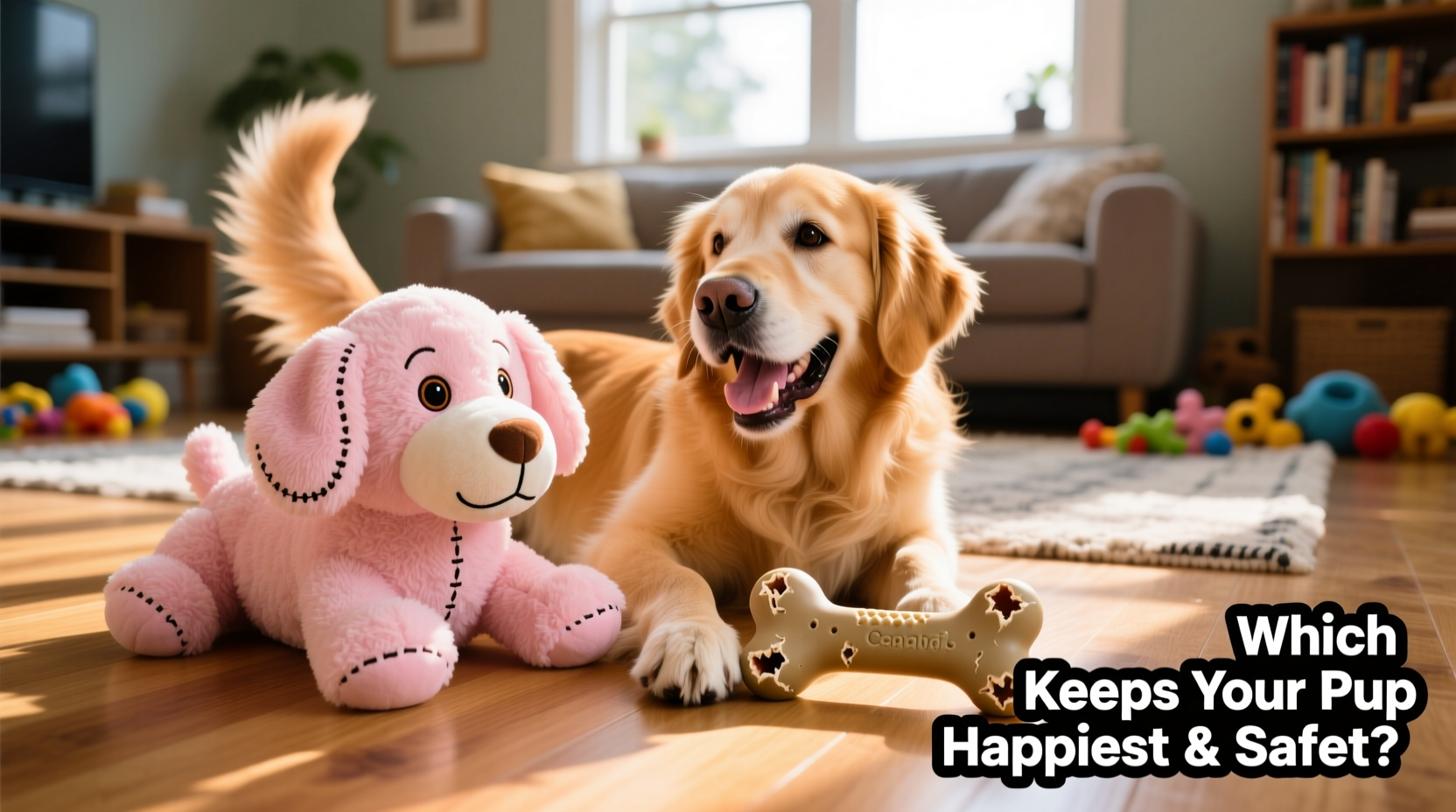
Plush toys often resemble stuffed animals and are typically made from soft fabrics like polyester, fleece, or cotton. They come in various shapes—squirrels, dinosaurs, squeaky frogs—and many include internal squeakers that trigger a dog’s prey drive. These toys are especially appealing to dogs who enjoy carrying, cuddling, or “hunting” their playthings.
For gentle players or dogs with nurturing instincts, plush toys can provide emotional comfort and mental stimulation. Herding breeds like Border Collies or smaller companions such as Cavalier King Charles Spaniels may treat plush toys like surrogate puppies, carrying them around or tucking them into beds.
Tip: Supervise your dog during plush toy play, especially if they tend to pull out stuffing or chew seams.However, the soft construction of plush toys makes them vulnerable to rapid destruction. Once a dog tears open the seam, they can ingest stuffing, squeakers, or plastic eyes—leading to intestinal blockages. According to the American Veterinary Medical Association (AVMA), foreign body ingestion is one of the most common causes of emergency surgery in dogs, and poorly constructed plush toys are frequent culprits.
Chew Toys: Built for Durability and Dental Health
Chew toys are designed to withstand aggressive gnawing. Made from rubber, nylon, or reinforced polymers, they’re ideal for power chewers like Pit Bulls, German Shepherds, or Labradors. Brands like Kong, Nylabone, and West Paw produce durable options that resist shredding and support healthy teeth and gums.
Beyond durability, chew toys offer functional benefits. Chewing helps reduce plaque buildup, satisfies natural gnawing instincts, and provides stress relief. Many chew toys can be filled with treats or peanut butter, turning solo play into an engaging puzzle that slows down eating and prevents boredom.
Still, not all chew toys are safe. Some contain harmful chemicals like phthalates or BPA. Others are too hard—potentially causing tooth fractures. Veterinarian Dr. Karen Becker warns,
“A toy should give slightly under pressure. If it’s harder than your dog’s tooth, it’s too rigid.”
Comparing Plush vs Chew Toys: Key Differences at a Glance
| Feature | Plush Toys | Chew Toys |
|---|---|---|
| Durability | Low – easily torn apart | High – built for strong chewers |
| Safety Risk | Higher – risk of ingestion | Lower – if appropriately sized and non-toxic |
| Mental Stimulation | Moderate – squeakers add engagement | High – especially treat-dispensing types |
| Dental Benefits | None | Yes – reduces plaque and gum disease |
| Best For | Gentle players, comfort seekers | Aggressive chewers, high-energy dogs |
Real-World Example: Max the Labrador’s Toy Journey
Max, a three-year-old Labrador Retriever, loved his plush duck with the loud squeaker. His owner, Sarah, noticed he’d carry it everywhere—until one morning when Max began vomiting and refused food. An X-ray revealed a small plastic squeaker lodged in his intestine. The surgery cost over $2,000 and required two weeks of recovery.
After consulting her vet, Sarah switched to ultra-durable chew toys. She introduced a Kong Classic filled with frozen banana and yogurt. Not only did Max stop destroying household items, but his anxiety during thunderstorms decreased significantly. “I didn’t realize how much mental relief chewing could provide,” Sarah said. “Now I only allow plush toys under direct supervision—and only ones without removable parts.”
How to Choose the Right Toy: A Step-by-Step Guide
- Assess your dog’s chewing strength. Does your dog gently mouth toys or destroy tennis balls in minutes? Power chewers need rubber or nylon.
- Consider age and size. Puppies need softer chew options for developing teeth; seniors may prefer plush for comfort.
- Check for safety features. Avoid small parts, toxic materials, or weak stitching. Look for labels indicating non-toxic, BPA-free construction.
- Match toy type to behavior. Is your dog possessive? Avoid plush with squeakers that may encourage guarding. Does your dog suffer from separation anxiety? A treat-filled chew toy may help.
- Rotate toys weekly. Introducing variety prevents boredom and extends the life of each toy.
Essential Checklist Before Buying Any Dog Toy
- ✅ Non-toxic materials (rubber, food-grade nylon)
- ✅ Appropriate size (too small = choking hazard)
- ✅ No loose parts (eyes, squeakers, ribbons)
- ✅ Easy to clean (dishwasher-safe or wipeable)
- ✅ Matches your dog’s energy level and chewing habit
- ✅ Vet-recommended or tested by independent labs
Frequently Asked Questions
Can dogs safely play with plush toys unsupervised?
No. Most plush toys contain components that can be swallowed if the dog tears them open. Only allow unsupervised access if the plush is specifically labeled “indestructible” and has no internal parts.
Are chew toys better for puppies?
Yes, especially during teething. Soft rubber chew toys like the Kong Puppy or Benebone Puppy Teether soothe sore gums and redirect biting away from furniture and shoes.
How often should I replace dog toys?
Inspect toys weekly. Replace any with frayed edges, cracks, or missing pieces. Plush toys should be retired at the first sign of tearing. Chew toys last longer but degrade over time—typically 3–6 months with daily use.
Striking the Right Balance for Long-Term Happiness
The goal isn’t to eliminate plush toys or rely solely on chewables—it’s to create a balanced toy rotation that meets your dog’s physical, emotional, and behavioral needs. A well-rounded approach includes:
- A few supervised plush toys for comfort and interactive play
- Durable chew toys for solo downtime and dental health
- Puzzle toys that combine chewing and problem-solving
Many trainers recommend the “three-category rule”: have at least one toy for chewing, one for fetching, and one for cuddling. Rotate them every few days to maintain novelty and prevent destructive behavior born of boredom.
“The best toy is the one that matches the dog, not the trend. Safety always comes before cuteness.” — Dr. Ian Dunbar, Veterinarian and Dog Behavior Specialist
Final Thoughts: Prioritize Safety Without Sacrificing Joy
Your dog’s happiness depends on more than just toys—it’s about engagement, safety, and understanding their instincts. Plush toys can bring comfort and joy, but they require vigilance. Chew toys promote health and resilience but must be chosen carefully to avoid injury.
Start by observing how your dog plays. Do they shred, carry, or toss their toys? Use that insight to build a toy collection that supports their natural behaviors while minimizing risk. When in doubt, consult your veterinarian or a certified canine trainer.
💬 What’s your dog’s favorite toy—and what lessons have you learned the hard way? Share your story below to help fellow pet owners make smarter, safer choices.








