Dog fashion has evolved from simple utility to full-on lifestyle branding. Among the latest accessories gaining popularity are dog pearl necklaces—elegant, eye-catching, and undeniably Instagram-worthy. But beneath the sparkle lies an important question: Are these ornamental collars genuinely safe for dogs, or are they merely a fleeting trend prioritizing aesthetics over animal well-being? When compared to the classic plain collar, which has stood the test of time for functionality and comfort, how do pearl-studded options measure up in terms of safety, practicality, and long-term use?
This article examines the rise of decorative dog jewelry, evaluates potential risks and benefits, and provides a balanced comparison between fashionable pearl necklaces and traditional plain collars. Whether you're a devoted pet parent who loves styling your pup or someone focused solely on function, understanding the implications of each choice is essential.
The Allure of Dog Pearl Necklaces
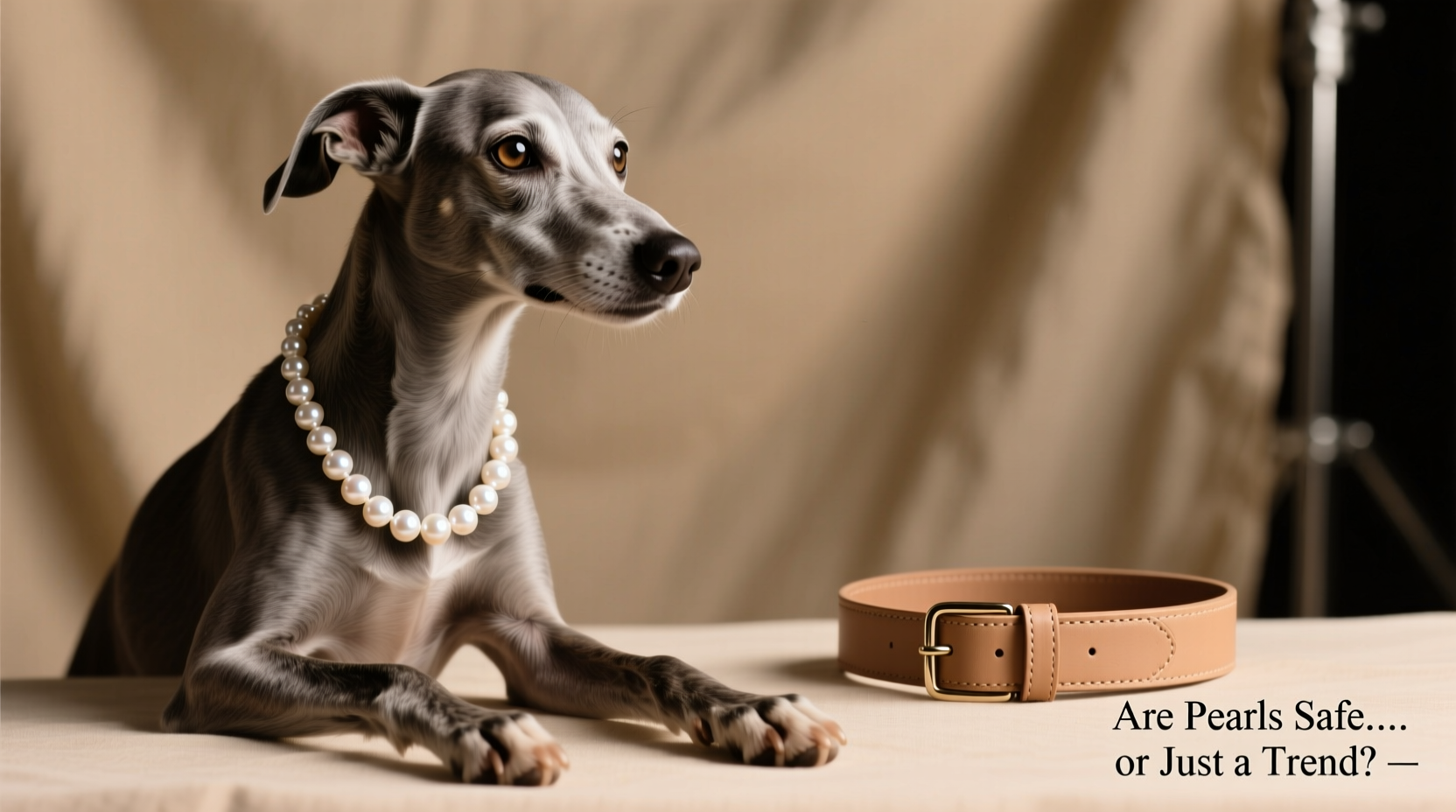
Pearl necklaces for dogs have surged in popularity thanks to social media influencers, celebrity pets, and luxury pet brands. Often made with faux pearls, rhinestones, or even genuine freshwater pearls strung on durable chains or silk cords, these accessories are marketed as elegant upgrades to standard collars. They’re commonly seen at pet photoshoots, weddings, or high-end boutique events.
Many owners view them as harmless expressions of love and style—after all, if humans can wear jewelry, why not dogs? However, unlike human fashion, canine accessories must consider behavior, anatomy, and safety first. Dogs don’t understand aesthetics; they experience the physical sensation of what’s around their necks.
Tip: If using a pearl necklace purely for photos, limit wear time to 15–20 minutes and supervise closely.Safety Concerns: What Veterinarians Say
While occasional decorative use may seem low-risk, veterinary professionals urge caution. Dr. Lena Patel, DVM, and animal behavior specialist, explains:
“Anything that isn’t designed for active wear poses a risk. A dog can catch a dangling pearl on furniture, get tangled during play, or even chew and swallow parts. Even non-toxic materials can cause intestinal blockages.”
The primary concerns with pearl necklaces include:
- Choking hazard: Loose beads or broken strings can be ingested.
- Entanglement: Long or dangling designs may snag on fences, door handles, or toys.
- Neck strain: Heavy embellishments can pull unevenly on a dog’s neck, especially in smaller breeds.
- Allergic reactions: Some synthetic coatings or metals may irritate sensitive skin.
In contrast, plain collars—typically made from nylon, leather, or biothane—are engineered for durability, adjustability, and minimal irritation. They distribute pressure evenly and are less likely to break or snag.
Functional Comparison: Pearl Necklace vs Plain Collar
To better understand the trade-offs, here's a detailed breakdown of key factors:
| Feature | Pearl Necklace (Decorative) | Plain Collar (Functional) |
|---|---|---|
| Primary Use | Fashion, photo sessions | Daily wear, ID tags, leash attachment |
| MATERIAL | Silk, plastic, metal chains, faux pearls | Nylon, leather, biothane, polyester |
| Durability | Low to moderate — prone to breakage | High — built for daily stress |
| Safety | Risk of entanglement, ingestion | Minimal risk when properly fitted |
| Comfort | Variable — may rub or pull | Consistently comfortable with proper fit |
| Cleaning & Maintenance | Delicate — often hand-wash only | Easy — machine washable or wipe-clean |
| Price Range | $25–$120+ | $10–$40 |
The data shows a clear divide: pearl necklaces excel in visual appeal but fall short in reliability and safety for everyday use. Plain collars, while less glamorous, are purpose-built for real-world conditions.
When (and How) to Use a Dog Pearl Necklace Safely
This doesn’t mean pearl necklaces have no place in responsible pet ownership. With careful handling, they can be used without compromising safety. The key is treating them like costume jewelry—not functional gear.
- Limited Wear Time: Use only during supervised events or photos, never overnight or when unsupervised.
- Proper Fit: Ensure it’s snug but not tight—two fingers should fit underneath.
- No Leash Attachment: Never clip a leash to a decorative necklace. Always use a separate harness or plain collar for walking.
- Inspect Regularly: Check for loose beads, frayed threads, or sharp edges before each use.
- Breed Consideration: Avoid for puppies, aggressive chewers, or escape artists.
Mini Case Study: Bella the Pomeranian’s Photoshoot Mishap
Bella, a 4-year-old Pomeranian, wore a beaded pearl necklace during a birthday photoshoot. Midway through, she jumped off the couch and the necklace caught on the armrest. The string snapped, scattering small beads across the floor. While no injury occurred, two beads were later found missing—likely swallowed. Her owner, now more cautious, uses only solid, seamless jewelry pieces under direct supervision and always pairs them with her regular collar.
This common scenario illustrates how quickly accidents can happen—even in controlled environments.
Expert Consensus: Form Should Follow Function
Animal trainers and veterinarians consistently emphasize that any item placed on a dog should prioritize health and behavior over appearance. Sarah Kim, certified canine behaviorist, notes:
“Dogs communicate through body language, and discomfort from ill-fitting or irritating accessories can lead to stress signals like licking, scratching, or avoidance. Fashion shouldn’t override function when it comes to pet gear.” — Sarah Kim, CBCC-KA
This doesn’t dismiss the emotional value owners derive from dressing their pets. Rather, it calls for mindful choices—understanding that a dog’s comfort and safety should never be compromised for a viral post.
Checklist: Is Your Dog’s Necklace Safe?
Before putting any decorative accessory on your dog, ask yourself:
- ✅ Is the dog supervised at all times while wearing it?
- ✅ Can the dog breathe and move freely without restriction?
- ✅ Are there no loose, small, or detachable parts?
- ✅ Is the material non-toxic and hypoallergenic?
- ✅ Am I using a separate, sturdy collar or harness for ID tags and leashing?
- ✅ Has my dog shown any signs of trying to scratch or remove it?
If you answered “no” to any of these, reconsider the accessory’s suitability.
Frequently Asked Questions
Can dogs wear pearl necklaces every day?
No. Daily wear increases the risk of damage, ingestion, or entanglement. Pearl necklaces are best reserved for special occasions with close supervision.
Are fake pearls safer than real ones for dogs?
Not necessarily. Safety depends more on construction than material. Both fake and real pearls can pose choking hazards if they come loose. The mounting method and string strength matter most.
What’s a safer alternative to a pearl necklace?
Consider collars with subtle shimmer accents, embroidered details, or charm-free bling that’s securely embedded. Some brands offer “fashion-forward” collars with reinforced stitching and breakaway clasps designed for light decoration without risk.
Conclusion: Style with Responsibility
Dog pearl necklaces aren’t inherently dangerous—but they are inherently limited. They belong in the category of temporary accessories, not essential pet gear. When weighed against the practicality, safety, and comfort of a plain collar, the decision becomes clear: function must come first.
There’s nothing wrong with wanting your dog to look adorable. But true care means balancing cuteness with caution. By reserving pearl necklaces for brief, supervised moments and relying on trusted plain collars for daily life, you honor both your dog’s well-being and your bond with them.
💬 Have you used a pearl necklace on your dog? Share your experience—what worked, what didn’t—and help other pet owners make informed, compassionate choices.








