
Winter brings cozy nights, hot cocoa, and for many pet owners, a wardrobe dilemma: should your dog wear a onesie indoors or bundle up in a winter coat outdoors? With an increasing number of stylish dog outfits flooding the market, it’s easy to wonder whether these items are essential or just fashion statements. The truth lies somewhere in between — and depends heavily on your dog’s breed, age, health, and environment.
While some dogs thrive in freezing temperatures with their natural fur coats, others shiver at the first snowflake. Understanding when and why your dog might benefit from extra layers can prevent discomfort, illness, and unnecessary spending on trendy but impractical gear.
Understanding Your Dog’s Natural Insulation
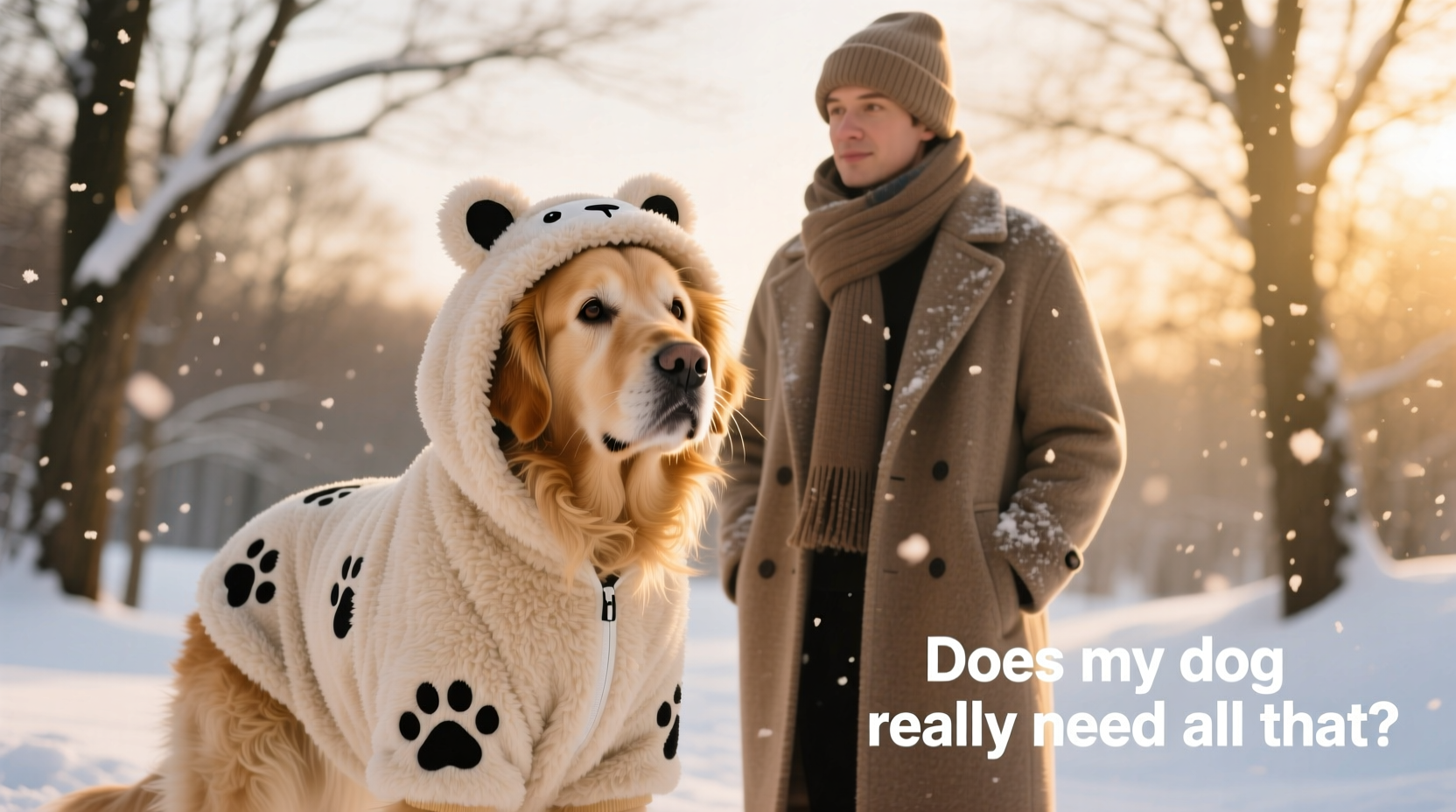
Dogs come in a wide range of sizes, shapes, and coat types — each influencing how well they regulate body temperature. Breeds like Siberian Huskies, Alaskan Malamutes, and Samoyeds evolved in Arctic climates and possess double coats designed to trap heat efficiently. These dogs often don’t need additional clothing, even in sub-zero weather.
On the other hand, small breeds such as Chihuahuas, Dachshunds, and toy poodles have high surface-area-to-body-mass ratios, meaning they lose heat quickly. Short-haired dogs like Boxers, Greyhounds, and Beagles also lack sufficient undercoats to retain warmth. Senior dogs and those with medical conditions like arthritis or hypothyroidism may struggle with thermoregulation regardless of breed.
“Just because a dog isn’t shivering doesn’t mean they’re warm enough. Small or thin-coated dogs can become dangerously chilled without obvious signs.” — Dr. Lena Patel, DVM, Canine Internal Medicine Specialist
Dog Onesie vs Winter Outfit: What’s the Difference?
The key distinction between a dog onesie and a winter outfit lies in function and setting.
- Dog onesies: Typically made from soft fleece or cotton blends, onesies cover the torso and sometimes limbs. They’re designed for indoor use, offering light warmth and protection against dry skin or allergens. Some owners use them post-bath or after grooming to prevent scratching or licking surgical sites.
- Winter outfits: Include jackets, coats, and sweaters built for outdoor wear. These garments often feature wind-resistant outer layers, reflective strips, hoods, and belly coverage. Their primary purpose is thermal protection during walks or outdoor activity in cold weather.
When Does Your Dog Actually Need Extra Layers?
Not every dog requires clothing — but certain situations make it not just helpful, but necessary.
Situations That Call for Dog Clothing
- Temperatures below 45°F (7°C): Most veterinarians agree this is the threshold where small, short-haired, or elderly dogs begin to feel cold.
- Indoor drafts or low heating: Older homes or air-conditioned spaces can create chilly environments, especially for dogs that spend long hours on tile or hardwood floors.
- Post-surgery or illness: Dogs recovering from anesthesia or dealing with compromised immune systems benefit from consistent body temperature.
- Short outdoor exposure in extreme cold: Even brief trips outside for bathroom breaks can be risky for vulnerable dogs in freezing weather.
Signs Your Dog Is Too Cold
- Shivering or trembling
- Lifting paws off the ground
- Whining or reluctance to move
- Tucked tail and hunched posture
- Seeking warmth under furniture or blankets
Comparison: Onesie vs Winter Coat Features
| Feature | Dog Onesie | Winter Outfit |
|---|---|---|
| Primary Use | Indoors | Outdoors |
| Material | Fleece, cotton, spandex | Water-resistant nylon, insulated polyester |
| Warmth Level | Light to moderate | Moderate to heavy |
| Weather Resistance | None | Yes (wind, light snow, rain) |
| Mobility | High – flexible fit | Varies – some restrict movement |
| Best For | Elderly dogs, post-grooming, dry indoor climates | Walks in cold weather, wet conditions, active outdoor play |
Real Example: Managing Winter Comfort for a Senior Dachshund
Maria, a pet owner in Chicago, noticed her 12-year-old dachshund Max started hesitating at the door during winter mornings. Despite his short coat, she initially dismissed the idea of dog clothes as unnecessary. After Max developed mild stiffness in his joints following a particularly cold walk, she consulted her vet.
Following professional advice, Maria began dressing Max in a lightweight thermal onesie at home and added a water-resistant jacket with belly coverage for outdoor excursions. Within days, Max resumed his normal routine — no more hesitation at the door, improved mobility, and visibly less shivering. This real-world case illustrates how targeted clothing choices can significantly improve quality of life for at-risk dogs.
Step-by-Step Guide to Choosing the Right Gear
Follow this process to determine what your dog truly needs:
- Assess your dog’s risk factors: Consider breed, age, weight, coat thickness, and any health issues.
- Monitor behavior in cold weather: Note signs of discomfort during walks or in cool rooms.
- Measure accurately: Use a soft tape measure around the neck, chest (widest point), and back length to ensure proper fit.
- Select by environment: Choose a onesie for indoor warmth; opt for a winter coat with secure fastenings and coverage for outdoor use.
- Test and adjust: Allow your dog to wear the garment briefly. Watch for signs of distress, chafing, or restricted movement.
Frequently Asked Questions
Can dogs overheat in clothing?
Yes. Overdressing is a real concern, especially indoors or during active play. Signs include panting, restlessness, and seeking cool surfaces. Remove layers if your dog shows these behaviors.
Are dog onesies safe for overnight wear?
Only if they’re loose-fitting, non-restrictive, and made from breathable fabric. Never leave a dog unattended in tight clothing that could cause circulation issues or entanglement.
Do all small dogs need winter coats?
Most do — especially in climates with sustained cold. However, individual tolerance varies. Observe your dog closely rather than relying solely on size or breed generalizations.
Final Checklist: Is Your Dog Ready for Winter?
- ✅ Know your dog’s cold tolerance based on breed and health
- ✅ Have a snug-fitting winter coat for outdoor use (with leash hole)
- ✅ Consider a thermal onesie if your dog spends time on cold floors
- ✅ Avoid cotton-heavy fabrics — they retain moisture and lose insulation
- ✅ Wash dog clothing regularly to prevent skin irritation
- ✅ Always supervise initial use of new garments
Conclusion: Practical Care Over Fashion Trends
Dog onesies and winter outfits aren’t inherently necessary — but for many dogs, they’re valuable tools for maintaining comfort and health. The decision shouldn’t be driven by cuteness or social media trends, but by your pet’s actual needs. Whether it’s a cozy onesie for drafty evenings or a rugged coat for snowy walks, thoughtful layering supports your dog’s well-being.
Every dog deserves to stay warm, mobile, and stress-free through the colder months. Evaluate your pet’s lifestyle, consult your veterinarian when in doubt, and choose functional, well-fitted clothing that enhances — not complicates — their daily life.
💬 Have experience with dog clothing that helped your pet? Share your story in the comments — your insight could help another pet parent make a smarter choice this winter.








