
When your dog refuses to eat, it can be a moment of concern. While skipping a meal occasionally is normal, consistent loss of appetite may signal an underlying issue. Dogs rely on routine, and changes in their eating habits often reflect physical discomfort, emotional stress, or environmental shifts. Understanding the potential causes—and knowing when to act—can make all the difference in safeguarding your pet’s health.
Common Reasons Your Dog Isn’t Eating
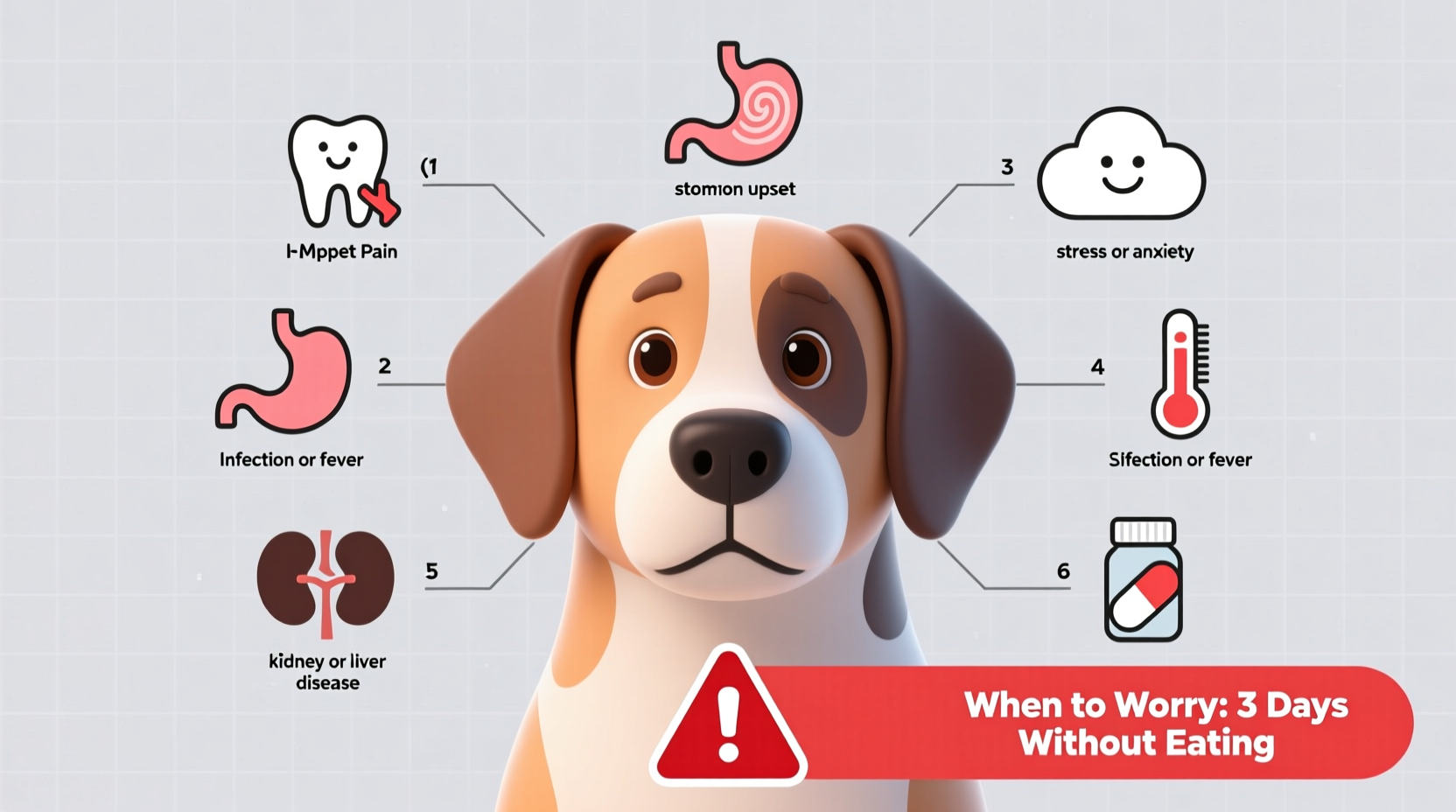
A decreased appetite in dogs can stem from a variety of sources, ranging from mild to serious. Identifying the root cause begins with observing accompanying symptoms and recent changes in your dog’s life.
- Dental problems: Painful teeth, gum disease, or oral injuries can make chewing uncomfortable.
- Upset stomach: Dietary indiscretion (eating garbage or spoiled food) often leads to nausea and temporary fasting.
- Environmental stress: Moving homes, loud noises, or new pets can trigger anxiety-related appetite loss.
- Change in diet: Sudden food switches or low-quality ingredients may deter picky eaters.
- Medication side effects: Some drugs, especially antibiotics or painkillers, reduce hunger as a side effect.
- Illness: Infections, organ dysfunction (kidney, liver), or gastrointestinal blockages are serious culprits.
When to Worry: Red Flags That Require Immediate Attention
Not every skipped meal demands a vet visit, but certain signs should never be ignored. The duration and combination of symptoms determine urgency.
“Anorexia in dogs lasting more than 24 hours, especially with vomiting or lethargy, warrants prompt veterinary evaluation.” — Dr. Rachel Nguyen, DVM, Small Animal Internal Medicine Specialist
Seek immediate care if your dog shows any of the following:
- No food intake for over 48 hours (24 hours for puppies)
- Repeated vomiting or diarrhea
- Visible abdominal pain or bloating
- Lethargy or reluctance to move
- Excessive drooling or difficulty swallowing
- Weight loss within days
- Changes in drinking habits (drinking too much or refusing water)
Step-by-Step Guide: What to Do When Your Dog Won’t Eat
Follow this practical timeline to assess and respond appropriately:
- Day 1 – Observe and monitor: Note behavior, bowel movements, and water intake. Try warming food or offering boiled chicken and rice.
- Day 2 – Evaluate consistency: If still not eating, eliminate treats and stick to bland meals. Check for dental issues or foreign objects.
- Day 3 – Contact your veterinarian: Describe symptoms clearly. They may recommend blood work or an exam.
- After vet visit: Follow prescribed treatment—this might include fluids, medication, or dietary changes.
- Ongoing monitoring: Track food intake daily. Use a log to share with your vet during follow-ups.
Do’s and Don’ts: Managing Appetite Loss in Dogs
| Do’s | Don’ts |
|---|---|
| Offer highly palatable foods like boiled chicken, canned wet food, or bone broth | Force-feed aggressively—this can create fear around food |
| Keep fresh water available at all times | Introduce multiple new foods at once—this complicates diagnosis |
| Monitor for other symptoms like vomiting, diarrhea, or coughing | Ignore persistent refusal to eat beyond 48 hours |
| Stick to a quiet feeding environment free from distractions | Assume it’s “just being picky” without ruling out medical causes |
| Contact your vet early if concerns arise | Delay veterinary care if your dog is a puppy, senior, or has chronic conditions |
Real-Life Example: Bella the Beagle’s Recovery
Bella, a 7-year-old beagle, stopped eating after her family returned from vacation. Her owner initially assumed she was upset about the change in routine. For two days, Bella sipped water but refused kibble and treats. On day three, she began vomiting yellow bile in the mornings.
The owner contacted their vet, who suspected gastrointestinal inflammation. Blood tests revealed elevated liver enzymes, and an ultrasound found a partial intestinal obstruction caused by a swallowed toy fragment. After surgery and a week of recovery with a prescription diet, Bella resumed normal eating. Early intervention prevented sepsis or permanent damage.
This case underscores how behavioral assumptions can delay critical care. Even subtle clues—like morning vomiting—can point to severe internal issues.
Checklist: Assessing Your Dog’s Appetite Concerns
Use this checklist to evaluate whether your dog needs urgent attention:
- ☐ Has your dog eaten anything in the past 24–48 hours?
- ☐ Is water intake normal or declining?
- ☐ Are there signs of vomiting, diarrhea, or constipation?
- ☐ Does your dog appear painful, hunched, or reluctant to lie down?
- ☐ Has there been any exposure to toxins, garbage, or unfamiliar foods?
- ☐ Is your dog on new medication?
- ☐ Have you noticed bad breath, drooling, or pawing at the mouth?
- ☐ Is your dog unusually tired or hiding more than usual?
- ☐ Does your dog have a pre-existing condition (e.g., diabetes, kidney disease)?
- ☐ Have you tried warming food or offering a bland diet without success?
If more than three items apply, contact your veterinarian promptly.
Frequently Asked Questions
Can teething cause puppies to stop eating?
Yes. Teething discomfort between 3–6 months can reduce a puppy’s desire to chew hard kibble. Offer soft food, frozen washcloths, or rubber toys to soothe gums. However, prolonged refusal to eat—even with teething—should be evaluated by a vet to rule out infection or congenital issues.
Is it safe to mix human food with dog food to encourage eating?
In moderation, yes. Plain cooked chicken, pumpkin puree (not pie filling), or scrambled eggs (no butter or seasoning) can entice picky eaters. Avoid onions, garlic, grapes, chocolate, or xylitol-containing foods, which are toxic. Use human food as a short-term aid, not a long-term solution.
How long can a healthy adult dog go without eating?
Most healthy adult dogs can survive 3–5 days without food, but this doesn’t mean they should. Nutritional decline begins within 24–48 hours. Dehydration is a greater risk, so water intake is critical. Any fast longer than 48 hours requires veterinary assessment.
Conclusion: Trust Your Instincts and Act Early
Your dog’s appetite is a vital sign of well-being. While occasional disinterest in food may resolve on its own, persistent refusal demands attention. Medical conditions like pancreatitis, kidney failure, or cancer often present with appetite loss before other symptoms emerge. Early detection improves outcomes dramatically.
Never dismiss changes in eating behavior as mere stubbornness. Combine careful observation with timely veterinary consultation. Whether it’s adjusting meal presentation, reducing household stress, or seeking diagnostic testing, proactive care ensures your dog stays healthy and nourished.
💬 Has your dog ever stopped eating unexpectedly? Share your experience and what helped—your story could guide another worried pet owner toward the right decision.








