It’s a common concern among pet owners: your dog turns their nose up at their bowl, leaving kibble untouched for hours. While an occasional skipped meal might not be alarming, consistent refusal of dog food can signal underlying issues or simply reflect picky eating behavior. Understanding the root causes—ranging from medical conditions to environmental stress—is essential in restoring healthy eating habits. This guide explores the most frequent reasons dogs avoid their food and provides actionable, veterinarian-backed solutions to help even the fussiest eaters return to regular meals.
Common Medical Reasons for Loss of Appetite
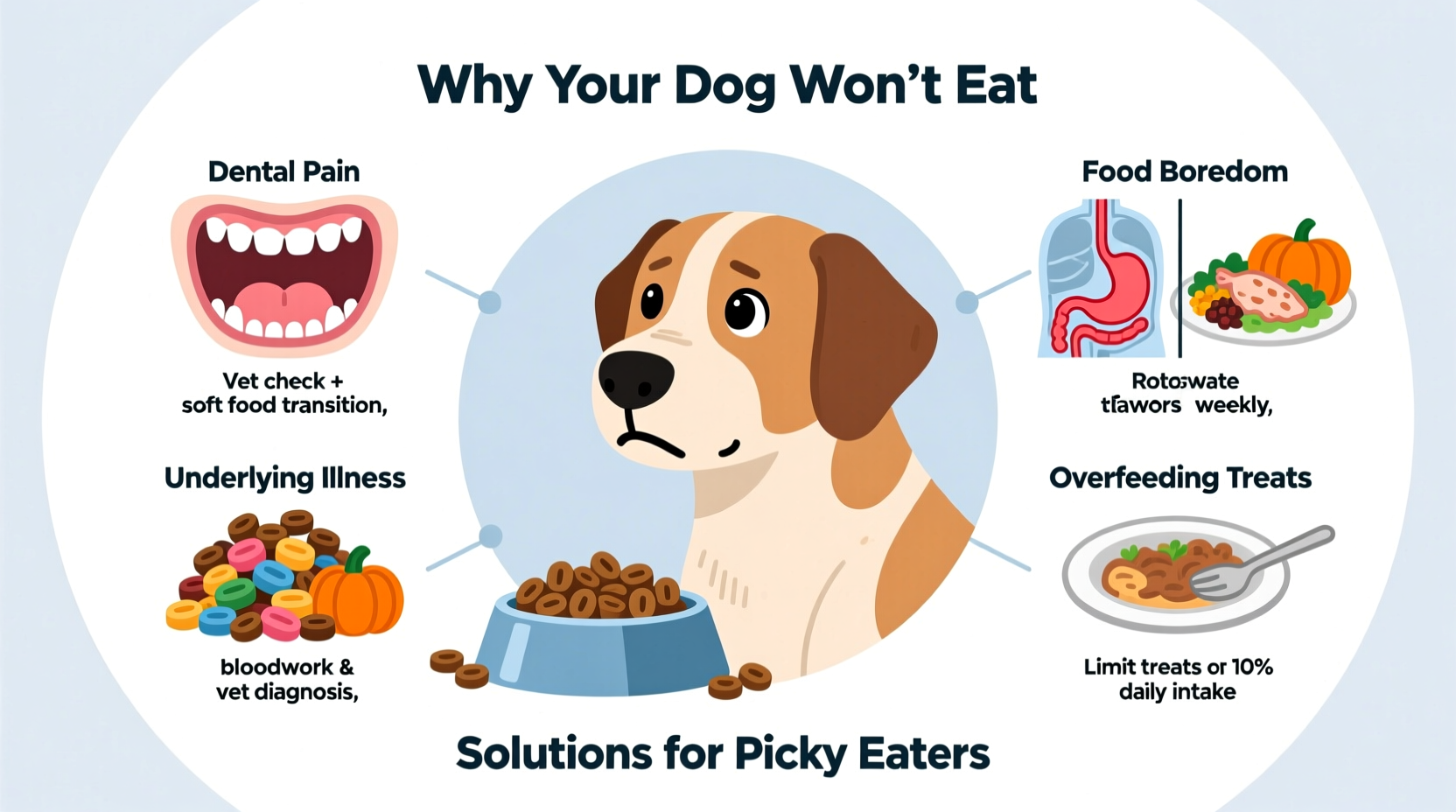
Dogs may stop eating due to physical discomfort or illness. Sudden disinterest in food should prompt a careful assessment of possible health problems. Common medical causes include dental disease, gastrointestinal upset, infections, and chronic conditions like kidney disease or diabetes.
Dental pain is one of the most overlooked reasons. If your dog chews on one side, drops food, or shows excessive drooling, they may have tooth decay or gum inflammation. Similarly, gastrointestinal issues such as nausea, constipation, or intestinal blockages often lead to appetite loss. In older dogs, systemic illnesses become more prevalent, and appetite decline can be an early warning sign.
Tip: Monitor for additional symptoms like vomiting, diarrhea, lethargy, or changes in water intake. If these accompany food refusal, consult your veterinarian promptly.“Loss of appetite in dogs is not normal if it persists beyond 24 hours, especially in puppies or senior dogs. It warrants immediate veterinary evaluation.” — Dr. Laura Simmons, DVM, Small Animal Internal Medicine Specialist
Behavioral and Environmental Factors
Not all cases of food refusal are medically driven. Behavioral and environmental influences play a significant role, particularly in otherwise healthy dogs. Stress, changes in routine, or anxiety can suppress appetite. Moving homes, introducing new pets, loud noises, or even rearranging furniture can unsettle a sensitive dog.
Picky eating habits often develop when owners frequently offer human food or switch brands without transition. Dogs learn that refusing kibble may result in tastier alternatives, reinforcing selective behavior. Over time, this becomes a conditioned response rather than a true preference.
Another overlooked factor is feeding location. A high-traffic area, proximity to loud appliances, or competition with other pets can make dogs feel unsafe while eating. Some dogs prefer quiet, secluded spots where they can consume meals without interruption.
Do’s and Don’ts for Managing Picky Eating Behavior
| Do’s | Don’ts |
|---|---|
| Stick to a consistent feeding schedule | Free-feed (leave food out all day) |
| Remove uneaten food after 20–30 minutes | Offer table scraps as alternatives |
| Use positive reinforcement during mealtimes | Force-feed or punish refusal |
| Gradually transition between foods over 7 days | Suddenly switch brands or protein sources |
| Create a calm, distraction-free eating space | Feed near noisy areas or other pets |
Step-by-Step Guide to Reviving Your Dog’s Appetite
If your dog consistently refuses food, follow this structured approach to identify and resolve the issue:
- Rule out medical causes. Schedule a vet visit to check for dental issues, infections, organ dysfunction, or parasites. Blood work and a physical exam are often necessary.
- Assess recent changes. Reflect on any alterations in diet, environment, or routine that coincide with the appetite drop.
- Establish a feeding routine. Serve meals at the same times daily, allowing 20–30 minutes to eat before removing the bowl. This encourages consistency and prevents grazing.
- Enhance palatability safely. Mix a small amount of low-sodium broth, plain cooked chicken, or canned dog food into dry kibble. Avoid seasoning or toxic ingredients like onions.
- Eliminate alternative food sources. Stop offering treats or human food that may reduce hunger at mealtime.
- Monitor progress. Track food intake and behavior for 3–5 days. Improvement indicates behavioral causes; lack of change requires further veterinary consultation.
Real-Life Example: Turning Around a Picky Eater
Max, a three-year-old Shih Tzu, had been refusing his kibble for nearly two weeks. His owner, Sarah, initially assumed he was just being finicky and began offering scrambled eggs and cheese. When Max still ate inconsistently, she grew concerned. A vet visit revealed mild dental tartar but no serious illness.
Following the vet’s advice, Sarah discontinued all human food and implemented scheduled meals. She mixed a tablespoon of warm, unseasoned bone broth into Max’s kibble and fed him in a quiet corner of the kitchen. Within four days, Max began eating his full portion. By week two, he no longer needed the broth enhancer. The key was consistency and removing the expectation of better food.
This case illustrates how quickly picky habits can form—and how structured, patient intervention can reverse them.
Practical Solutions for Long-Term Success
Once your dog resumes eating, maintaining healthy habits is crucial. Consider rotating between two high-quality dog food formulas every few months to prevent flavor fatigue. Always introduce new foods gradually to avoid digestive upset.
Portion control supports appetite regulation. Overfeeding through treats or oversized meals can suppress hunger at scheduled times. Use a measuring cup and track total daily intake, including snacks.
For dogs with persistent selectivity, consider fresh or lightly cooked commercial diets designed for palatability. Brands that use whole meat as the first ingredient often appeal to discerning eaters. However, ensure these options meet AAFCO nutritional standards.
Checklist: What to Do When Your Dog Won’t Eat
- ✔️ Observe for signs of illness (vomiting, diarrhea, lethargy)
- ✔️ Check teeth and gums for redness, swelling, or bad breath
- ✔️ Confirm feeding schedule is consistent and predictable
- ✔️ Remove distractions during mealtime
- ✔️ Warm food slightly to boost scent and appeal
- ✔️ Eliminate access to human food and excessive treats
- ✔️ Consult your veterinarian if refusal lasts more than 24 hours (puppies) or 48 hours (adults)
Frequently Asked Questions
How long can a healthy adult dog go without eating?
Most healthy adult dogs can go 2–3 days without food, but this doesn’t mean they should. Appetite loss lasting beyond 48 hours warrants a vet visit, especially if accompanied by other symptoms. Puppies, however, should never go more than 24 hours without eating due to risk of hypoglycemia.
Is it okay to mix wet and dry food?
Yes, mixing wet and dry food is safe and often recommended to increase moisture intake and improve palatability. Just adjust portions to avoid overfeeding. Choose complementary formulas from the same brand or nutritionally balanced options.
Can changing dog food cause my dog to stop eating?
Yes, sudden changes in taste, texture, or smell can deter dogs. Always transition over 5–7 days by gradually increasing the proportion of new food while decreasing the old. Abrupt switches commonly lead to refusal or digestive upset.
Conclusion: Taking Action for Your Dog’s Health
A dog not eating their food isn’t always a behavioral quirk—it could be a cry for help or a learned habit reinforced by well-meaning owners. By systematically evaluating medical, environmental, and dietary factors, you can pinpoint the cause and apply effective solutions. Whether it’s adjusting feeding routines, enhancing meal appeal, or seeking veterinary guidance, proactive steps make a meaningful difference.
💬 Has your dog overcome picky eating? Share your experience or questions in the comments—your story could help another pet owner find a solution.








