
Dog owners often notice subtle changes in their pet’s appearance long before any serious health issues arise. One such change—hair loss around the eyes—can be alarming but is not always a sign of something severe. While occasional shedding is normal, bald patches or thinning fur near the eyes may point to underlying medical conditions, environmental factors, or genetic predispositions. Understanding the root causes, available treatments, and preventive steps empowers pet owners to act early and maintain their dog’s well-being.
Common Causes of Hair Loss Around a Dog’s Eyes
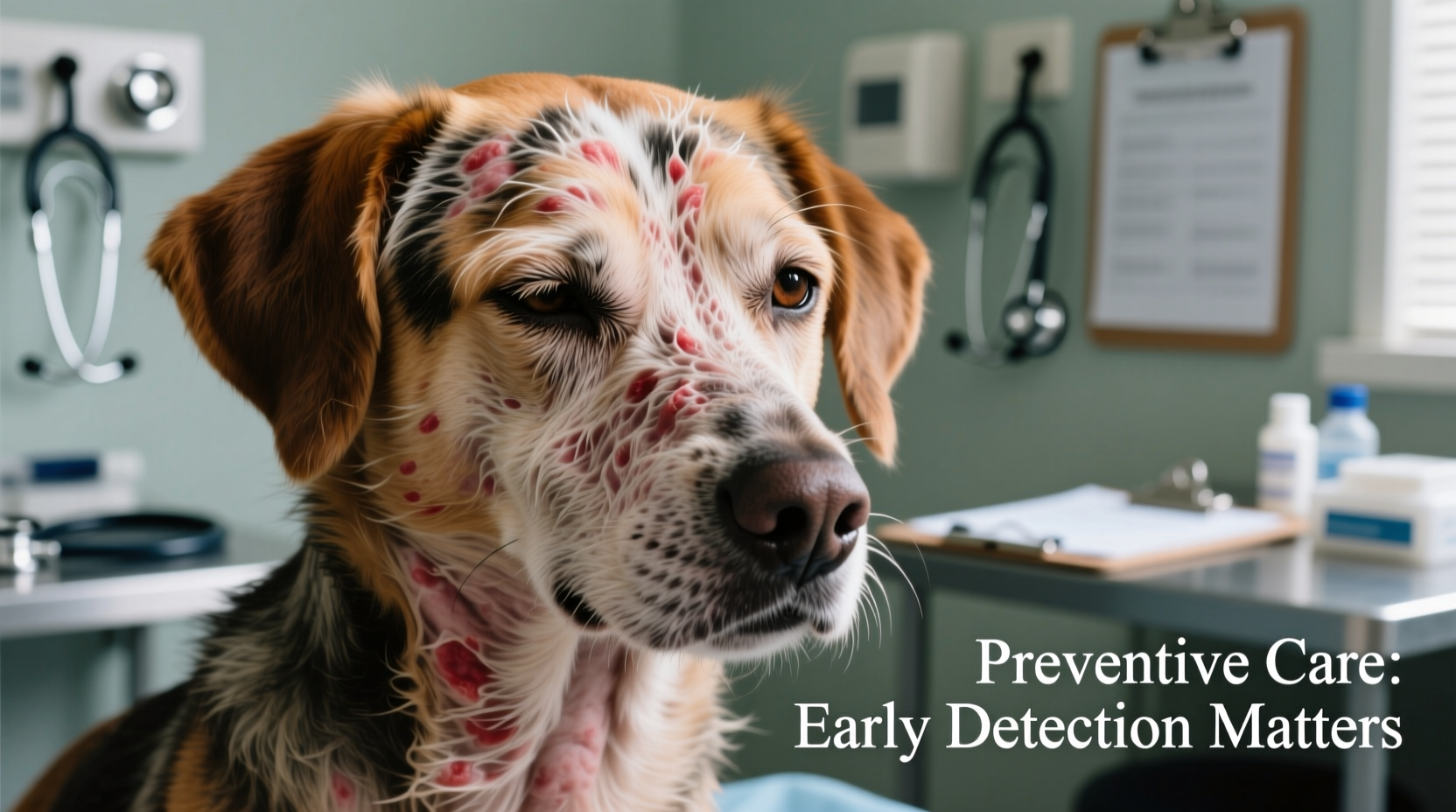
Hair loss, or alopecia, around the eyes can stem from various sources. Some are benign and temporary, while others require veterinary intervention. The most frequent causes include:
- Allergies: Environmental allergens like pollen, dust mites, or mold can trigger localized irritation and excessive rubbing, leading to fur loss.
- Skin Infections: Bacterial (such as *Staphylococcus*) or fungal (like ringworm) infections often manifest around the face and eyes due to moisture buildup or minor wounds.
- Demodex Mites: These microscopic parasites live in hair follicles. While usually harmless, an overgrowth—especially in young or immunocompromised dogs—can cause patchy hair loss.
- Hormonal Imbalances: Conditions like hypothyroidism or Cushing’s disease disrupt hormone levels, resulting in symmetrical hair thinning, often beginning around the eyes and ears.
- Autoimmune Disorders: Diseases such as alopecia areata or lupus erythematosus can target hair follicles, particularly in sensitive areas like the periorbital region.
- Conjunctivitis or Eye Discharge: Chronic tearing or eye infections can irritate the skin, prompting licking or scratching that removes fur.
- Breed Predisposition: Breeds like Poodles, Shih Tzus, and Maltese are prone to facial hair thinning due to genetics or tear staining-related irritation.
Diagnosis and Veterinary Evaluation
Accurate diagnosis begins with a thorough veterinary examination. Your vet may perform several tests to pinpoint the cause:
- Skin Scraping: To detect mites or fungal spores.
- Allergy Testing: Blood or intradermal tests identify specific allergens.
- Hormone Assays: Blood work checks thyroid and adrenal function.
- Cytology: Microscopic analysis of skin cells for infection signs.
- Tear Production Test: Evaluates whether excessive tearing contributes to irritation.
“Hair loss around the eyes isn’t always cosmetic—it can signal systemic illness. Early diagnostics prevent progression.” — Dr. Laura Simmons, DVM, Canine Dermatology Specialist
Effective Treatment Options Based on Cause
Treatment must align with the diagnosed condition. A one-size-fits-all approach is ineffective and potentially harmful.
| Condition | Treatment | Expected Recovery Time |
|---|---|---|
| Allergies | Antihistamines, hypoallergenic diet, allergen avoidance, immunotherapy | 2–8 weeks with consistent management |
| Bacterial Infection | Topical or oral antibiotics (e.g., cephalexin) | 1–3 weeks |
| Fungal Infection (Ringworm) | Antifungal shampoos, lime sulfur dips, oral medication (itraconazole) | 4–12 weeks |
| Demodicosis | Amitraz dips, oral milbemycin, or isoxazoline-class drugs | 4–8 weeks, depending on severity |
| Hypothyroidism | Lifelong levothyroxine supplementation | Fur regrowth in 4–6 weeks; full coat in 3–6 months |
In addition to medical treatments, topical therapies such as medicated shampoos or soothing eye wipes can reduce inflammation and support healing. Never use human products unless approved by a veterinarian, as they may worsen irritation.
Prevention Strategies for Long-Term Eye and Skin Health
Preventing recurrence involves consistent care and environmental control. Proactive measures significantly reduce the risk of future episodes.
Tip: Trim the hair around your dog’s eyes regularly to minimize tear accumulation and bacterial growth.Checklist: Daily & Weekly Prevention Routine
- ✅ Wipe around the eyes daily with a soft, damp cloth or vet-approved eye wipe.
- ✅ Keep facial hair trimmed, especially in long-haired breeds.
- ✅ Wash food and water bowls daily to prevent bacterial buildup.
- ✅ Use stainless steel or ceramic bowls instead of plastic, which can harbor bacteria.
- ✅ Vacuum living areas frequently to reduce dust and allergens.
- ✅ Bathe your dog monthly with a gentle, hypoallergenic shampoo.
- ✅ Schedule biannual vet checkups to monitor skin and hormonal health.
Real-Life Example: Bella the Shih Tzu
Bella, a 4-year-old Shih Tzu, began losing fur around her left eye. Her owner initially assumed it was due to scratching, but the area expanded over two weeks. A vet visit revealed elevated liver enzymes and cortisol levels, leading to a diagnosis of early-stage Cushing’s disease. After starting medication and switching to a low-fat, balanced diet, Bella’s hair began regrowing within five weeks. Her owner now uses daily eye wipes and schedules blood tests every six months. This case highlights how seemingly minor symptoms can reflect deeper systemic issues.
Step-by-Step Guide to Managing Periocular Hair Loss
- Observe and Document: Note when the hair loss started, whether it's spreading, and if your dog shows discomfort (rubbing, squinting).
- Clean Gently: Use a warm, damp cloth to clean the area daily. Avoid alcohol-based cleaners.
- Prevent Self-Trauma: Use an Elizabethan collar if your dog rubs or scratches excessively.
- Schedule a Vet Visit: Seek professional evaluation within a week of noticing persistent hair loss.
- Follow Treatment Plan: Administer medications exactly as prescribed and attend follow-up appointments.
- Monitor Progress: Take weekly photos to track regrowth or worsening.
- Implement Preventive Habits: Maintain hygiene, diet, and routine care to avoid recurrence.
Frequently Asked Questions
Is hair loss around the eyes always a sign of illness?
No. Some dogs naturally have thinner fur around the eyes due to genetics. However, sudden or progressive loss, especially with redness, crusting, or discharge, warrants veterinary attention.
Can diet affect hair regrowth around the eyes?
Yes. Nutrients like omega-3 fatty acids, biotin, zinc, and high-quality proteins support skin integrity and hair health. A balanced, species-appropriate diet enhances recovery.
Should I try over-the-counter creams for my dog’s bald spots?
Not without consulting your vet. Many human topical products contain ingredients toxic to dogs or may mask underlying infections, delaying proper treatment.
Conclusion: Act Early, Care Consistently
Hair loss around a dog’s eyes is more than a cosmetic concern—it’s a potential window into their overall health. Whether caused by allergies, infections, or hormonal disorders, timely action makes a significant difference in outcomes. With proper diagnosis, targeted treatment, and daily preventive habits, most dogs fully recover and maintain healthy coats. Don’t ignore subtle changes. Your vigilance today ensures a happier, healthier tomorrow for your furry companion.
💬 Have you noticed hair loss around your dog’s eyes? Share your experience or questions below—your story could help another pet owner recognize the signs early.








