Dogs use their mouths and tongues to explore the world. Occasional licking is normal—whether it's a quick sniff-and-lick of the floor or grooming their paws. But when your dog starts obsessively licking surfaces, furniture, walls, or even the air with sudden intensity, it’s time to pay attention. This behavior can signal anything from mild boredom to serious medical conditions. Understanding why this happens—and knowing how to respond—can make a significant difference in your dog’s health and well-being.
Why Dogs Start Licking Everything Suddenly
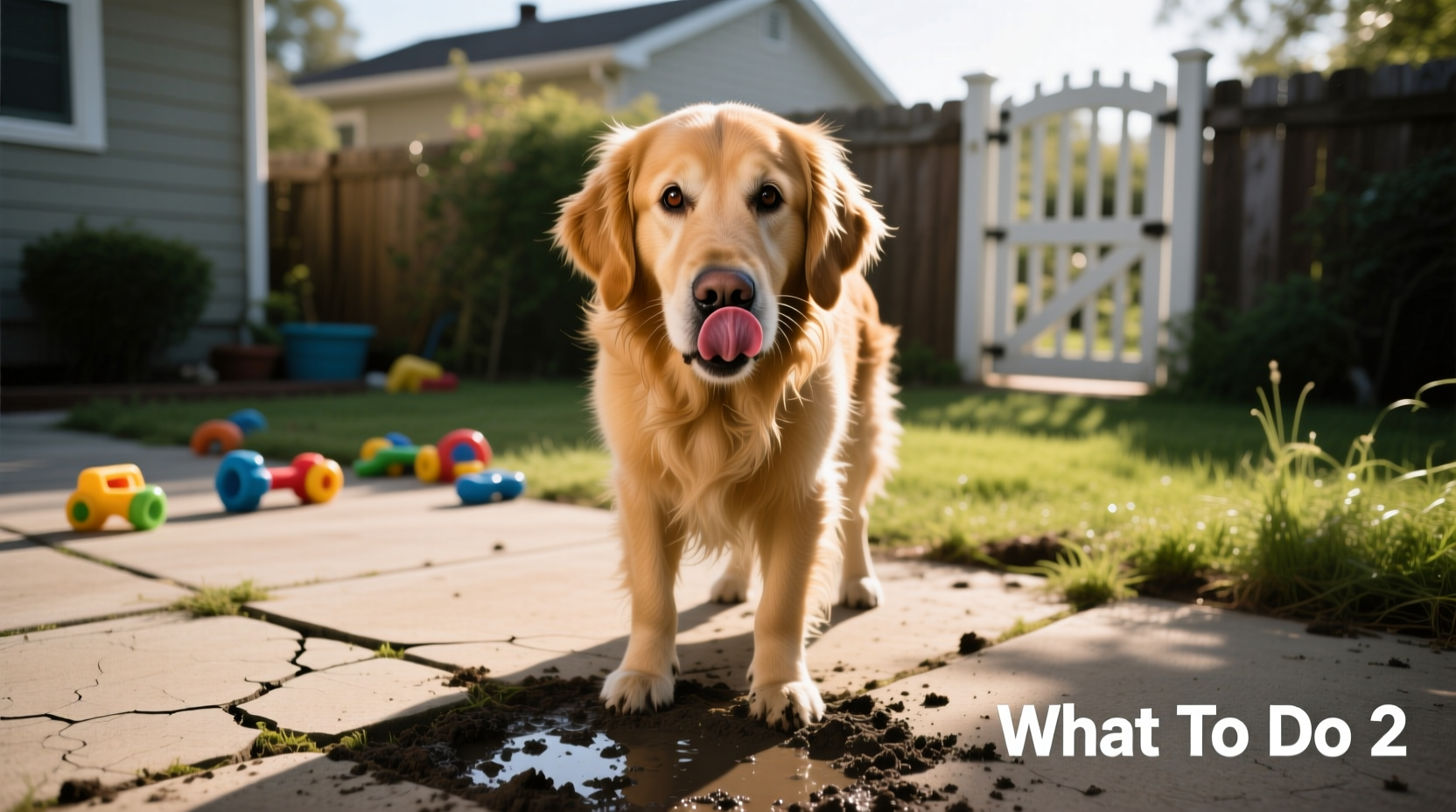
Sudden onset of compulsive licking often catches pet owners off guard. Unlike habitual grooming, this behavior appears out of nowhere and persists despite attempts to redirect it. The root cause may be physical, psychological, or environmental. Identifying the trigger requires careful observation and, often, veterinary insight.
One of the most common misconceptions is that licking is always behavioral. While anxiety and boredom play a role, many cases stem from underlying medical issues. For example, gastrointestinal discomfort can prompt dogs to lick floors or carpets as a way to soothe nausea. Similarly, dental pain or oral infections might lead to excessive licking of objects or even the air.
Tip: Keep a symptom journal—note when the licking occurs, how long it lasts, and any possible triggers like meals, visitors, or alone time.Medical Causes Behind Excessive Licking
Before assuming behavioral issues, rule out physical problems. Several medical conditions are linked to sudden licking behaviors:
- Gastrointestinal distress: Nausea, acid reflux, or inflammatory bowel disease (IBD) can cause dogs to lick floors, walls, or non-food items. This may be an instinctive response to settle an upset stomach.
- Dental disease: Painful teeth, gum infections, or foreign objects stuck in the mouth can lead to constant licking or pawing at the face.
- Nerve or neurological disorders: Seizure activity, especially partial (focal) seizures, may manifest as repetitive licking or “fly-biting” motions.
- Skin allergies or infections: Itchiness from environmental allergens, food sensitivities, or yeast overgrowth can drive dogs to lick their paws or other body parts incessantly.
- Endocrine imbalances: Conditions like Cushing’s disease or hypothyroidism sometimes present with behavioral changes, including obsessive licking.
“Persistent licking without an obvious reason should be evaluated by a vet. In my practice, nearly 40% of compulsive lickers have an underlying medical condition.” — Dr. Laura Simmons, DVM, Veterinary Behavior Specialist
Behavioral and Environmental Triggers
When medical causes are ruled out, behavioral factors come into focus. Dogs are sensitive creatures, and changes in routine, environment, or emotional state can trigger compulsive behaviors.
Anxiety is a leading cause. Separation anxiety, noise phobias (e.g., thunderstorms), or reactivity to other animals can result in displacement behaviors like licking. It serves as a self-soothing mechanism, much like humans biting their nails under stress.
Boredom and lack of mental stimulation also contribute. Dogs left alone for long periods without enrichment may develop repetitive habits. Breeds prone to high energy or working instincts—such as Border Collies or German Shepherds—are especially vulnerable.
In some cases, the behavior becomes ingrained. Even if the original trigger resolves, the dog continues licking out of habit, reinforcing the neural pathway through repetition.
Step-by-Step Guide: What to Do When Your Dog Starts Licking Suddenly
Responding promptly and systematically increases the chances of resolving the issue effectively. Follow this timeline to address both medical and behavioral aspects:
- Observe and document: Track frequency, duration, location, and context of the licking. Note any patterns related to feeding, sleeping, or household events.
- Schedule a veterinary exam: Begin with a full physical, including blood work, urinalysis, and dental check. Mention all observed behaviors, even subtle ones like appetite changes or restlessness.
- Rule out GI issues: If no clear diagnosis emerges, consider a gastrointestinal workup. An abdominal ultrasound or trial with a hypoallergenic diet may be recommended.
- Assess behavioral health: If medical causes are excluded, consult a veterinary behaviorist. They can differentiate between anxiety, OCD-like behaviors, and learned habits.
- Implement environmental enrichment: Increase daily walks, introduce puzzle toys, and practice training exercises to reduce stress and provide mental stimulation.
- Interrupt and redirect: Gently interrupt licking episodes with a cue or toy, then reward engagement with appropriate activities.
- Consider medication if needed: In severe anxiety or compulsive disorder cases, SSRIs (like fluoxetine) may be prescribed alongside behavioral modification.
Do’s and Don’ts: Managing Sudden Licking Behavior
| Do’s | Don’ts |
|---|---|
| Seek a vet evaluation early | Ignore persistent licking |
| Provide chew toys and food puzzles | Punish or scold the dog |
| Maintain a consistent daily routine | Allow long stretches of isolation |
| Use positive reinforcement for calm behavior | Give attention during licking episodes |
| Try a limited-ingredient diet if allergies are suspected | Change diets or medications without guidance |
Real Example: Max the Labrador’s Recovery Journey
Max, a 5-year-old yellow Lab, began licking the kitchen tiles for hours after dinner. His owner initially thought it was a quirky habit. Over weeks, the behavior worsened—he’d pace and lick walls, even during sleep. Concerned, she took him to the vet.
Blood tests revealed elevated liver enzymes, and further imaging showed mild pancreatitis. After a course of anti-inflammatory medication and a switch to a low-fat prescription diet, Max’s licking decreased significantly within two weeks. His owner also introduced slow-feed bowls and post-meal walks to reduce digestive strain. Within a month, the behavior stopped entirely.
This case highlights how a physical ailment can manifest as a behavioral symptom—and why medical screening is essential.
Tip: Try a post-meal walk. Gentle movement after eating can aid digestion and reduce nausea-related licking.Frequently Asked Questions
Is it normal for dogs to lick the floor occasionally?
Yes, occasional floor licking—especially after meals or spills—is typical. However, frequent or prolonged licking, particularly on clean surfaces, is not normal and warrants investigation.
Can anxiety really cause a dog to lick everything?
Absolutely. Anxiety triggers displacement behaviors. Licking releases endorphins, which calm the nervous system. Dogs under stress may lick carpets, paws, or even the air as a coping mechanism.
Should I use a bitter spray to stop the licking?
Bitter sprays may deter licking in the short term but don’t address the root cause. If the behavior stems from illness or anxiety, suppression without treatment can increase distress. Use deterrents only after diagnosis and under professional guidance.
Action Plan Checklist
Use this checklist to stay organized and proactive:
- ✅ Document licking episodes (time, duration, triggers)
- ✅ Schedule a comprehensive veterinary exam
- ✅ Run bloodwork and GI screening if recommended
- ✅ Evaluate dental health
- ✅ Assess home environment for stressors
- ✅ Increase mental and physical enrichment
- ✅ Consult a veterinary behaviorist if no medical cause is found
- ✅ Implement a structured routine with predictable feeding and walking times
- ✅ Monitor progress weekly and adjust strategies as needed
Conclusion: Take Action Before the Habit Deepens
Sudden, excessive licking isn’t something to wait out. Whether rooted in physical discomfort or emotional distress, it’s your dog’s way of communicating that something is wrong. Early intervention prevents the behavior from becoming compulsive and difficult to reverse. Start with a vet visit, then build a supportive environment that meets your dog’s physical and psychological needs. With patience and the right approach, most dogs can stop licking excessively and return to balanced, healthy behavior.
💬 Has your dog suddenly started licking everything? Share your experience or questions below—we’re here to help you understand and support your pet better.








