
If your dog is constantly scratching, licking, or chewing at their skin—but you've ruled out fleas—you're likely searching for answers. Flea allergy dermatitis is a common culprit, but when no fleas are present, the cause may lie in less obvious allergic reactions. Dogs, like humans, can develop sensitivities to ingredients in food, airborne particles, or even materials they come into contact with daily. These allergies trigger inflammatory responses that manifest as intense itching, redness, ear infections, and skin irritation. Understanding the hidden sources behind your dog’s discomfort is the first step toward long-term relief.
Common Non-Flea Causes of Itching in Dogs
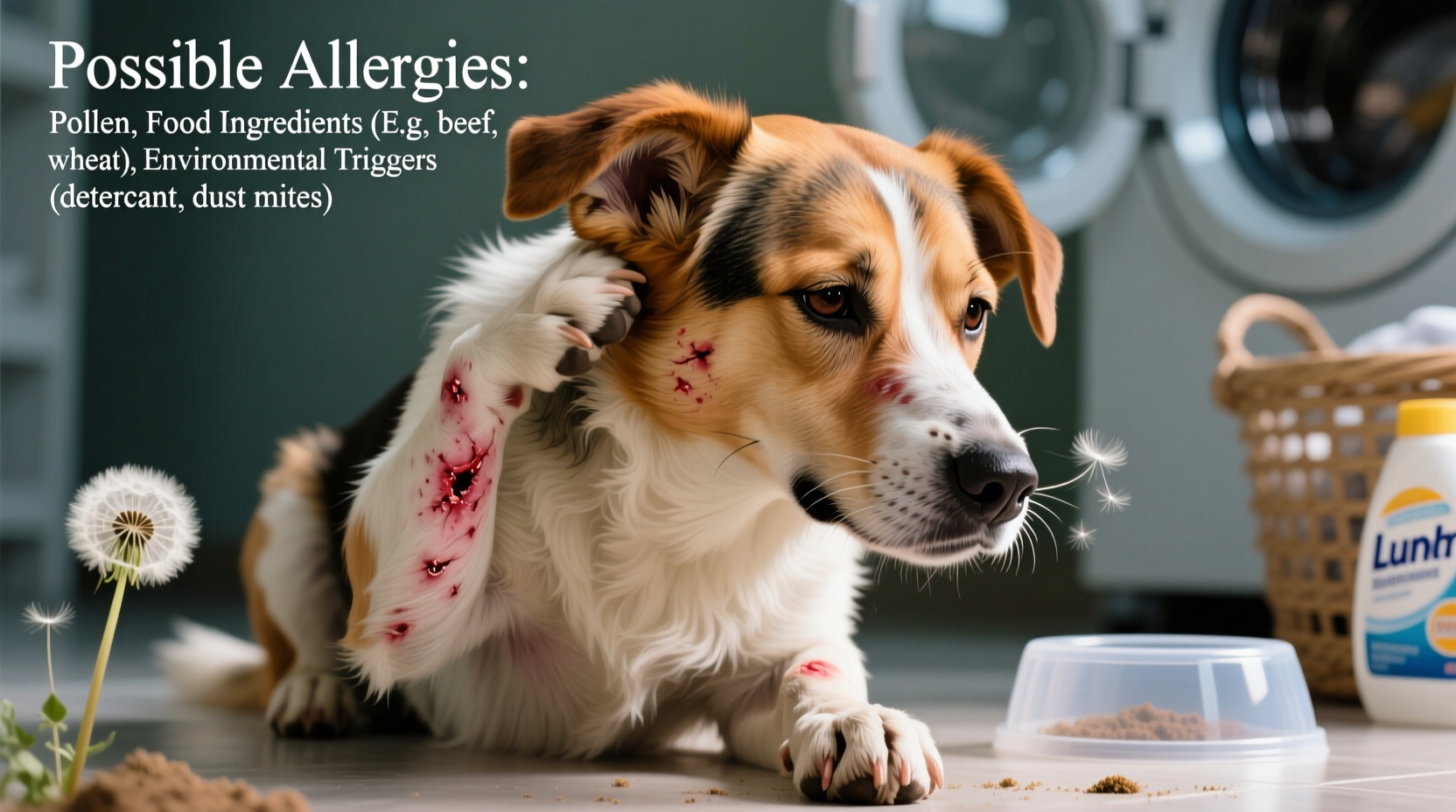
When fleas are not the issue, veterinarians typically investigate other types of allergies. The three primary categories are:
- Food allergies – Reactions to proteins or additives in commercial diets.
- Environmental (atopic) allergies – Sensitivity to pollen, dust mites, mold, or dander.
- Contact allergies – Skin reactions from bedding, cleaning products, or grooming supplies.
These conditions often overlap and can be difficult to distinguish without proper evaluation. Unlike flea bites, which tend to cluster near the tail base or hindquarters, allergic reactions may affect multiple areas: paws, ears, belly, face, and underarms.
Tip: Keep a symptom journal noting when and where your dog scratches most—this helps identify patterns linked to allergens.Food Allergies: Silent Triggers in Everyday Diets
Food allergies account for approximately 10% of all canine allergic conditions, yet they’re frequently overlooked. Symptoms typically develop gradually and include chronic ear infections, gastrointestinal upset, and generalized itching—especially around the face, paws, and rear.
The most common food allergens for dogs are:
- Beef
- Dairy products
- Chicken
- Eggs
- Wheat and soy
- Corn
It’s important to note that these ingredients may not cause issues immediately. A dog can eat the same food for years before developing an intolerance. This delayed onset makes diagnosis challenging.
“Food allergies in dogs aren’t about poor-quality food—they’re about individual immune responses. Even premium brands can contain triggers.” — Dr. Lena Torres, Veterinary Dermatologist
To determine if food is the culprit, a strict elimination diet is required. This involves feeding a novel protein (such as venison, duck, or kangaroo) and a single carbohydrate source (like sweet potato) for 8–12 weeks. During this period, no treats, flavored medications, or table scraps should be given.
Elimination Diet Checklist
- Choose a novel protein and carbohydrate your dog has never eaten.
- Switch to a prescription hypoallergenic diet or a home-cooked plan approved by your vet.
- Remove all other food sources, including chews and flavored toothpaste.
- Monitor symptoms weekly—look for reduced scratching, improved coat, and fewer ear infections.
- After improvement, reintroduce one ingredient at a time to identify the trigger.
Environmental Allergies: Invisible Irritants in Your Home and Yard
Atopic dermatitis affects up to 15% of dogs and is caused by inhaled or absorbed environmental allergens. These substances provoke an overactive immune response leading to persistent itching. Unlike seasonal human allergies, dogs often show symptoms year-round due to indoor allergens like dust mites and mold spores.
Common environmental allergens include:
- Tree, grass, and weed pollen
- House dust mites
- Mold spores (indoor and outdoor)
- Animal dander (from cats, other dogs, or wildlife)
- Cigarette smoke and air pollutants
Many dogs with environmental allergies experience worse symptoms during spring and fall, aligning with peak pollen seasons. However, those sensitive to indoor allergens may itch constantly.
Signs of Environmental Allergies
| Symptom | Typical Location | Frequency |
|---|---|---|
| Itching | Paws, ears, groin, armpits | Chronic or seasonal |
| Ear infections | One or both ears | Recurrent |
| Skin redness | Belly, between toes | Ongoing if untreated |
| Sneezing or watery eyes | Face | Occasional |
| Hot spots | Hips, neck, base of tail | Acute flare-ups |
Diagnosis often involves intradermal skin testing or blood tests (IgE testing), though results must be interpreted alongside clinical signs. Some vets recommend starting treatment based on history and response to therapy rather than waiting for test confirmation.
Tip: Wipe your dog’s paws and belly with a damp cloth after walks to remove pollen and allergens.Contact Allergies: What Your Dog Lies On Matters
Contact dermatitis occurs when a dog’s skin reacts to direct exposure to irritating substances. These allergens are often found in household items such as laundry detergents, carpet cleaners, plastic food bowls, or synthetic bedding materials.
Symptoms usually appear on sparsely haired areas: the belly, groin, chin, and paw pads. You might notice red bumps, rashes, or excessive licking in these zones. Because contact allergies are localized, they can be mistaken for infections or insect bites.
Common irritants include:
- Fragranced detergents or fabric softeners
- Plastic or rubber toys and bowls
- Synthetic carpet fibers treated with stain repellents
- Floor waxes and disinfectants
- Grooming shampoos with sulfates or artificial fragrances
Resolving contact allergies starts with removing potential triggers. Switch to fragrance-free, dye-free detergents for washing bedding. Use stainless steel or ceramic food and water bowls. Opt for natural fiber blankets instead of fleece or polyester.
Do’s and Don’ts for Managing Contact Allergens
| Do | Don't |
|---|---|
| Use hypoallergenic, unscented cleaning products | Use bleach or ammonia-based cleaners near pet areas |
| Wash bedding weekly in mild detergent | Use dryer sheets or liquid fabric softener |
| Choose natural rubber or cotton toys | Give chew toys made with vinyl or phthalates |
| Spot-clean floors with vinegar and water | Allow residue from chemical cleaners to remain on surfaces |
Real-Life Example: Max the Golden Retriever
Max, a 4-year-old Golden Retriever, had been scratching his ears and licking his paws for months. His owner checked thoroughly for fleas and used monthly preventatives, but the behavior continued. After two rounds of antibiotics for recurring ear infections, the family visited a veterinary dermatologist.
Blood testing revealed high sensitivity to grass pollen and house dust mites. The vet also suspected a mild reaction to chicken, which was the primary protein in Max’s kibble. The treatment plan included:
- Switching to a hydrolyzed protein diet
- Using dust-mite-proof covers on dog beds
- Administering a monthly anti-itch medication (lokivetmab)
- Installing an air purifier in the bedroom where Max slept
- Wiping his paws after every outdoor excursion
Within six weeks, Max’s scratching decreased by 80%. His ear infections stopped recurring, and his coat regained its shine. This case illustrates how layered allergens—both environmental and dietary—can combine to create persistent symptoms.
Step-by-Step Guide to Identifying Hidden Allergies
Finding the root cause of your dog’s itching requires patience and methodical investigation. Follow this timeline to narrow down possible triggers:
- Week 1–2: Rule Out External Parasites
Confirm no fleas, mites (like sarcoptic or demodex), or lice through skin scrapings or combing. - Week 3–4: Evaluate Diet
Begin an elimination diet using a novel protein. Eliminate all treats and flavored medications. - Week 5–6: Assess Environment
Clean bedding, vacuum with HEPA filter, and reduce humidity to control mold and dust mites. - Week 7–8: Monitor Symptoms
Track changes in scratching frequency, skin condition, and ear health. - Week 9–12: Consult a Specialist
If no improvement, schedule allergy testing with a veterinary dermatologist.
This structured approach prevents guesswork and ensures each potential factor is evaluated independently.
Frequently Asked Questions
Can dogs be allergic to grass?
Yes. Grass pollen is a common inhalant allergen, but some dogs also react to chemicals used on lawns (fertilizers, herbicides). Direct contact with certain grass types can cause contact dermatitis on the belly and paws.
Is coconut oil safe for itchy skin?
Topical coconut oil is generally safe and may soothe dry skin, but it won’t treat underlying allergies. In some cases, oils can trap allergens or promote yeast growth if the skin is already compromised. Always consult your vet before applying any home remedy.
How long does it take to see improvement on an elimination diet?
Most dogs show noticeable improvement within 6–8 weeks. Full trials last 10–12 weeks to ensure accuracy. Premature reintroduction of old foods can invalidate the results.
Conclusion: Take Action for Lasting Relief
A dog that keeps scratching with no fleas present is signaling distress. While the cause isn’t always visible, the solutions are within reach. By systematically evaluating food, environment, and contact materials, you can uncover the hidden allergies tormenting your pet. Don’t settle for temporary fixes like steroids or antihistamines without addressing the root cause. Work with your veterinarian, consider specialist referral if needed, and commit to long-term management strategies.
💬 Your dog deserves comfort and relief. Start tracking symptoms today, make one change at a time, and share your journey in the comments—your experience could help another pet parent find answers.








