Choosing the right walking gear for your dog isn’t just about convenience—it’s a decision that impacts their comfort, behavior, and long-term health. With so many options on the market, pet owners often face confusion between dog harnesses and training collars. Are choke chains outdated? Can harnesses really prevent pulling? Most importantly, what do veterinarians and animal behaviorists actually recommend?
The answer isn’t one-size-fits-all, but veterinary professionals consistently emphasize safety, humane training methods, and anatomical awareness when advising on equipment. This article breaks down the science, expert consensus, and real-world applications to help you make an informed choice.
Understanding the Anatomy: Why Equipment Choice Matters
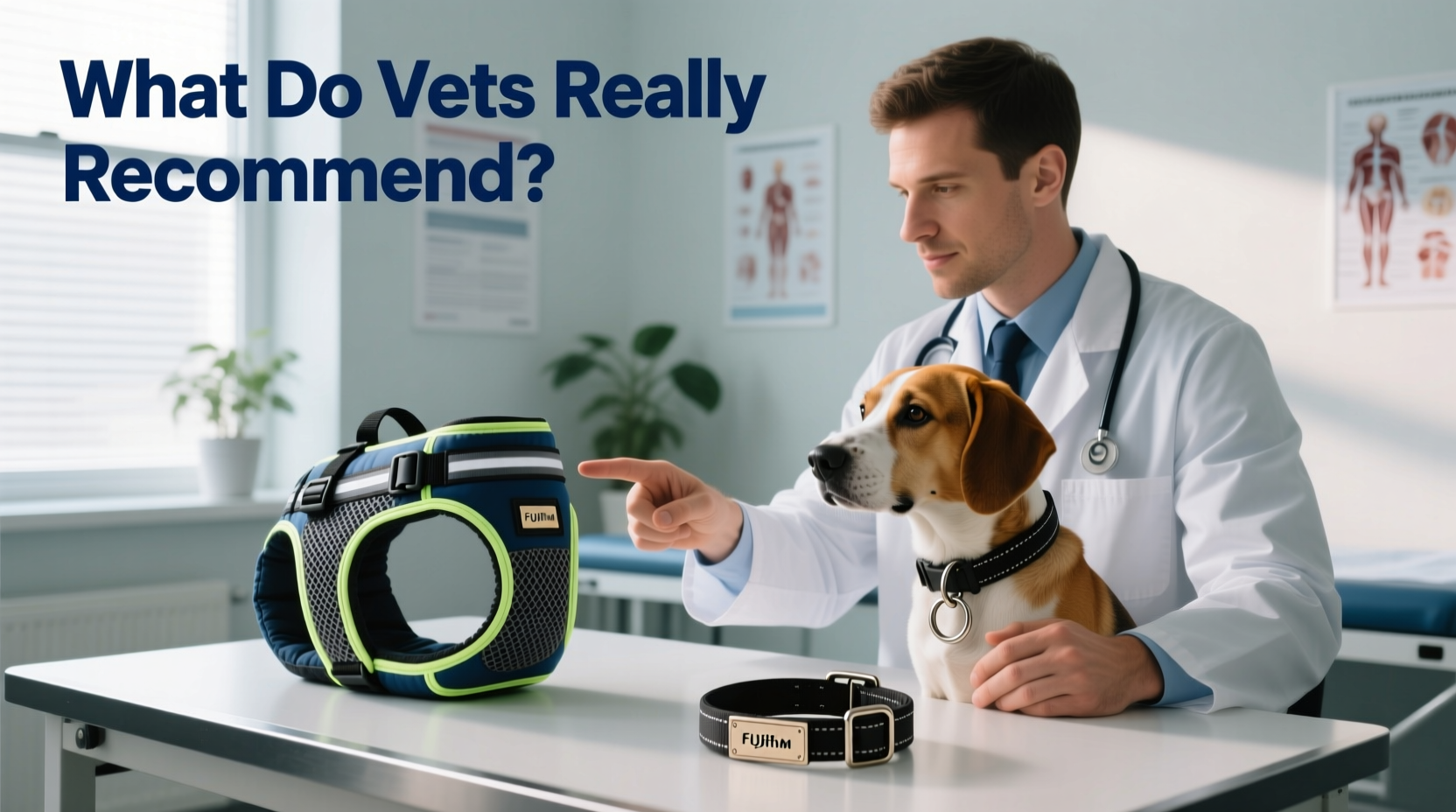
A dog's neck contains delicate structures—trachea, cervical vertebrae, nerves, and blood vessels—all of which can be affected by pressure from collars. Sudden jerks or sustained tension from traditional collars, especially during leash-pulling, can lead to injuries such as tracheal collapse, ocular damage, or spinal misalignment. Brachycephalic breeds (like Bulldogs or Pugs) are particularly vulnerable due to pre-existing respiratory challenges.
In contrast, a well-fitted harness distributes force across the chest and shoulders, reducing strain on the neck. However, not all harnesses are created equal. Some designs still allow excessive pulling or restrict natural movement, potentially affecting gait and shoulder mechanics over time.
“From a veterinary standpoint, we strongly discourage the use of aversive collars like prong or shock collars. Even standard flat collars can pose risks if dogs lunge frequently. Harnesses are generally safer, especially for young dogs, small breeds, or those with respiratory conditions.” — Dr. Lena Peterson, DVM, Veterinary Behavior Consultant
Types of Training Collars: Uses and Risks
Training collars encompass a broad category, ranging from everyday flat collars to specialized tools designed to manage pulling or correct behavior. Here’s a breakdown of common types:
- Flat Collars: Standard nylon or leather collars used for ID tags and light leashing. Suitable for well-trained dogs but risky for pullers.
- Choke Chains (Slip Chains): Metal collars that tighten when pulled. Can cause neck trauma and are widely discouraged by vets.
- Prong Collars: Metal collars with inward-pointing spikes. Intended to distribute pressure, but still apply pain-based correction. Not recommended for routine use.
- Head Halters: Devices like the Gentle Leader that guide the dog by the muzzle. Effective for control but require proper fitting and gradual introduction.
Dog Harnesses: Safety, Fit, and Functionality
Harnesses have gained popularity for good reason—they’re generally safer and more comfortable for dogs, especially during walks. But not every harness supports healthy movement or effective training.
There are three main types of harnesses:
- Back-clip harnesses: Leash attaches at the top of the back. Easy to use but may encourage pulling since dogs can lean forward without resistance.
- Front-clip harnesses: Leash connects at the chest. Redirects the dog toward the handler when they pull, making them ideal for training.
- Dual-clip harnesses: Offer attachment points on both back and front. Provide flexibility for transition training or controlled environments.
Veterinarians often recommend front-clip or dual-clip harnesses for dogs that pull, as they reduce strain and support positive reinforcement techniques. Proper fit is crucial: the harness should be snug but allow two fingers beneath any strap, with no rubbing or chafing.
Comparative Overview: Harness vs Training Collar
| Feature | Dog Harness | Training Collar |
|---|---|---|
| Neck Pressure | Low (force distributed) | High (concentrated on throat) |
| Pulling Control | Moderate to High (especially front-clip) | High (but often punitive) |
| Safety for Puppies | Recommended | Not recommended |
| Risk of Injury | Low (if properly fitted) | Moderate to High |
| Best For | Daily walks, training, small/brachycephalic breeds | Professional handling (with caution), temporary control |
| Vet Recommendation | Generally preferred | Limited or conditional use |
Real-World Example: Transforming a Reactive Walker
Consider Max, a two-year-old German Shepherd adopted from a shelter. He lunged at other dogs and pulled aggressively on walks. His owner initially used a standard flat collar, which caused coughing and discomfort. A vet referred them to a certified trainer who recommended switching to a front-clip harness combined with clicker training.
Over eight weeks, Max learned to walk calmly beside his handler using positive reinforcement. The harness redirected his momentum without pain, while treats rewarded attention and loose-leash behavior. After consistent practice, Max walked reliably on a back-clip harness and eventually a collar in low-distraction areas.
This case illustrates a key principle: equipment supports training, but doesn’t replace it. The right tool creates conditions for success, but lasting change comes from consistency and reward-based learning.
Step-by-Step Guide to Choosing the Right Gear
Follow this process to select equipment that aligns with veterinary recommendations and your dog’s needs:
- Assess your dog’s behavior: Does your dog pull, lunge, or try to escape? Are they fearful or reactive?
- Evaluate physical traits: Small breed? Deep-chested? Short-nosed? These factors influence safety and comfort.
- Select a humane option: Start with a well-fitted front-clip harness or head halter.
- Introduce gradually: Let your dog wear the gear indoors with treats to build positive associations.
- Train consistently: Use rewards to reinforce walking beside you. Avoid yanking or punishment.
- Monitor fit and function: Check for chafing weekly. Adjust straps as needed, especially in growing puppies.
- Consult a professional: If problems persist, seek help from a veterinarian or certified force-free trainer.
Frequently Asked Questions
Do vets recommend harnesses over collars for walking?
Yes, most veterinarians recommend harnesses for walking, especially for puppies, small dogs, brachycephalic breeds, or dogs prone to pulling. Harnesses reduce the risk of neck injury and provide better control without causing pain.
Are head halters cruel?
No, when used correctly, head halters like the Gentle Leader are not cruel. They are designed to guide, not punish. However, they must be introduced slowly and never used to jerk the dog’s head. Many vets and trainers endorse them for dogs with severe pulling or reactivity issues.
Can a harness stop my dog from pulling?
A front-clip harness can significantly reduce pulling by redirecting your dog’s momentum. However, it works best when paired with positive reinforcement training. Relying solely on equipment without training often leads to limited results.
Checklist: Choosing Safe, Vet-Approved Walking Gear
- ✅ Rule out prong, choke, or shock collars
- ✅ Choose a harness with adjustable straps for secure fit
- ✅ Opt for front-clip or dual-clip design if pulling is an issue
- ✅ Ensure no restriction around armpits or shoulders
- ✅ Allow two fingers between harness and dog’s body
- ✅ Introduce new gear with treats and short sessions
- ✅ Pair equipment with reward-based training
- ✅ Schedule a vet check if your dog shows discomfort or reluctance
Conclusion: Prioritizing Health, Trust, and Long-Term Success
The debate between dog harnesses and training collars ultimately centers on welfare. While certain collars may offer immediate control, veterinary experts overwhelmingly favor harnesses for routine use due to their safety and compatibility with modern, science-backed training methods. The goal isn’t just to manage behavior—it’s to build trust, prevent injury, and foster a joyful walking experience for both dog and owner.
💬 Ready to make the switch? Try a vet-recommended front-clip harness and pair it with 5 minutes of daily loose-leash training. Share your progress in the comments—your journey could inspire another dog owner to choose kindness over control.








