Bleeding gums in dogs are not just a minor inconvenience—they can signal underlying health problems that require prompt attention. While occasional pink-tinged drool might seem harmless, consistent or severe gum bleeding often points to periodontal disease, trauma, or even systemic conditions like kidney failure or poisoning. Understanding the root causes, recognizing early symptoms, and knowing when to act can make a critical difference in your dog’s long-term health and comfort.
Common Causes of Bleeding Gums in Dogs
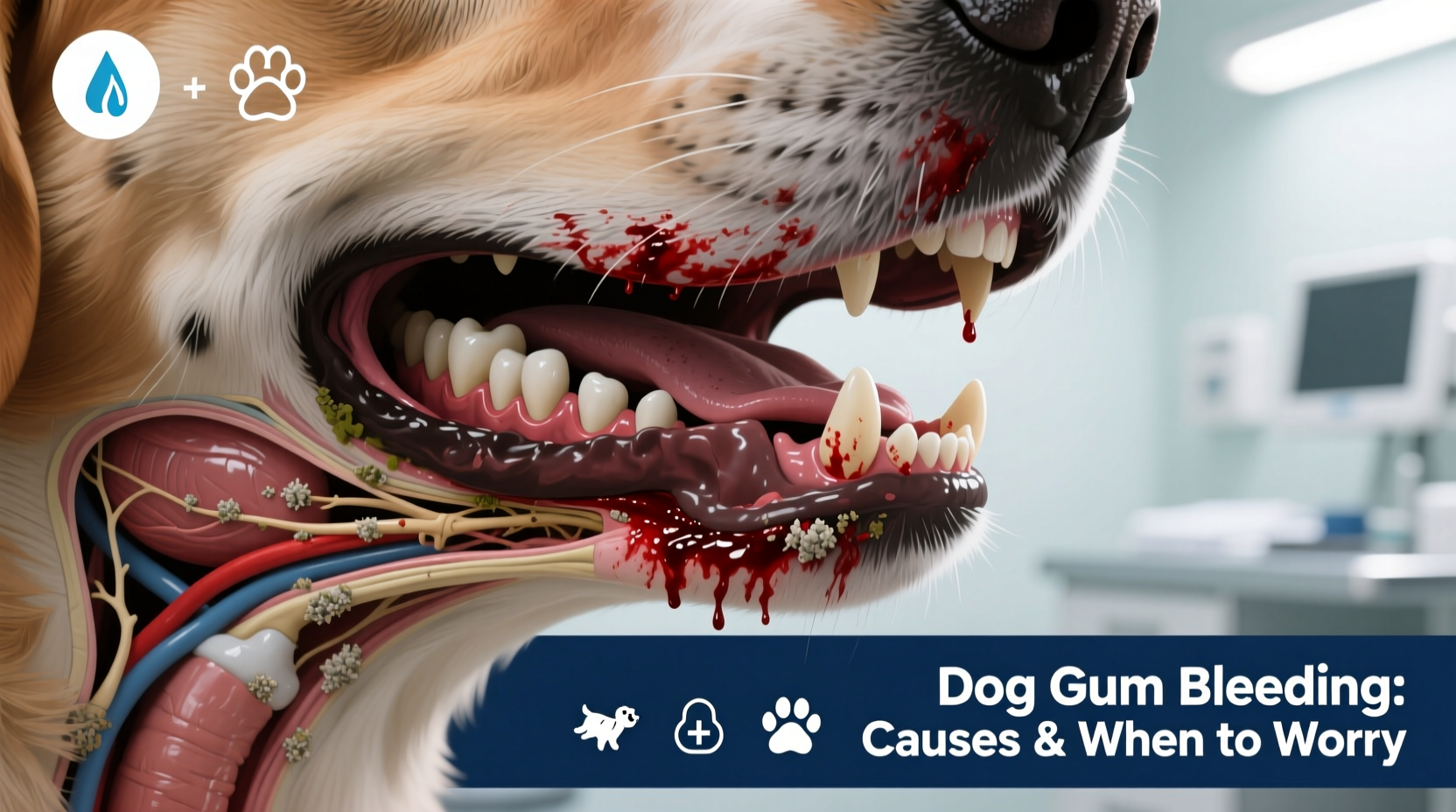
Dog gum bleeding rarely occurs without cause. The most frequent triggers range from preventable dental issues to serious internal diseases. Identifying the source is essential for effective treatment.
- Periodontal Disease: The leading cause of bleeding gums in dogs. Plaque buildup leads to gingivitis, which progresses to periodontitis—damaging gums, ligaments, and bone.
- Dental Trauma: Chewing on hard objects (bones, antlers, toys) can fracture teeth or tear gum tissue, resulting in bleeding.
- Foreign Objects: Sticks, bones, or plant material lodged between teeth or under the gumline can cause irritation and bleeding.
- Poor Oral Hygiene: Lack of regular brushing accelerates plaque and tartar accumulation, increasing gum inflammation.
- Nutritional Deficiencies: Severe vitamin C or K deficiency (rare in commercial diets) may impair clotting and gum integrity.
- Toxic Ingestion: Rodenticides (rat poison) interfere with blood clotting and are a medical emergency.
- Systemic Illnesses: Kidney disease, diabetes, autoimmune disorders, and certain cancers can manifest orally, including through bleeding gums.
- Oral Tumors: Both benign and malignant growths in the mouth can ulcerate and bleed.
Symptoms That Accompany Bleeding Gums
Bleeding alone may not always be obvious, especially if your dog grooms frequently. Watch for these associated signs:
- Bad breath (halitosis)
- Red, swollen, or receding gums
- Difficulty chewing or dropping food
- Excessive drooling, sometimes with blood
- Pawing at the mouth
- Loose or missing teeth
- Changes in eating behavior or appetite loss
- Facial swelling (in advanced cases)
In cases of toxicity or systemic illness, additional symptoms may include lethargy, vomiting, bruising on the skin, nosebleeds, or seizures.
When to Worry: Red Flags Requiring Immediate Care
Not all gum bleeding demands an emergency vet visit—but some situations do. Recognizing urgency can save your dog’s life.
“Bleeding gums combined with lethargy, bruising, or neurological signs should never be ignored. These could indicate poisoning or organ failure.” — Dr. Laura Simmons, DVM, Veterinary Dentistry Specialist
Seek immediate veterinary attention if your dog shows any of the following:
- Fresh blood in saliva or on toys/bedding – Especially if persistent or worsening.
- Unexplained bruising or other bleeding – Such as nosebleeds or blood in urine/stool.
- Swelling around the face or jaw – Could indicate abscess, tumor, or infection spread.
- Refusal to eat or drink – Suggests significant pain or discomfort.
- Signs of weakness, collapse, or disorientation – May point to toxin exposure or metabolic crisis.
Timeline: What Happens Without Treatment?
Untreated gum disease progresses rapidly:
| Stage | Timeframe | Effects |
|---|---|---|
| Gingivitis | Days to weeks | Reversible inflammation; red, tender gums that bleed easily. |
| Early Periodontitis | Weeks to months | Attachment loss begins; pockets form around teeth. |
| Moderate Periodontitis | Months | Deep pockets, bone loss, loose teeth, chronic pain. |
| Advanced Periodontitis | 6+ months untreated | Tooth loss, risk of systemic infection affecting heart, liver, kidneys. |
Diagnosis and Veterinary Evaluation
Vets use a combination of clinical exams and diagnostics to determine the cause of bleeding gums. During a consultation, expect:
- A full oral examination (often under sedation for accuracy)
- Dental X-rays to assess bone loss or abscesses
- Blood tests to rule out clotting disorders, kidney disease, or diabetes
- Urinalysis if systemic illness is suspected
- Biopsy of suspicious oral masses
If poisoning is suspected—especially rodenticide—a specific clotting time test (PT/PTT) will be performed urgently.
Step-by-Step: How to Respond When You Notice Bleeding Gums
- Stay Calm and Observe: Check your dog’s mouth gently. Note the location and severity of bleeding.
- Inspect Recent Behavior: Did they chew something unusual? Show signs of illness?
- Rinse Gently (If Safe): Use a diluted chlorhexidine solution or water to flush debris. Avoid hydrogen peroxide.
- Withhold Hard Foods: Offer soft food temporarily to reduce irritation.
- Contact Your Veterinarian: Even if bleeding stops, schedule an exam within 24–48 hours unless emergency signs are present.
- Follow Through: Attend recommended cleanings, follow medication protocols, and implement home care.
Prevention Checklist: Protecting Your Dog’s Gum Health
Proactive care is the best defense against gum disease and bleeding. Follow this routine:
- ✅ Brush teeth daily using enzymatic dog toothpaste
- ✅ Provide dental chews approved by the VOHC (Veterinary Oral Health Council)
- ✅ Schedule annual professional dental cleanings under anesthesia
- ✅ Avoid hard treats like real bones, antlers, and nylon chews
- ✅ Monitor for changes in breath, eating habits, or drooling
- ✅ Feed a balanced, high-quality diet
- ✅ Use water additives or dental diets if brushing isn’t possible
Mini Case Study: Max, the 7-Year-Old Beagle
Max had always been a picky eater, but his owner noticed he started dropping kibble and avoiding his favorite chew toy. One morning, she found red streaks in his water bowl. Concerned, she brought him to the vet. On examination, Max had severe tartar buildup, grade 3 periodontitis, and two abscessed molars. Dental X-rays revealed significant bone loss. After a professional cleaning, extractions, and antibiotics, Max recovered fully. His owner began daily brushing and switched to dental-friendly treats. Six months later, Max was eating confidently and no longer drooled blood.
This case highlights how subtle early signs can escalate quickly—and how timely intervention restores quality of life.
Frequently Asked Questions
Can I use human toothpaste to brush my dog’s teeth?
No. Human toothpaste contains fluoride and xylitol, both toxic to dogs. Always use veterinarian-approved pet toothpaste, which is safe to swallow and often flavored for acceptance.
Is it normal for puppies to have bleeding gums?
Some light bleeding is common during teething (around 3–6 months), especially when baby teeth fall out. However, excessive or prolonged bleeding, foul odor, or refusal to eat warrants a vet check to rule out infection or retained deciduous teeth.
How much does a dog dental cleaning cost?
Costs vary by region and complexity but typically range from $300 to $800. This includes pre-anesthetic bloodwork, anesthesia, scaling, polishing, X-rays, and extractions if needed. Pet insurance often covers part of the expense if enrolled before dental issues arise.
Conclusion: Take Action Before It’s Too Late
Bleeding gums in dogs are more than a cosmetic issue—they’re a warning sign. Whether stemming from neglected dental hygiene or a hidden systemic illness, ignoring them risks chronic pain, tooth loss, and even organ damage. The good news is that most causes are preventable or treatable when caught early. By staying vigilant, practicing daily oral care, and partnering with your veterinarian, you can ensure your dog maintains a healthy, pain-free mouth for years to come.
💬 Your dog’s health matters—share this guide with fellow pet owners and start a conversation about proactive dental care today.