Dogs love to chew—it’s instinctive, satisfying, and essential for dental health. But not all chew toys are created equal. In recent years, \"exquisite embroidery bones\" have gained popularity as stylish, handmade alternatives to traditional rubber or nylon dental chews. Often adorned with intricate stitching and soft fabrics, these plush toys appeal to pet owners who value aesthetics. However, when it comes to protecting your dog’s teeth and gums, appearance can be deceiving. The real question isn’t just about preference—it’s about safety. So, which option truly protects your dog’s oral health: the embroidered plush bone or the functional dental chew toy?
The Anatomy of Canine Chewing Habits
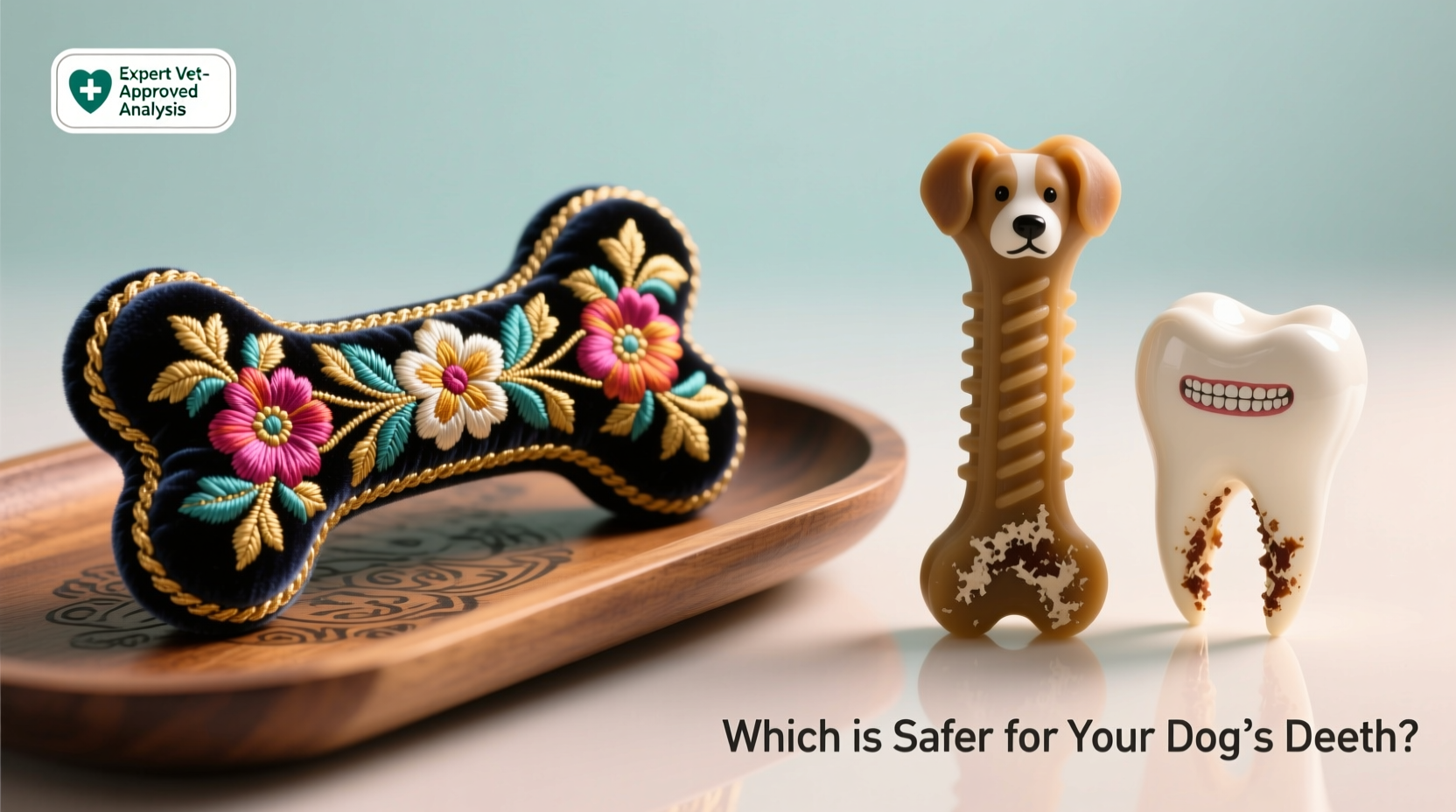
Dogs don’t chew merely out of boredom. Chewing serves multiple biological purposes: it relieves teething pain in puppies, reduces stress, satisfies natural foraging instincts, and—importantly—helps clean plaque from teeth. The force a dog exerts while chewing varies by breed and size. For example, a German Shepherd can generate over 230 pounds per square inch (PSI) of bite pressure, while smaller breeds like Chihuahuas average around 100 PSI. This means that any chew toy must withstand significant force without breaking into hazardous fragments.
Chewing also stimulates saliva production, which naturally helps neutralize acids and wash away food particles. But if the toy is too hard or too soft, it may do more harm than good. Too soft, and it disintegrates quickly—posing a choking risk. Too hard, and it risks fracturing teeth, especially molars used for grinding.
Tip: Always match the chew toy’s durability to your dog’s chewing intensity. Power chewers need tough, resilient materials.Exquisite Embroidery Bones: Style Over Substance?
Often marketed as “artisan,” “handcrafted,” or “designer” dog toys, embroidered bones are typically made from layers of fabric, felt, and cotton thread, sometimes reinforced with light padding. Their appeal lies in their visual charm—personalized names, floral patterns, and pastel colors make them popular gifts and Instagram-worthy accessories.
However, from a functional standpoint, these toys are better suited for light play than aggressive chewing. Most are not designed to endure prolonged gnawing. Threads unravel, stuffing escapes, and small parts can be swallowed. Once the embroidery begins to fray, sharp needle remnants or metal beads (used in some decorative elements) could pose internal injury risks.
Veterinary dentists caution against using plush toys as primary chew items. According to Dr. Sarah Lim, DVM, Diplomate AVDC: “Fabric-based toys offer no dental benefit and can become dangerous within hours of active chewing. I’ve removed fabric wads from dogs’ intestines after they ingested pieces of decorative toys.”
“Plush toys should be supervised play items, not chew substitutes. They lack the texture and resistance needed for dental care.” — Dr. Sarah Lim, Veterinary Dental Specialist
Dental Chew Toys: Engineered for Oral Health
In contrast, dental chew toys are specifically designed to promote oral hygiene. Made from durable rubber, nylon, or food-grade polymers, they feature ridges, nubs, and grooves that massage gums and scrape plaque off tooth surfaces. Brands like Kong, Nylabone, and Virbac produce chews approved by the Veterinary Oral Health Council (VOHC) for reducing tartar buildup.
These toys encourage prolonged chewing, which increases salivary flow and mechanical cleaning. Many are flavored with chicken or mint to entice dogs, making dental care feel like a treat. Importantly, high-quality dental chews are tested for tensile strength and digestibility (in the case of edible chews), minimizing risks of intestinal blockage.
Non-edible rubber chews, such as those from Kong, are flexible enough to avoid tooth fractures while being tough enough to resist shredding. They’re ideal for moderate to aggressive chewers and can last weeks or even months with proper use.
Comparative Safety Analysis: Key Differences
| Feature | Embroidery Bone (Plush) | Dental Chew Toy (Rubber/Nylon) |
|---|---|---|
| Material Safety | Fabric, thread, stuffing – potential ingestion hazard | Non-toxic rubber/nylon – safe if small pieces break off |
| Dental Benefit | None – too soft to clean teeth | High – textured surfaces reduce plaque and tartar |
| Durability | Low – unravels quickly with heavy chewing | High – resistant to strong jaws and repetitive use |
| Choking Risk | High – loose threads, stuffing, decorations | Low – solid construction; VOHC-approved designs |
| Supervision Required | Mandatory – not safe for unsupervised use | Recommended initially, but generally safe alone |
| Lifespan | Days to a week (for active chewers) | Weeks to months |
Real-World Example: Max the Labrador’s Experience
Max, a 2-year-old Labrador Retriever, received an embroidered bone as a birthday gift. His owner, impressed by the craftsmanship, let him play with it unsupervised. Within two hours, Max had torn open the seam, eaten the polyfill stuffing, and swallowed a small metal bead from the decorative tag. He developed vomiting and lethargy by evening. An X-ray revealed a foreign body obstruction requiring surgery.
After recovery, Max’s vet recommended switching to a VOHC-approved dental chew. Within three months of daily use, his annual dental exam showed a 40% reduction in tartar compared to the previous year. His owner now uses plush toys only during short, monitored play sessions—and keeps dental chews readily available.
How to Choose the Safest Chew Option: A Step-by-Step Guide
- Assess your dog’s chewing style: Is your dog a gentle nibbler or a power chewer? Tailor toy hardness accordingly.
- Avoid toys harder than teeth: If you can’t indent it with your fingernail, it may be too hard. Avoid antlers, bones, and hooves.
- Look for VOHC approval: Check packaging or websites for the Veterinary Oral Health Council seal.
- Inspect for loose parts: Ensure no buttons, beads, or weak stitching that could detach.
- Start with supervision: Monitor your dog’s first few interactions with any new chew.
- Replace worn toys: Discard chews with deep cracks, sharp edges, or broken pieces.
FAQ: Common Questions About Dog Chew Safety
Can dogs choke on dental chew toys?
High-quality dental chews are designed to resist breaking into small, swallowable pieces. However, very small dogs should use appropriately sized chews. Always choose the right size for your dog and inspect toys regularly for wear.
Are edible dental chews safe?
Yes, if they’re made from digestible, natural ingredients and sized correctly. Look for brands with veterinary endorsements. Avoid chews with artificial preservatives or fillers that may upset digestion.
Is it okay to give my dog both types of toys?
Yes—but with clear distinction. Use plush embroidered bones only for supervised play or cuddling. Reserve dental chews for independent chewing sessions aimed at oral health.
Final Verdict: Prioritize Function Over Fashion
While embroidered bone toys may win points for cuteness, they fall short in safety and functionality. For actual dental protection and long-term well-being, dental chew toys are the superior choice. They’re engineered to support oral hygiene, withstand intense chewing, and minimize health risks.
That doesn’t mean you must eliminate plush toys entirely. Instead, reframe their role: as comfort objects or interactive play tools, not chew replacements. When it comes to preserving your dog’s teeth and avoiding emergency vet visits, choosing science-backed dental chews isn’t just smart—it’s responsible.
💬 Your dog’s smile matters. Share this guide with fellow pet owners and help spread awareness about chew toy safety. Have a story about a toy mishap or success? Leave a comment below—we’d love to hear from you.








