
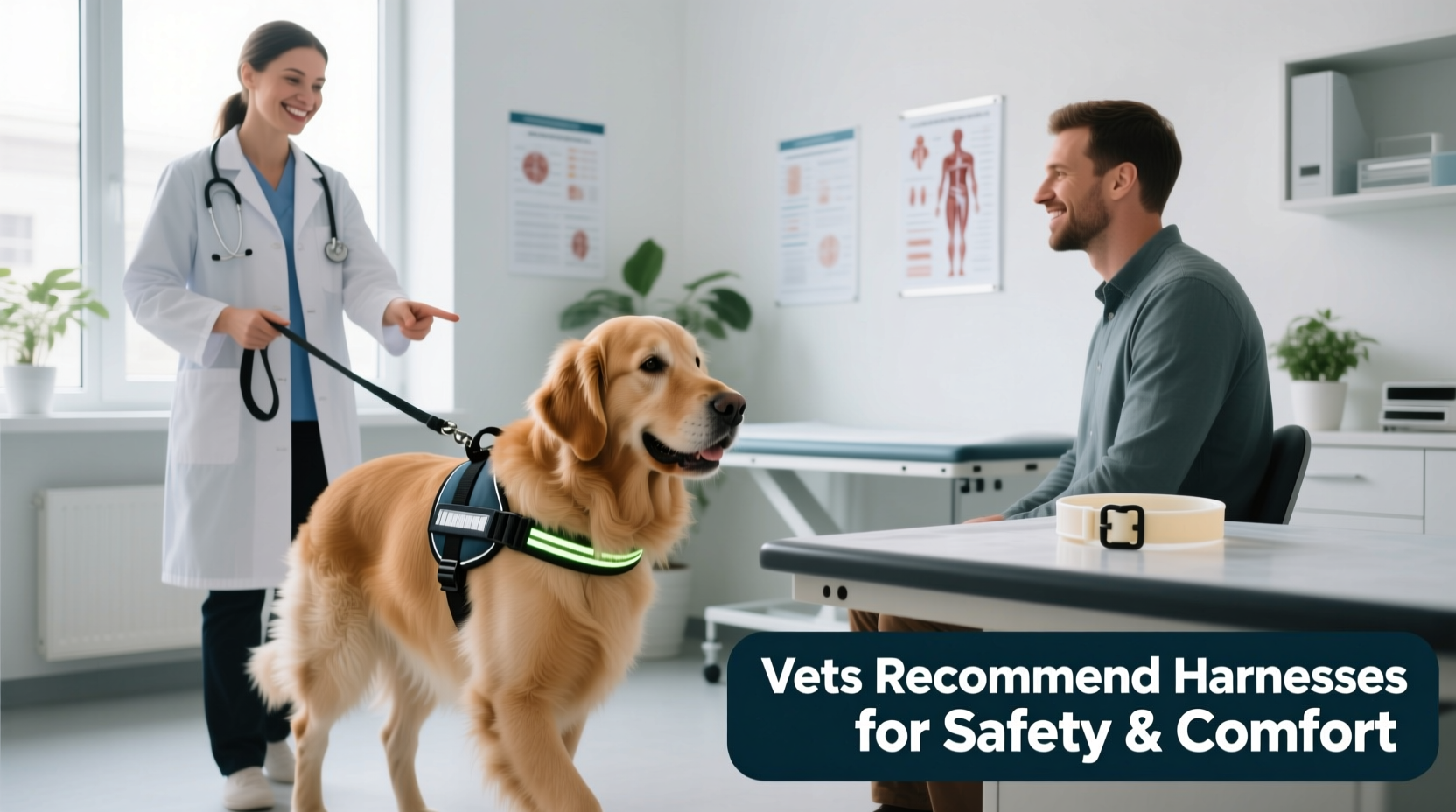
When it comes to walking your dog, the choice between a collar and a harness isn’t just about style—it’s a decision that impacts your pet’s health, behavior, and long-term well-being. Veterinarians and animal behaviorists increasingly weigh in on this debate, emphasizing that not all dogs benefit equally from traditional collars. While collars have been the default for decades, modern research and clinical observations point toward harnesses as the safer, more humane option—especially for certain breeds and temperaments.
The truth is, there’s no one-size-fits-all answer. The best choice depends on your dog’s breed, size, age, health, and walking behavior. But when experts are asked which they personally use or recommend for routine walks, the majority lean heavily toward harnesses—particularly for dogs prone to pulling, respiratory issues, or tracheal sensitivity.
Why Neck Pressure Matters: The Science Behind the Recommendation
A dog’s neck contains vital structures: the trachea, cervical spine, thyroid glands, and major blood vessels like the jugular vein and carotid artery. When a dog pulls against a collar, pressure can spike dramatically—sometimes exceeding 500 pounds per square inch during sudden lunges. This force can lead to tracheal collapse, spinal misalignment, eye pressure increases (a risk for glaucoma), and even nerve damage over time.
Veterinary studies confirm these risks. A 2020 study published in *Veterinary Record* found that dogs walked with collars showed significantly higher intraocular pressure than those using harnesses—raising concerns for dogs predisposed to eye conditions. Another clinical review in the *Journal of Small Animal Practice* highlighted cases of laryngeal paralysis and collapsed tracheas linked to chronic collar use in small breeds like Pomeranians and Yorkshire Terriers.
“Repeated strain on the neck from collar-based walking can cause long-term structural and neurological issues, especially in brachycephalic and toy breeds.” — Dr. Lena Torres, DVM, Veterinary Behavior Specialist
Collar vs Harness: A Detailed Comparison
To understand why many veterinarians favor harnesses, it helps to compare both options across key criteria. Below is a breakdown of advantages and drawbacks based on veterinary consensus and biomechanical research.
| Feature | Dog Collar | Dog Harness |
|---|---|---|
| Pressure Distribution | Concentrated on neck and throat | Spread across chest and shoulders |
| Safety for Pulling Dogs | High risk of injury | Much safer; reduces strain |
| Escape Risk | Higher, especially for slip-neck or narrow-headed breeds | Lower with secure fit (e.g., front-clip designs) |
| Tracheal Protection | Poor; direct pressure on windpipe | Excellent; no neck compression |
| Ease of Use | Simple to put on | May require adjustment; some take getting used to |
| ID Tag Attachment | Standard and convenient | Some models lack tag loops; may need secondary collar |
| Vet Recommendation for Walks | Rarely recommended as primary walking tool | Strongly preferred by most vets |
When Vets Recommend a Harness
Most veterinarians agree: harnesses are the superior choice for daily walks, particularly in the following situations:
- Dogs that pull – Harnesses reduce leverage and discourage forward lunging.
- Small or toy breeds – Breeds like Chihuahuas, Pugs, and Shih Tzus are prone to tracheal collapse.
- Brachycephalic dogs – Bulldogs, Boston Terriers, and Pekingese already struggle with breathing; neck pressure worsens this.
- Puppies – Young dogs are still developing musculoskeletal systems; harnesses prevent spinal stress during training.
- Dogs with existing health issues – Including heart disease, glaucoma, or neck injuries.
Front-clip harnesses, which attach the leash to the chest rather than the back, are often recommended because they redirect the dog’s momentum when they pull, making training easier and reducing strain on both pet and owner.
Real-World Example: Max the Pug
Max, a 3-year-old Pug from Denver, was brought to a veterinary clinic with chronic coughing and exercise intolerance. His owners used a standard nylon collar for walks, and Max often pulled ahead excitedly. After ruling out infection, the vet performed an X-ray and diagnosed early-stage tracheal collapse—likely exacerbated by repeated collar pressure.
The vet immediately recommended switching to a no-pull front-clip harness. Within three weeks of consistent harness use and reduced walk intensity, Max’s coughing decreased significantly. His owners also enrolled him in positive-reinforcement leash training. Six months later, follow-up imaging showed stabilization of his trachea. “We had no idea the collar was hurting him,” his owner said. “Switching to the harness was the best decision we made for Max.”
When a Collar Might Be Acceptable
While harnesses dominate veterinary recommendations for walking, collars still have a place—but not as the primary control device during walks. Vets generally accept collars for:
- Holding ID and vaccination tags
- Light supervision in secure areas (e.g., backyard)
- Dogs that don’t pull and are low-risk for respiratory or spinal issues
However, even in these cases, many vets advise using a harness for any activity involving a leash—whether it’s a neighborhood stroll, a vet visit, or a trip to the groomer. As Dr. Alicia Nguyen, a board-certified veterinary surgeon, puts it: “A collar should identify your dog, not restrain them.”
Choosing the Right Harness: A Buyer’s Checklist
Not all harnesses are created equal. To ensure safety and comfort, use this checklist before purchasing:
- Fits snugly but allows two fingers beneath straps – Prevents chafing and escape.
- Adjustable chest and girth straps – Ensures proper fit as your dog moves.
- Leash attachment at the front (chest) or back – Front clips help manage pullers; back clips suit well-trained dogs.
- No rubbing under armpits – Poorly designed harnesses can cause sores.
- Quick-snap buckles – For easy on/off, especially helpful for older dogs or anxious pets.
- Reflective stitching for visibility – Important for evening walks.
- Machine-washable material – Maintains hygiene without degradation.
Frequently Asked Questions
Can I use both a collar and a harness?
Yes—and many vets recommend it. Use the harness for walking and keep a lightweight collar with ID tags on at all times. This way, your dog is always identifiable, even if the harness comes off.
Do harnesses encourage pulling?
Back-clip harnesses can sometimes give strong dogs more leverage to pull. That’s why front-clip harnesses are preferred for training. They turn the dog’s momentum into a redirection, naturally discouraging forward pressure.
Are there dogs that shouldn’t wear harnesses?
Rarely. Most dogs adapt well. However, dogs with recent abdominal surgery or severe shoulder injuries may need temporary modifications. Always consult your vet if your dog has a medical condition affecting mobility or comfort.
Final Thoughts: What You Should Do Today
The overwhelming consensus among veterinary professionals is clear: for routine walks, a well-fitted harness is safer and more humane than a collar. While collars remain useful for identification, they should not be relied upon for control during leash activity—especially for dogs that pull, are small in stature, or have preexisting health concerns.
The shift toward harnesses reflects a broader evolution in pet care: one rooted in empathy, biomechanics, and preventive medicine. By choosing a harness, you’re not just managing a walk—you’re protecting your dog’s long-term health, improving training outcomes, and strengthening your bond through safer, more comfortable experiences.
💬 Your dog deserves the safest walk possible. Evaluate your current gear, consult your vet, and consider making the switch to a vet-recommended harness today. Share your experience or questions in the comments—your story could help another pet parent make a life-changing choice.








