For decades, the dog collar has been the default choice for walking and identifying pets. But in recent years, harnesses have surged in popularity—driven by claims of improved safety, reduced strain, and better control. With so many options on the market and strong opinions on both sides, pet owners are left wondering: are harnesses truly superior, or is the trend simply overblown?
The truth lies somewhere in the middle. While harnesses offer undeniable benefits in certain situations, collars still serve a vital role for many dogs. The real answer depends on your dog’s breed, behavior, health, and lifestyle.
Understanding the Basics: How Collars and Harnesses Work
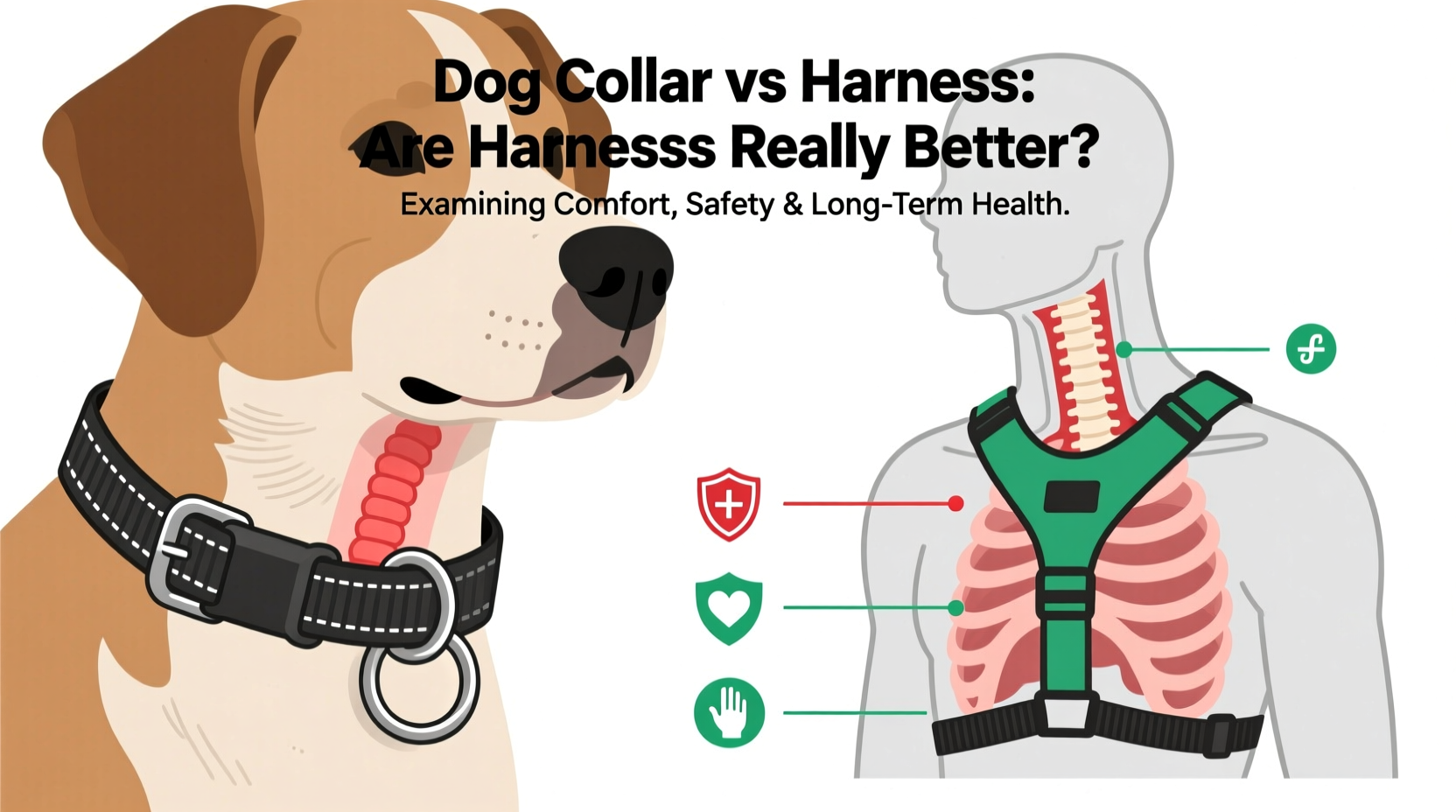
A traditional dog collar wraps around the neck and typically attaches to a leash via a metal ring. It's used for identification tags, licensing, and everyday walks. However, when a dog pulls, the pressure concentrates on the trachea, spine, and delicate structures in the neck.
In contrast, a harness distributes force across the dog’s chest, shoulders, and torso. This design reduces strain on the neck and gives the handler more control, especially with strong or excitable dogs. Modern harnesses come in various styles—front-clip, back-clip, no-pull, and vest-style—each serving different purposes.
Tip: Never use a collar for dogs that pull heavily during walks—repeated pressure can lead to chronic respiratory or spinal issues.Safety First: Health Risks of Neck Pressure
Dogs are not built to withstand sustained pressure on their necks. The canine trachea is made of cartilage rings, which can collapse or become inflamed under repeated stress. Conditions like tracheal collapse are common in small breeds such as Pomeranians, Chihuahuas, and Yorkshire Terriers—especially those walked regularly on collars.
Veterinary experts warn that even brief episodes of pulling can cause microtrauma. Over time, this may contribute to:
- Tracheal damage
- Cervical spine misalignment
- Glaucoma or increased intraocular pressure (from restricted blood flow)
- Laryngeal paralysis in susceptible breeds
“Dogs that pull on collars are at risk for long-term neurological and respiratory complications. A well-fitted harness significantly reduces these risks.” — Dr. Laura Bennett, DVM, Canine Rehabilitation Specialist
When Harnesses Shine: Scenarios That Demand One
Not every dog needs a harness, but certain situations make one essential:
- Puppies in training: Young dogs are still learning leash manners. A front-clip harness gently discourages pulling without harming developing joints.
- Breed predispositions: Brachycephalic breeds (like Bulldogs and Pugs) and toy breeds benefit from reduced neck pressure due to existing airway vulnerabilities.
- Reactive or strong dogs: Large or powerful breeds (e.g., Huskies, German Shepherds) exert tremendous force. A harness offers better leverage and control.
- Medical conditions: Dogs with arthritis, neck injuries, or respiratory issues should avoid collars during walks.
- Hiking or adventure activities: For off-leash exploration or rugged terrain, a secure harness with multiple attachment points is safer.
Mini Case Study: Max the Pulling Labrador
Max, a two-year-old Labrador Retriever, would lunge forward every time he saw another dog. His owner used a standard collar, resulting in frequent choking episodes and hoarseness. After switching to a front-clip no-pull harness, Max’s pulling decreased by 70% within three weeks. His vet confirmed improved breathing patterns and reduced coughing. The harness didn’t fix the behavior alone—it was paired with consistent training—but it removed a major physical barrier to progress.
Collars Aren’t Obsolete: Their Practical Advantages
Despite the growing preference for harnesses, collars remain important. They’re lightweight, easy to put on, and ideal for holding ID tags and rabies licenses—legal requirements in most areas. Some key advantages include:
- Faster to use for quick bathroom breaks
- Less bulky for indoor wear
- Necessary for certain training cues (e.g., “sit” or “stay” commands where a light neck cue is used)
- Preferred by some service dogs who need unobstructed shoulder movement
Many responsible trainers recommend using both: a collar for ID and a harness for walks. This dual approach combines safety with compliance and convenience.
Choosing the Right Option: A Comparison Table
| Feature | Collar | Harness |
|---|---|---|
| Neck pressure | High (especially when pulling) | Low to none |
| Control level | Moderate | High (especially front-clip) |
| Comfort for long walks | Lower (can chafe or restrict breathing) | Higher (distributes weight evenly) |
| Ease of use | Very easy | Varies (some require threading legs) |
| Suitability for pullers | Poor | Excellent |
| ID tag holder | Yes (standard) | Rarely (unless added) |
| Risk of escape | Low (if properly fitted) | Varies (slip-out risk with poor fit) |
How to Choose the Best Option for Your Dog: A Step-by-Step Guide
Selecting between a collar and harness doesn’t have to be complicated. Follow this process to make an informed decision:
- Assess your dog’s behavior: Does your dog pull, lunge, or bark excessively on walks? If yes, start with a harness.
- Consider breed and anatomy: Small, flat-faced, or deep-chested dogs are more vulnerable to neck injury—prioritize a harness.
- Evaluate health history: Dogs with past neck, back, or breathing issues should avoid collar-only walks.
- Test fit and comfort: Whether choosing a collar or harness, ensure you can fit two fingers beneath it. Check for rubbing or restriction.
- Use both if needed: Many owners successfully use a collar for ID and a harness for walking—this is often the optimal solution.
Common Misconceptions About Harnesses
Despite their benefits, harnesses aren’t a magic fix. Several myths persist:
- Myth: All harnesses prevent pulling.
Reality: Only front-clip designs redirect pulling. Back-clip harnesses can actually encourage it by acting like a sled. - Myth: Harnesses are only for small dogs.
Reality: Large, powerful breeds often benefit the most from proper harness use. - Myth: Harnesses cause shoulder problems.
Reality: Poorly designed or ill-fitting harnesses may restrict stride, but well-made ones support natural movement.
FAQ
Can I use a harness every day?
Yes, as long as it fits well and is removed periodically to check for skin irritation. Never leave a harness on unsupervised for extended periods.
Should my dog wear a collar under the harness?
It’s recommended to keep a collar with ID tags underneath or separately. In case the harness slips off, your dog remains identifiable.
Do service dogs use harnesses?
Service dogs often use specialized harnesses for tasks, but they may also wear collars for identification. The choice depends on the dog’s role and training protocol.
Final Checklist: Choosing Between Collar and Harness
- ✅ Is your dog a puller? → Use a harness
- ✅ Does your dog have breathing or neck issues? → Use a harness
- ✅ Do you need to display ID tags? → Keep a collar
- ✅ Is your dog calm and well-trained? → Collar may suffice for short walks
- ✅ Are you hiking or in crowded areas? → Harness provides better control
- ✅ Have you tested the fit? → Ensure no chafing or restriction
Conclusion: Beyond the Hype—Making an Informed Choice
The debate between dog collars and harnesses isn’t about declaring one universally better. It’s about matching the tool to the dog. Harnesses offer real, science-backed advantages in safety and comfort—especially for pullers, puppies, and breeds prone to neck injury. But collars still play a crucial role in identification and everyday management.
The smartest approach? Combine both. Use a well-fitted harness for walks and outdoor activities, and keep a lightweight collar with up-to-date tags for visibility and legal compliance. By understanding your dog’s unique needs, you can move beyond trends and make choices that support their long-term health and happiness.
💬 What works best for your dog? Share your experience with collars and harnesses in the comments—your insights could help another pet owner make a safer choice today.








