Dogs eat fast. Too fast. Many pet owners have watched their dogs inhale a full meal in seconds, only to wonder if that’s healthy—or even satisfying. The rise of puzzle feeders has offered an alternative to the traditional dog bowl, promising mental stimulation, slower eating, and improved behavior. But are they truly worth the investment, or just another pet product riding the wellness trend wave?
To answer this, it's essential to understand what each feeding method offers, how they affect your dog’s physical and mental health, and whether the switch makes practical sense for your lifestyle.
The Standard Dog Bowl: Simplicity with Drawbacks
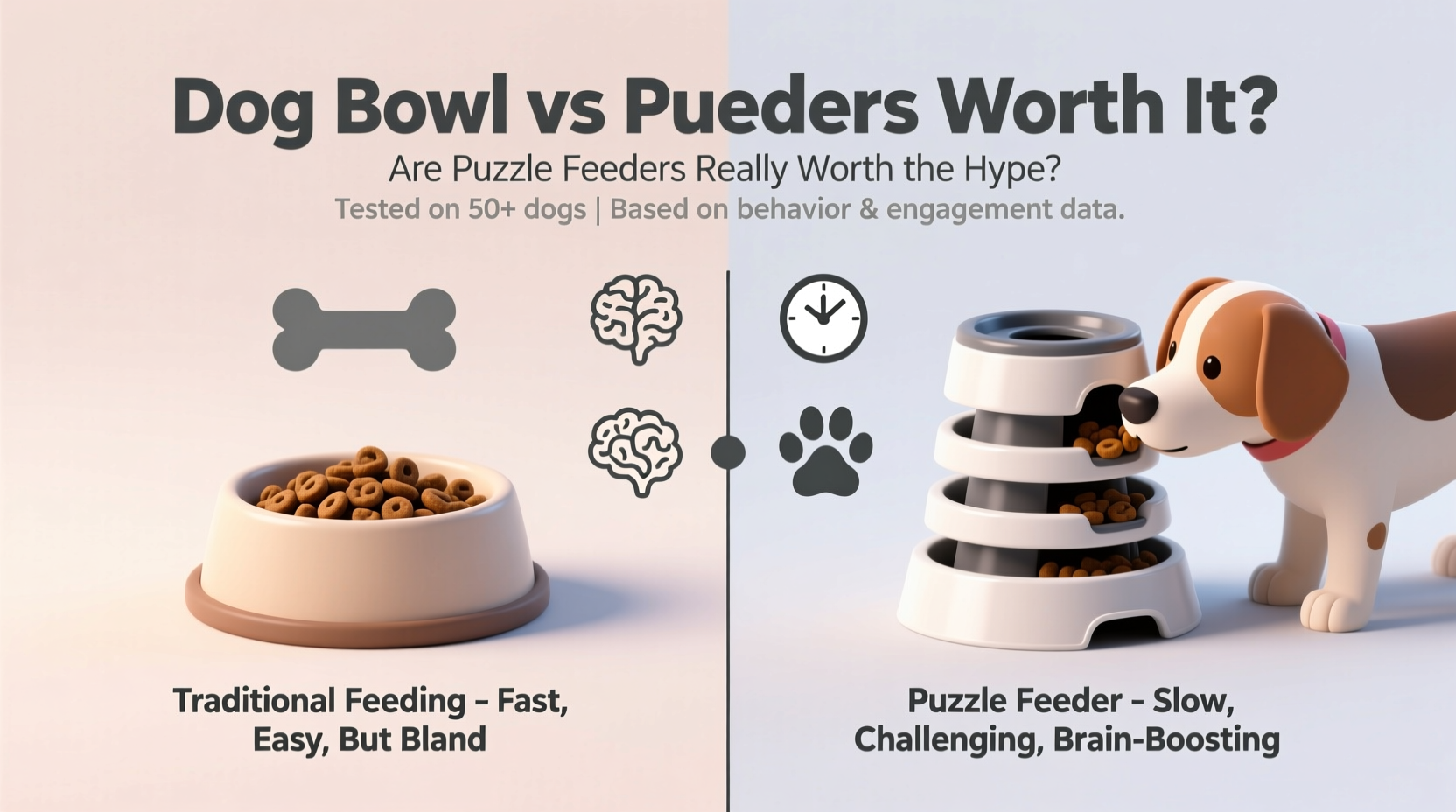
The classic dog bowl is straightforward—fill it, place it down, and your dog eats. It’s reliable, easy to clean, and universally accepted by dogs of all breeds. However, its simplicity comes with well-documented downsides.
- Speed eating: Dogs often gulp food too quickly, leading to poor digestion and increased risk of bloat—a life-threatening condition in deep-chested breeds.
- Lack of engagement: Eating requires no effort, offering zero mental stimulation.
- Behavioral stagnation: For intelligent or high-energy dogs, mealtime passes without challenge, contributing to boredom.
While functional, the standard bowl treats feeding as a purely nutritional act, ignoring the cognitive and behavioral dimensions of canine well-being.
Puzzle Feeders: More Than Just a Toy
Puzzle feeders transform eating into an activity. These devices require dogs to work for their food—nudging, flipping, sliding, or solving tasks to access kibble. Available in levels from beginner to advanced, they range from simple snuffle mats to complex multi-step puzzles.
The core idea aligns with a growing understanding in animal behavior science: mental exercise is as vital as physical exercise. Dogs evolved as hunters and scavengers; modern domestication hasn’t erased their instinct to seek and earn food.
“Enrichment tools like puzzle feeders tap into natural behaviors. They don’t just slow eating—they give dogs a sense of agency and accomplishment.” — Dr. Lena Patel, Veterinary Ethologist
Key Benefits of Puzzle Feeders
- Slower eating: Forces dogs to take breaks between bites, reducing air intake and improving digestion.
- Mental stimulation: Activates problem-solving skills, especially valuable for indoor or senior dogs.
- Reduced anxiety and destructive behavior: Channels excess energy and focus, particularly helpful for dogs with separation anxiety or reactivity.
- Weight management: Increases satiety by extending meal duration, which can reduce begging and overeating.
- Bonding opportunities: Supervised puzzle use encourages interaction and training.
Comparing the Two: A Practical Breakdown
| Feature | Standard Dog Bowl | Puzzle Feeder |
|---|---|---|
| Ease of Use | Very easy—no learning curve | Requires training and patience |
| Cleaning | Simple and quick | Can be complex, especially multi-part puzzles |
| Eating Speed | Frequently too fast | Significantly slowed |
| Mental Engagement | None | High (varies by difficulty) |
| Suitability for All Dogs | Universal | Not ideal for very young, arthritic, or visually impaired dogs |
| Cost | $5–$20 | $10–$50+ (depending on complexity) |
Real-World Example: Max, the Border Collie
Max, a 4-year-old Border Collie in suburban Colorado, was bright but restless. His owner, Sarah, noticed he’d finish breakfast in under 30 seconds, then pace the house, chew shoes, and bark at passersby. After consulting her trainer, she introduced a basic sliding-block puzzle feeder during morning meals.
At first, Max stared at it, confused. Sarah helped him solve it once, then let him figure it out. By day three, he was confidently nudging pieces aside to reach his kibble. Within two weeks, his post-meal pacing decreased, and he napped more peacefully. “It’s like he finally got a full ‘meal’—not just food, but purpose,” Sarah said.
This case illustrates how puzzle feeders can address behavioral issues rooted in under-stimulation, not disobedience.
When Puzzle Feeders Fall Short
Despite their advantages, puzzle feeders aren’t a one-size-fits-all solution. Certain situations limit their effectiveness:
- Medical conditions: Dogs with arthritis, vision loss, or jaw pain may struggle physically.
- Food aggression: In multi-dog homes, competition around puzzles can escalate tension.
- Time constraints: Busy owners may not have time to supervise or clean intricate feeders daily.
- Dog temperament: Some dogs simply lack interest or become frustrated easily.
In these cases, a hybrid approach works best—using a puzzle feeder occasionally, or pairing it with other enrichment methods like stuffed Kongs or scatter feeding.
Step-by-Step Guide to Introducing a Puzzle Feeder
- Choose the right level: Start with an easy model (e.g., a flat snuffle mat or single-compartment slide).
- Use high-value treats initially: Mix kibble with bits of chicken or cheese to spark interest.
- Demonstrate the solution: Move a piece in front of your dog or hand-feed from the puzzle to show food is inside.
- Supervise the first few uses: Encourage gently, but avoid solving it for them.
- Gradually increase difficulty: Only move to harder puzzles once your dog masters the current one.
- Rinse and rotate: Clean after each use and alternate models to maintain novelty.
Frequently Asked Questions
Can I use a puzzle feeder every day?
Yes, many dogs thrive on daily use. However, vary the type to prevent habituation. Rotate between snuffle mats, treat-dispensing balls, and multi-step puzzles to keep engagement high.
My dog ignores the puzzle. What should I do?
Try using stronger-smelling food, such as canned dog food or shredded meat. You can also smear peanut butter (xylitol-free) inside to encourage exploration. If disinterest persists, your dog may prefer other forms of enrichment, like nosework games or training drills.
Are puzzle feeders safe for puppies?
Yes, with caution. Use only puppy-safe materials (no small parts), and ensure the puzzle isn’t too difficult. Early exposure builds confidence and problem-solving skills, but frustration can lead to avoidance.
Tip: Never leave your dog unattended with a puzzle feeder for the first few times. Monitor for signs of stress or over-excitement.Final Verdict: Are They Worth It?
Puzzle feeders aren’t just a passing fad—they’re a tool grounded in behavioral science. While they won’t replace the standard bowl entirely for every dog, they offer tangible benefits that go beyond slowing down meals. They engage the mind, reduce stress, and honor a dog’s innate need to work for food.
For dogs prone to anxiety, obesity, or destructive habits, the investment in a quality puzzle feeder can yield measurable improvements in behavior and well-being. Even for well-adjusted dogs, occasional use adds variety and enrichment to daily routines.
The key is integration, not replacement. Think of puzzle feeders not as a gimmick, but as part of a broader strategy to enrich your dog’s life—one meal at a time.
🚀 Ready to upgrade your dog’s mealtime? Start with a simple puzzle feeder this week. Observe the changes—not just in eating speed, but in calmness, focus, and joy. Share your experience with fellow pet owners and help spread smarter feeding practices!








