
When your veterinarian recommends a blood test for your dog, it’s natural to feel concerned—not just about your pet’s health, but also about the cost. Blood work is a crucial diagnostic tool, yet many pet owners are surprised by how quickly expenses add up. Understanding why these tests cost what they do—and what exactly you’re paying for—can ease anxiety and help you make informed decisions about your dog’s care.
Why Are Dog Blood Tests So Expensive?
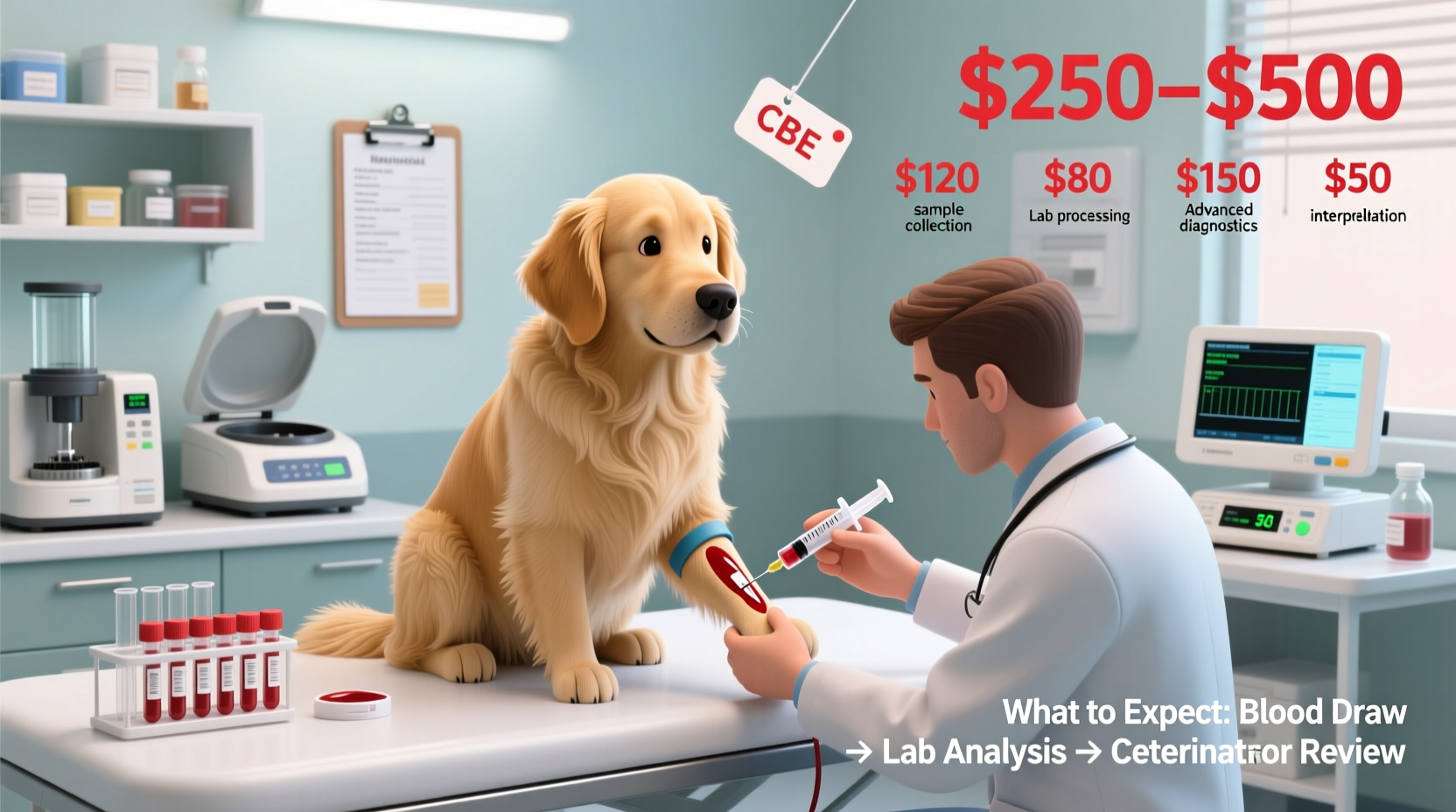
Dog blood tests can range from $100 to over $500, depending on the type of panel, geographic location, and veterinary clinic. While this may seem steep compared to human lab costs, several factors contribute to the price:
- Laboratory equipment and maintenance: Veterinary clinics either operate in-house labs or outsource to specialized animal diagnostic facilities. Both require high-end analyzers, refrigeration, and calibration tools that demand regular investment.
- Trained personnel: Skilled technicians and veterinarians must draw blood safely, handle samples correctly, and interpret results accurately.
- Specialized reagents: Unlike human medicine, veterinary diagnostics use smaller-batch reagents tailored to various species and breeds, increasing per-unit costs.
- Overhead and staffing: Clinic rent, utilities, insurance, and staff salaries all factor into service pricing.
- Urgency and complexity: Emergency testing, advanced panels (like thyroid or infectious disease screening), or repeat testing for monitoring chronic conditions increase labor and material use.
“Pet diagnostics aren’t mass-produced like human labs. We’re dealing with diverse species, limited supply chains, and urgent clinical needs—all of which affect cost.” — Dr. Lena Patel, DVM, Internal Medicine SpecialistTip: Ask if your vet offers wellness plans or payment options. Some clinics bundle annual blood work into preventive care packages at a reduced rate.
Common Types of Canine Blood Tests and Their Typical Costs
Not all blood tests are created equal. The scope and purpose determine both the price and the information gained. Here’s a breakdown of common canine blood panels:
| Test Type | Description | Average Cost |
|---|---|---|
| Complete Blood Count (CBC) | Measures red and white blood cells, platelets, and hemoglobin; detects anemia, infection, or inflammation. | $60–$120 |
| Blood Chemistry Panel | Evaluates organ function (liver, kidneys), electrolytes, glucose, and protein levels. | $80–$150 |
| Thyroid (T4) Test | Checks for hypothyroidism, common in middle-aged to older dogs. | $50–$100 |
| Comprehensive Panel (CBC + Chemistry + T4) | Full baseline health screen, often used for senior dogs or pre-anesthetic evaluation. | $150–$300 |
| Infectious Disease Testing (e.g., Lyme, Ehrlichia, Anaplasma) | Species-specific antibody or PCR tests, especially in tick-prone areas. | $80–$150 per test |
| Advanced Endocrine Testing (e.g., ACTH Stimulation) | Used to diagnose Cushing’s or Addison’s disease; requires multiple blood draws. | $200–$500 |
Additional fees may apply for blood draw ($20–$50), sedation (if needed), and interpretation time. Always request an itemized estimate before proceeding.
What to Expect During Your Dog’s Blood Testing Appointment
The process is typically quick and minimally invasive, but knowing what happens can reduce stress—for both you and your dog.
- Scheduling: Routine blood work can be done during a standard visit. For fasting panels (e.g., glucose or lipid tests), your vet will ask you to withhold food for 8–12 hours beforehand.
- Vital check: The vet performs a brief physical exam to assess hydration, heart rate, and overall condition.
- Blood draw: A technician clips a small area (usually on the neck or leg) and draws blood using a syringe. Most dogs tolerate this well, though anxious pets may need gentle restraint.
- Sample handling: The vials are labeled, spun in a centrifuge (if in-house), and either analyzed on-site or shipped overnight to a reference lab.
- Results timeline: In-house results may be ready in under an hour. External labs usually return data in 1–3 business days.
- Follow-up: Your vet will contact you to discuss results, explain abnormalities, and recommend next steps.
Mini Case Study: Max, the Senior Labrador with Lethargy
Max, a 9-year-old Labrador Retriever, had been sleeping more, drinking excessively, and losing interest in walks. His owner, Sarah, worried it was just “old age,” but her vet recommended a full chemistry panel and CBC.
The blood work revealed elevated kidney values (BUN and creatinine) and mild anemia. With early detection, Max was started on a kidney-support diet and medication. Six months later, follow-up tests showed stabilized kidney function, and Max regained energy.
Initial cost: $275. Without testing, his condition could have progressed to irreversible failure—requiring hospitalization or dialysis, costing thousands. Early diagnosis through blood work not only improved Max’s quality of life but likely extended it by years.
How to Prepare for and Reduce Blood Test Costs
While you can’t eliminate all costs, smart planning can make veterinary diagnostics more manageable.
Checklist: Preparing for Your Dog’s Blood Work
- Confirm whether fasting is required for the specific test.
- Bring a list of current medications and supplements.
- Ask for a detailed cost estimate before the procedure.
- Inquire about in-house vs. external lab options and turnaround times.
- Consider pet insurance that covers diagnostic testing.
- Explore low-cost clinics or university veterinary schools for routine screening.
“Preventive blood work at least once a year for senior dogs (7+) catches issues before symptoms appear. It’s one of the most cost-effective ways to protect long-term health.” — Dr. Alan Zhou, Veterinary Preventive Care Advocate
Frequently Asked Questions
Can I skip blood tests if my dog seems healthy?
Even outwardly healthy dogs can harbor internal issues. Annual blood work for adult dogs—and biannual for seniors—helps detect diseases like diabetes, kidney failure, or liver dysfunction early, when treatment is most effective and less costly.
Are in-house tests as accurate as outside labs?
Modern in-clinic analyzers are highly reliable for basic panels. However, complex or borderline results may require confirmation through a reference lab with more advanced technology and pathologist review.
Does pet insurance cover blood tests?
Most comprehensive plans cover diagnostic testing when medically necessary. Wellness riders may include annual blood work. Always check your policy details and pre-approval requirements.
Conclusion: Knowledge Is Power—And Prevention
Dog blood tests may come with a significant price tag, but they provide invaluable insight into your pet’s internal health. What might seem like a routine check-up can uncover silent conditions before they become emergencies. Understanding the reasons behind the cost—from specialized equipment to expert interpretation—helps justify the investment in your dog’s longevity and well-being.
Rather than viewing blood work as an expense, consider it proactive protection. By staying informed, asking questions, and planning ahead, you empower yourself to make the best choices for your dog’s health journey.
💬 Have questions about your dog’s recent blood work or want to share your experience? Join the conversation—your story could help another pet owner feel more prepared.








