After surgery or during recovery from a skin condition, many pet owners are handed a plastic cone with little explanation—just “keep your dog from licking.” While the Elizabethan collar, affectionately known as the “cone of shame,” has been the go-to solution for decades, it’s not without drawbacks. Dogs often struggle to eat, drink, navigate furniture, or even rest comfortably while wearing one. As more pet parents seek humane and effective alternatives, options like recovery bibs have gained traction. But how do they compare? And more importantly, does your dog really need the cone at all?
The Purpose of Post-Surgery Protection
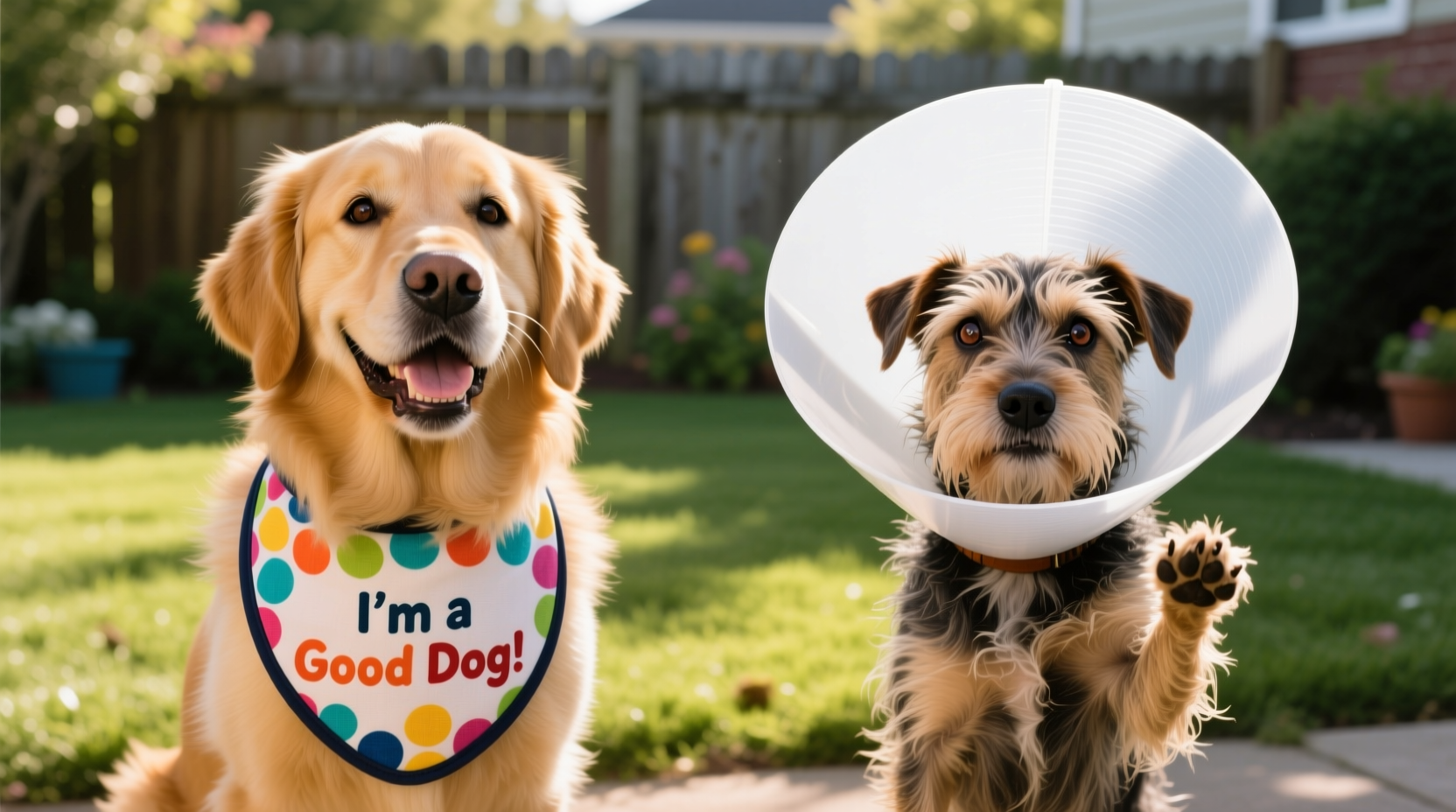
The primary goal of any post-operative or healing barrier—whether a cone, suit, or bib—is to prevent self-trauma. Dogs naturally lick wounds, surgical sites, or irritated skin, which can introduce bacteria, delay healing, or cause reinjury. In some cases, this behavior becomes compulsive, turning minor irritation into chronic sores.
Veterinarians recommend protective gear primarily to:
- Prevent infection at incision sites
- Stop sutures from being pulled out
- Allow dermatological conditions to heal without interference
- Reduce inflammation caused by constant chewing or scratching
But protection doesn’t have to mean discomfort. The key is matching the method to the medical need—and the dog’s temperament.
Cone of Shame: Pros and Cons
The traditional hard plastic cone remains widely used because it’s highly effective at blocking access to most of the body. When properly fitted, it creates a physical barrier that makes licking nearly impossible.
Tip: If using a hard cone, trim excess length so it extends just beyond your dog’s nose—this improves mobility and reduces snagging.Advantages:
- Complete coverage for chest, abdomen, and limbs
- Inexpensive and universally available
- Durable and easy to clean
- Highly effective when compliance is critical
Drawbacks:
- Limits peripheral vision, causing anxiety in some dogs
- Interferes with eating and drinking unless elevated bowls are used
- Can get stuck on furniture or doorways
- Disrupts sleep and normal activity
- Often leads to frustration for both dog and owner
“While cones are effective, we’re seeing increased interest in alternatives that support both healing and mental well-being.” — Dr. Lena Patel, DVM, Veterinary Behavior Consultant
Dog Recovery Bibs: A Viable Alternative?
Dog bibs—also called recovery shirts or post-op garments—are soft fabric coverings that wrap around the torso, shielding specific areas like the belly or groin. Unlike full-body suits, bibs typically protect only the lower abdomen and chest.
They work best when the surgical site or wound is located centrally and doesn’t require full-limb immobilization. For example, spay incisions are often ideal candidates.
When Bibs Work Well
- After routine spaying or neutering (if no excessive licking)
- Mild dermatitis on the belly or inner thighs
- Older dogs who tolerate clothing and are less active
- Short-term use during daytime supervision
Limitations of Bibs
- Do not prevent licking of legs, tail, or back
- Can be chewed off or wriggled out by determined dogs
- May shift during movement, exposing the wound
- Not suitable for high-risk patients or those with a history of self-mutilation
Comparing Options: Cone vs Bib vs Alternatives
| Feature | Hard Cone | Soft Collar | Recovery Bib | Full Body Suit |
|---|---|---|---|---|
| Access Prevention | Excellent | Good | Fair (limited area) | Excellent |
| Comfort Level | Low | Moderate | High | High |
| Mobility Impact | Significant | Minimal | Low | Low |
| Ease of Use | Easy | Easy | Moderate | Moderate |
| Best For | High-risk cases, aggressive lickers | Dogs sensitive to hard cones | Mild cases, short-term use | Full-body protection with comfort |
Real-World Example: Max the Beagle
Max, a 3-year-old beagle, underwent a routine dental procedure involving tooth extraction. His vet recommended a cone to prevent him from pawing at his mouth. However, Max became distressed immediately—he bumped into walls, refused to eat from his bowl, and whined constantly.
His owner consulted a second opinion and switched to a soft inflatable collar. Within hours, Max was eating normally and resting quietly. The vet checked the site two days later: no swelling, no infection, and complete compliance. This case highlights that while protection is essential, the method should align with the dog’s stress levels and actual risk.
Step-by-Step: Choosing the Right Option for Your Dog
- Assess the Medical Need: Is the wound on the belly, leg, or tail? How deep is it? Ask your vet how strict the barrier needs to be.
- Evaluate Your Dog’s Temperament: Does your dog panic easily? Are they prone to chewing fabrics? Calm dogs may adapt better to bibs.
- Try a Trial Run: Introduce the device at home under supervision. Watch for attempts to remove it or reach the site.
- Monitor Healing Daily: Check for redness, swelling, or signs of moisture buildup under garments.
- Adjust as Needed: If the bib slips or the dog licks through it, upgrade to a more secure option—even temporarily.
FAQ
Can I leave my dog alone with a bib on?
Only if you’ve observed them wearing it safely. Some dogs will chew through seams or twist until the bib shifts. Always supervise initially. For unattended periods, consider upgrading to a collar if risk is high.
How long should a dog wear a cone or bib after surgery?
Typically 7–14 days, depending on healing progress. Sutures are usually removed around day 10–14. Follow your vet’s timeline and don’t remove protection early, even if the wound looks healed.
Are there any safe cone alternatives?
Yes. Soft collars (inflatable or foam), recovery suits, and medical pet bodysuits offer effective protection with greater comfort. Ensure they’re specifically designed for post-op care and fit securely.
Checklist: Selecting the Best Post-Op Solution
- ☐ Confirm the location and severity of the wound with your vet
- ☐ Measure your dog’s neck and girth for proper fit
- ☐ Choose material based on durability and breathability (avoid overheating)
- ☐ Test the device under direct supervision for at least 30 minutes
- ☐ Inspect skin daily for chafing, moisture, or new irritation
- ☐ Have a backup plan (e.g., soft collar) if the first option fails
Conclusion
The cone of shame isn’t always necessary—but neither is risking your dog’s recovery for the sake of comfort. The decision should be guided by veterinary advice, the nature of the injury, and your dog’s individual behavior. For low-risk scenarios, a well-fitted bib can be a compassionate alternative. For high-risk cases, nothing beats the reliability of a physical barrier.
The goal isn’t just to stop licking—it’s to support healing without compromising well-being. With thoughtful selection and close monitoring, you can protect your dog effectively while preserving their dignity and peace of mind.
💬 Have experience with dog bibs or cone alternatives? Share your story in the comments—your insight could help another pet parent make a smarter, kinder choice.








