At first glance, dog bibs and baby bibs may seem nearly identical—both are small garments worn around the neck to catch food spills during meals. They often come in similar shapes, feature adjustable closures, and are made from absorbent or waterproof materials. But despite their visual similarities, these two accessories serve distinct purposes shaped by very different needs. Understanding the subtle—and sometimes critical—differences between dog and baby bibs is essential for safety, hygiene, and functionality. While some overlap exists, using them interchangeably isn’t always advisable.
Design and Functional Differences
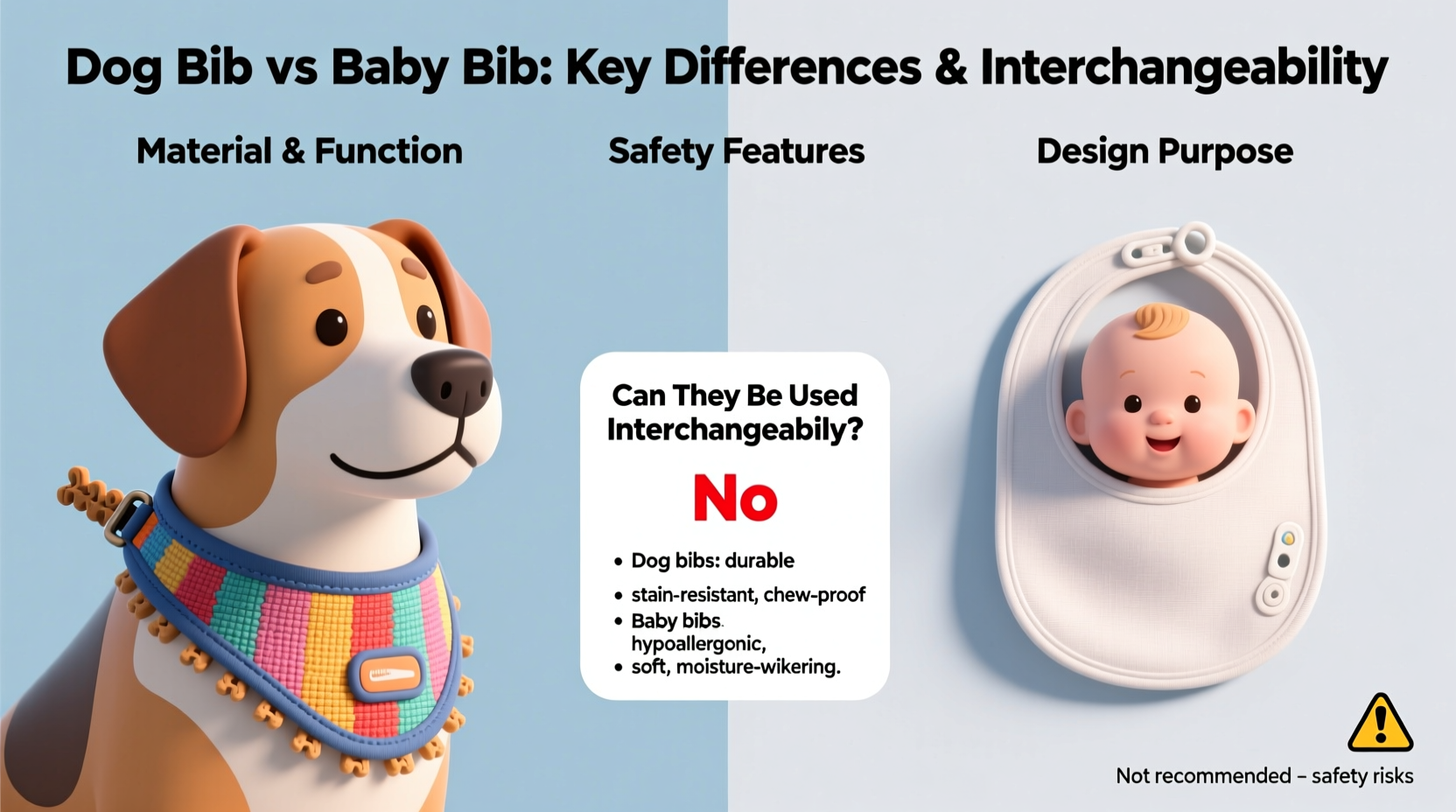
Baby bibs are designed with human infants in mind, focusing on comfort, skin sensitivity, and developmental stages. Most baby bibs are made from soft cotton, organic fabrics, or food-safe silicone. They often feature rounded edges, snap buttons or Velcro closures behind the neck, and deep catch pockets to collect drool, spilled purees, or teething fluids. The design prioritizes gentle contact with delicate skin and ease of cleaning due to frequent exposure to milk, formula, and solid foods.
Dog bibs, on the other hand, are engineered for animals with fur, different jaw structures, and messier eating habits. They’re typically larger, more durable, and constructed from water-resistant or wipeable materials like nylon, polyester, or coated fabrics. Many include broader coverage across the chest and shoulders to protect a dog’s coat from getting soiled during messy meals. Closures vary but often involve quick-release buckles or elastic loops that fit over the collar.
Tip: Always check closure types—Velcro on baby bibs can snag pet fur, while buckles on dog bibs may be too bulky for infant use.Material Safety and Skin Sensitivity
One of the most important distinctions lies in material safety. Baby bibs must comply with strict regulations regarding chemical content, dyes, and fabric treatments. Phthalates, formaldehyde, lead, and other harmful substances are prohibited in children’s products under standards such as CPSIA (Consumer Product Safety Improvement Act) in the U.S. This makes baby bibs generally safer for direct, prolonged skin contact.
Dog bibs are not held to the same regulatory standards. While reputable brands use non-toxic materials, many are treated with stain-resistant coatings, antimicrobials, or synthetic dyes unsuitable for human ingestion or constant skin exposure. A baby chewing on a dog bib could ingest harmful residues, especially if the bib has been washed with pet-safe detergents containing essential oils toxic to humans.
“Just because it looks safe doesn’t mean it is. Regulatory oversight for infant textiles is far more rigorous than for pet accessories.” — Dr. Lena Patel, Pediatric Dermatologist
Comparative Overview: Dog Bib vs Baby Bib
| Feature | Baby Bib | Dog Bib |
|---|---|---|
| Primary Purpose | Catch drool, milk, and food spills during feeding | Protect fur and skin from wet or messy food |
| Materials | Cotton, bamboo, food-grade silicone, BPA-free plastics | Nylon, polyester, neoprene, waxed canvas |
| Safety Standards | FDA/CPSIA compliant; tested for toxins | No mandatory human safety testing |
| Closure Type | Snaps, Velcro, ties | Buckles, clips, elastic loops |
| Cleaning Method | Machine washable or wipeable; frequent washing needed | Wipe-down or machine wash; less frequent |
| Average Lifespan | 3–6 months (due to rapid growth) | 6–18 months (depending on wear) |
Can You Use Them Interchangeably?
The short answer: occasionally, with caution—but not routinely.
In an emergency, a clean baby bib might temporarily serve a small dog, particularly one eating dry kibble. Its softness and absorbency can work well for light-duty use. However, due to limited coverage and potential weakness under strain (e.g., pulling or chewing), it may not hold up during regular meals.
Conversely, using a dog bib on a baby poses greater risks. Even if the bib appears clean and intact, residual chemicals from manufacturing or laundering could irritate sensitive infant skin or pose ingestion hazards if chewed. Additionally, dog bibs often lack the snug, secure fit required for babies, increasing the risk of slipping or becoming a choking hazard if parts detach.
When It Might Work (With Precautions)
- Travel emergencies: If you forget a baby bib, a freshly washed, plain-fabric dog bib without hardware might suffice for one meal—if closely supervised.
- Large breed puppies: Some oversized baby bibs can fit small dogs, especially those transitioning from bottles to solids.
- Drooling breeds: Dogs like Saint Bernards may benefit from extra-absorbent cotton baby bibs during teething phases, provided there’s no plastic or small parts.
Real-Life Example: The Cross-Use Experiment
Sarah, a mother of twins and owner of a golden retriever puppy, tried using her newborns’ silicone baby bibs for the dog during a weekend trip. She reasoned that both were meant to handle food messes. Initially, it worked—the wide pocket caught gravy from the pup’s wet food. But within hours, the puppy chewed off a corner of the bib. Alarmed, Sarah inspected the piece and realized the silicone was labeled “food-safe” but not “pet-safe,” meaning long-term durability and toxicity under chewing weren’t guaranteed. She immediately switched back to a proper dog bib and later contacted the manufacturer, who confirmed the product wasn’t tested for animal use. The experience taught her that even seemingly compatible items carry hidden risks when used outside intended contexts.
Actionable Checklist: Choosing the Right Bib
- Identify the user: Is it for a baby, toddler, puppy, or adult dog?
- Check material safety labels: Look for certifications like OEKO-TEX or CPSIA compliance for babies.
- Assess coverage needs: Babies need chin-to-chest protection; dogs often require full chest and shoulder coverage.
- Test closure security: Ensure snaps or buckles stay fastened during movement.
- Consider wash frequency: Choose machine-washable options for daily use.
- Avoid decorative elements: Ribbons, beads, or dangling parts pose choking hazards for both babies and pets.
- Monitor for wear and tear: Replace any bib with fraying edges, broken fasteners, or stains that won’t lift.
Frequently Asked Questions
Can I wash a dog bib with baby clothes?
It’s best to avoid doing so unless the dog bib is thoroughly cleaned first. Pet accessories can carry bacteria, saliva, or food residue that may transfer to infant clothing. Wash dog bibs separately using pet-safe detergent, and never mix loads unless you run a sanitizing cycle afterward.
Are silicone baby bibs safe for dogs?
While food-grade silicone is generally non-toxic, it’s not designed for canine chewing strength. Dogs can break off pieces, creating a choking hazard. Use only silicone dog bibs specifically marketed for pets, which are built to withstand tougher use.
Do dog bibs help with drooling?
Yes, especially for breeds prone to excessive salivation like Newfoundlands or Bulldogs. Absorbent or moisture-wicking dog bibs can keep fur dry and reduce skin irritation caused by prolonged dampness.
Final Thoughts: Prioritize Purpose-Built Products
While dog and baby bibs share a common goal—managing mealtime messes—their designs reflect vastly different biological, behavioral, and safety requirements. Using them interchangeably might seem convenient, but it introduces unnecessary risks. Babies have highly sensitive immune systems and skin, while dogs interact with objects through biting, scratching, and outdoor exposure. These behaviors demand specialized product engineering.
Investing in purpose-built bibs ensures better fit, longer lifespan, and most importantly, safety. If budget is a concern, look for multi-pack deals, secondhand baby gear in good condition, or DIY solutions using safe, washable fabrics. The few dollars saved by repurposing aren’t worth the health risks.
💬 Have you ever used a dog bib on a baby—or vice versa? Share your experience and lessons learned in the comments below.








