Every responsible dog owner wants their pet to be both stylish and safe. Bandanas have become a popular accessory, offering flair and personality at the park or during walks. But when it comes to identification, many wonder: can a dog bandana truly replace or even supplement traditional ID tags? While they may look charming tied around a furry neck, bandanas alone are not a reliable method of identification. Understanding the strengths and limitations of both bandanas and ID tags is essential for ensuring your dog’s safety in any situation.
The Role of Identification in Pet Safety
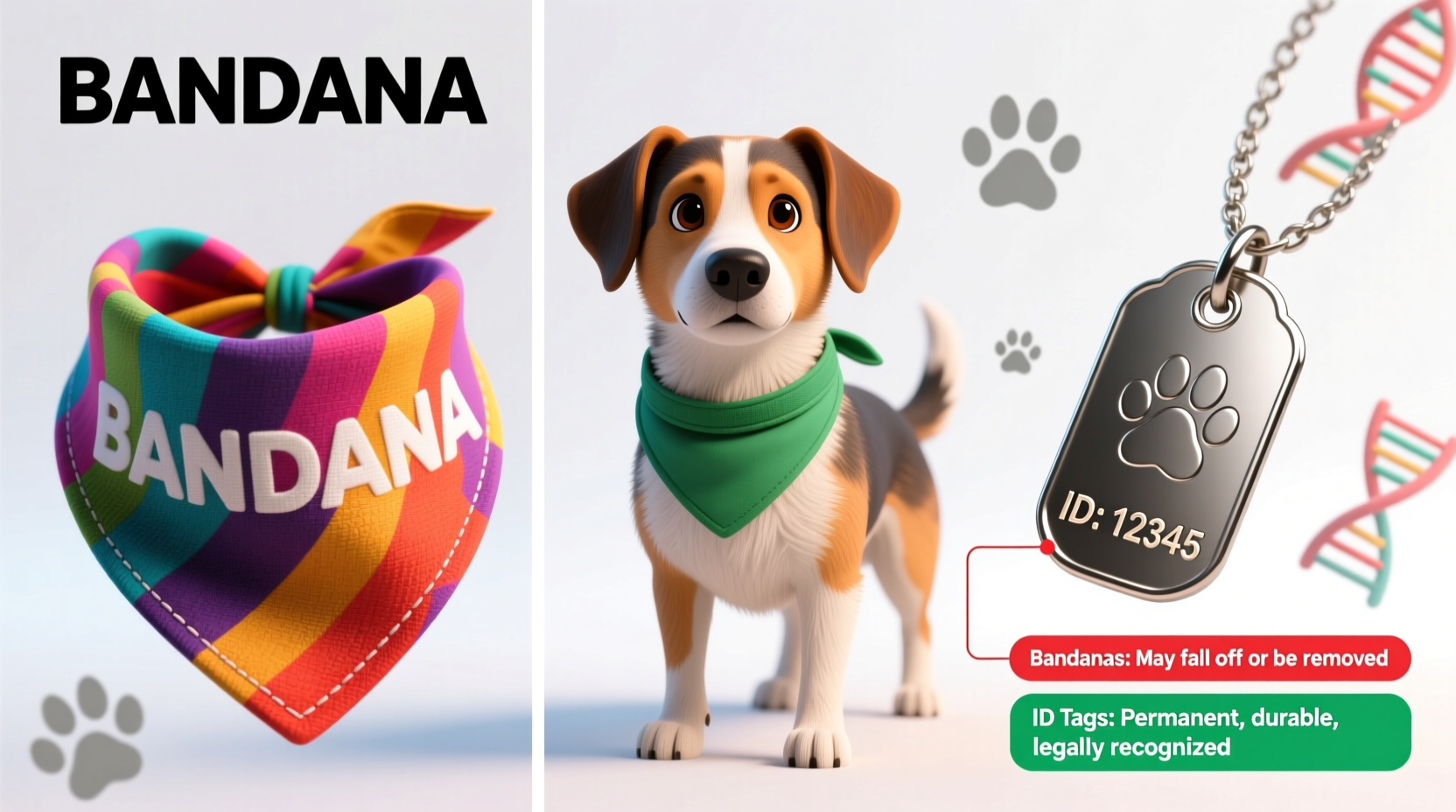
Losing a dog is one of the most distressing experiences a pet owner can face. According to the American Society for the Prevention of Cruelty to Animals (ASPCA), millions of pets go missing each year. A significant number are never reunited with their families—often because they lack proper identification.
ID tags serve as an immediate, visible way for anyone who finds a lost dog to contact the owner. They require no technology, scanning, or guesswork. In contrast, while bandanas can carry information, they are not standardized, consistently legible, or always worn. The primary function of identification is speed and reliability—traits that ID tags fulfill far more effectively than decorative accessories.
Tip: Always ensure your dog wears a collar with up-to-date ID tags, even if they have a microchip.Bandanas: Style Over Substance?
Dog bandanas are widely celebrated for their aesthetic appeal. Available in countless patterns, colors, and fabrics, they allow owners to express their dog’s personality—or their own. Some bandanas even claim to double as identification tools, featuring printed names, phone numbers, or QR codes linked to owner information.
However, practical challenges limit their effectiveness. Bandanas can easily slip off, especially if not secured properly. They may become soiled, torn, or faded, rendering any text illegible. Additionally, there's no universal expectation that a passerby should check a bandana for contact details. Unlike ID tags, which are immediately recognizable as identification, bandanas are primarily seen as fashion items.
In high-stress situations—such as when a dog is frightened or running loose—reliance on a bandana for ID introduces unnecessary risk. A well-meaning stranger might overlook it entirely.
ID Tags: The Gold Standard for Immediate Recognition
ID tags remain the most dependable form of external identification. Attached directly to the collar, they stay visible and accessible. Most are made from durable metal or plastic, resistant to weather and wear. Engraved or embossed text ensures legibility over time.
A standard ID tag typically includes the dog’s name and the owner’s phone number. Some also list an email address or home address, though privacy-conscious owners often prefer to use a secondary number or a pet recovery service.
“Physical ID tags are still the fastest way for someone to return your dog. No app, scan, or internet connection required.” — Dr. Laura Simmons, DVM and Animal Welfare Advocate
Unlike digital solutions or decorative items, ID tags work 24/7, regardless of location or technological access. A neighbor, delivery driver, or shelter worker can instantly read the information and make a call.
Comparing Bandanas and ID Tags: A Practical Breakdown
| Feature | Bandanas | ID Tags |
|---|---|---|
| Visibility | Low to moderate; depends on placement and design | High; designed to be noticed |
| Durability | Varies; fabric can tear, fade, or get dirty | High; metal/plastic resists wear |
| Legibility | Poor over time; ink fades, fabric wrinkles | Excellent; engraved text lasts years |
| Reliability | Low; easily removed or overlooked | High; consistently worn and recognized |
| Safety Risk | Moderate; can snag or choke if not secured | Very low; securely attached to collar |
| Identification Speed | Slow; requires searching or scanning QR code | Immediate; info visible at a glance |
When Bandanas Can Help—But Not Replace—ID Tags
This isn’t to say bandanas have no role in pet safety. They can be used creatively and responsibly to complement traditional ID methods. For example:
- Print emergency contact info in large font on a bright-colored bandana for visibility during travel.
- Use a bandana with a QR code that links to a digital profile—useful if someone is tech-savvy.
- Add scent cues (like a drop of essential oil your dog knows) to help tracking dogs identify them—though this should never replace visual ID.
Still, these uses are supplementary. They add layers but should never stand alone.
Mini Case Study: The Park Incident
In suburban Denver, a Border Collie named Luna slipped her leash during an off-leash play session. She bolted into a nearby trail, panicked by a sudden thunderclap. A hiker found her trembling under a bush. Luna wore a red bandana with her name and a phone number written in waterproof marker. The hiker took a photo and called the number, reuniting Luna with her owner within two hours.
While this story has a happy ending, it highlights critical variables: the number was legible, the bandana stayed on, and the finder took initiative. Had the ink smudged, the bandana fallen off, or the number been outdated, the outcome could have been very different. Luna was lucky—but prepared owners don’t rely on luck.
Best Practices for Safe Dog Identification
Maximizing your dog’s chances of a swift return involves combining multiple strategies. Follow this checklist to ensure comprehensive protection:
Checklist: Complete Dog ID Strategy- ✅ Attach a durable collar with an engraved ID tag
- ✅ Include your current phone number and, optionally, a backup contact
- ✅ Microchip your dog and keep registration updated
- ✅ Use a bandana with contact info only as a secondary measure
- ✅ Check collar fit monthly—should allow two fingers underneath
- ✅ Replace worn tags or illegible bandanas immediately
Frequently Asked Questions
Can I just use a QR code on a bandana instead of a tag?
QR codes require a smartphone and internet access to scan. While convenient for some, they exclude people without devices or data plans. They also depend on the code remaining intact and scannable. A physical phone number on a tag is universally accessible and faster in emergencies.
Isn’t a microchip enough identification?
No. Microchips are invaluable but not immediate. A finder must take the dog to a vet or shelter to scan it, delaying reunion. Many lost dogs are returned by neighbors or passersby who see a tag and call right away. Microchips and ID tags work best together.
Are bandanas dangerous for dogs?
If improperly fitted, yes. A loose bandana can snag on fences or furniture, posing a choking hazard. Always secure it tightly but comfortably, and remove it when unsupervised. Never let a bandana replace a proper collar and ID system.
Conclusion: Safety First, Style Second
Bandanas are a fun, expressive addition to your dog’s wardrobe—but they are not a substitute for reliable identification. While they can support your dog’s visibility in certain scenarios, they lack the consistency, durability, and universal recognition of ID tags. Your dog’s safety depends on clear, immediate access to your contact information. That means a sturdy collar, a legible tag, and a registered microchip.
Use bandanas to celebrate your dog’s spirit, not to safeguard their return. When style and safety are balanced correctly, your dog doesn’t just look good—they stay safe, too.
💬 What’s your go-to method for identifying your dog? Have you ever relied on a bandana in an emergency? Share your story and help others make smarter choices for their pets.








