Dog owners know the signs well: trembling during thunderstorms, frantic barking at fireworks, or pacing when left alone. Anxiety in dogs isn't just disruptive—it can affect their health, behavior, and quality of life. As pet parents search for solutions, two popular tools often rise to the top: anxiety vests (like the ThunderShirt) and calming collars (such as Adaptil). But which one truly works better at reducing canine stress?
The answer isn’t always straightforward. While both products are widely marketed and used, they operate on entirely different principles—one physical, the other chemical. Understanding how each functions, what the research says, and how individual dogs respond is key to making an informed decision.
How Anxiety Vests Work: The Science of Pressure Therapy
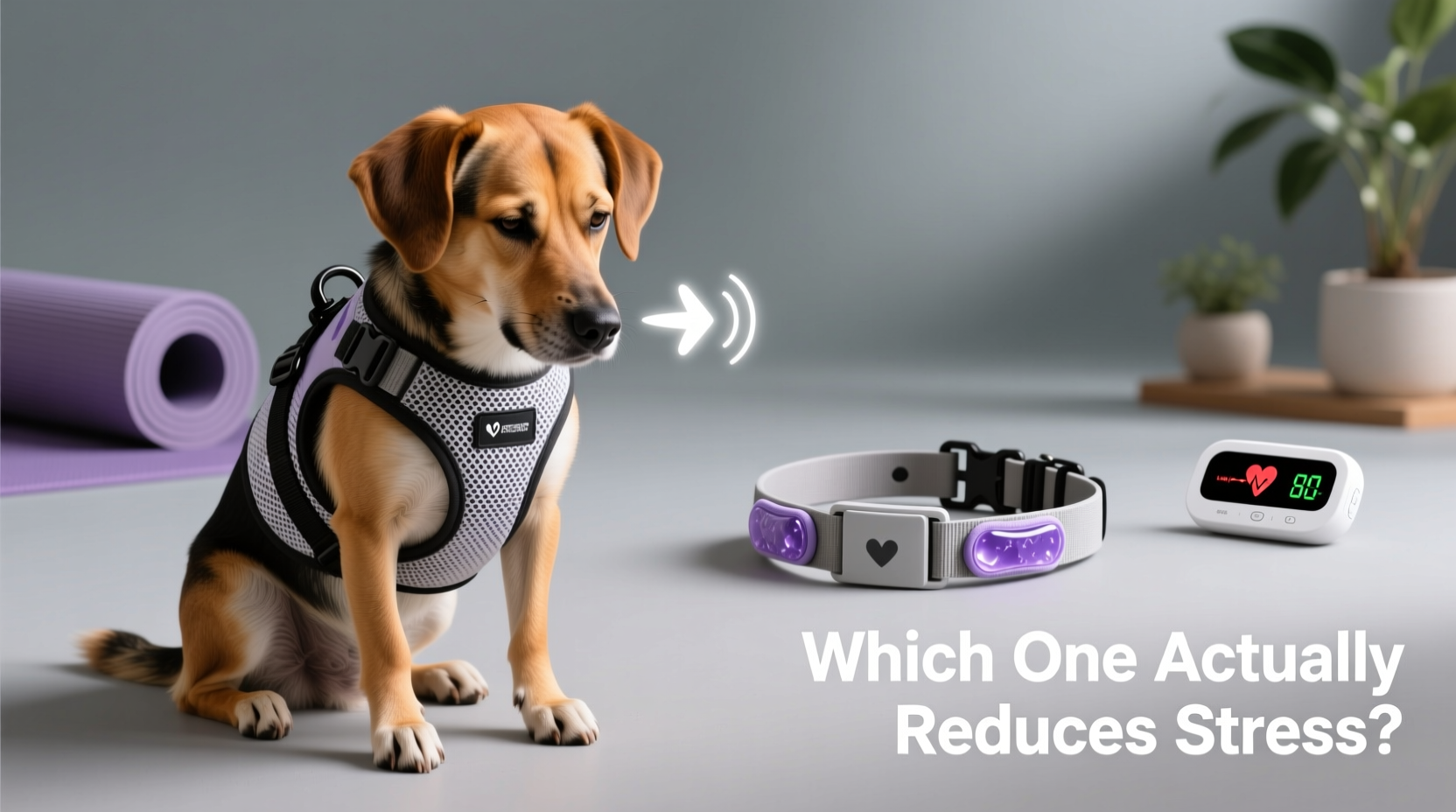
Anxiety vests apply gentle, constant pressure around a dog’s torso, mimicking the sensation of being swaddled or hugged. This concept, known as deep pressure stimulation (DPS), has roots in human psychology and occupational therapy. It's believed that consistent tactile input can have a calming effect on the nervous system by increasing parasympathetic activity—the body’s “rest and digest” mode.
Manufacturers like ThunderWorks, Inc., the company behind ThunderShirt, claim up to 80% effectiveness based on customer surveys. While independent peer-reviewed studies are limited, anecdotal evidence and small-scale trials suggest measurable benefits in specific scenarios such as noise phobias (e.g., fireworks or storms).
The mechanism may involve the release of oxytocin and reduction of cortisol levels, though more rigorous veterinary studies are needed. Still, many trainers and veterinarians acknowledge that for certain dogs, especially those with situational anxiety, the vest provides noticeable relief.
Tip: Introduce the anxiety vest during calm moments first—never during peak stress. Let your dog wear it briefly while relaxed so they associate it with comfort, not fear.How Calming Collars Work: Pheromone-Based Relief
Calming collars take a biochemical approach. Products like Adaptil release synthetic analogs of dog-appeasing pheromones (DAP)—chemical signals naturally produced by mother dogs to reassure their puppies. These pheromones are species-specific and odorless to humans but are detected by dogs through the vomeronasal organ.
Once inhaled, DAP molecules interact with the limbic system, the part of the brain responsible for emotions and stress responses. Clinical trials funded by manufacturers show reduced signs of separation anxiety, excessive vocalization, and destructive behavior in some dogs wearing these collars.
A 2018 study published in *Applied Animal Behaviour Science* found that dogs wearing DAP-releasing collars exhibited significantly lower stress indicators during car travel compared to controls. However, critics point out that placebo effects and owner bias may influence outcomes, especially in open-label trials.
One advantage of calming collars is their passive nature—they require no fitting adjustments or reapplication during events. They work continuously for about four weeks before needing replacement.
“Pheromone therapy won’t solve severe behavioral disorders, but it can serve as a valuable adjunct in managing mild to moderate anxiety, especially in young or newly adopted dogs.” — Dr. Karen Overall, Veterinary Behavioral Medicine Specialist
Direct Comparison: Anxiety Vest vs Calming Collar
To determine which option might be better for your dog, consider the type, frequency, and triggers of their anxiety. The table below outlines key differences between the two interventions:
| Feature | Anxiety Vest | Calming Collar |
|---|---|---|
| Mechanism | Deep pressure stimulation | Synthetic pheromone release |
| Best For | Noise phobias, situational stress (e.g., vet visits) | Separation anxiety, generalized stress, puppy adjustment |
| Onset Time | Immediate (once properly fitted) | 15–30 minutes after wearing |
| Duration | As long as worn (max 4–6 hours at a time) | Up to 4 weeks per collar |
| Ease of Use | Requires correct sizing and monitoring | Slip on and go; low maintenance |
| Cost (Initial) | $40–$60 | $20–$30 |
| Scientific Support | Moderate (anecdotal + limited clinical) | Stronger clinical backing, especially for DAP |
Real-World Example: Max, the Storm-Anxious Labrador
Max, a 3-year-old yellow Lab from Ohio, began showing signs of extreme fear during summer thunderstorms at age 18 months. His owner, Sarah, noticed he would hide under the bed, drool excessively, and bark uncontrollably. She tried several approaches: closing windows, playing white noise, even giving him treats. Nothing fully worked.
Sarah first tried an Adaptil collar. While Max seemed slightly less agitated over time, his storm reactions remained intense. Then she purchased a ThunderShirt. During the next storm, she put it on Max 30 minutes before the rain started. He still paced initially, but within 15 minutes, he lay down beside her, resting his head on his paws. Over the next few storms, his response improved further.
In Max’s case, the anxiety vest provided immediate, tangible relief during acute episodes. The calming collar helped maintain a lower baseline of anxiety but wasn’t sufficient alone during high-stress events. Sarah now uses both: the collar daily during storm season and the vest during active weather alerts.
When to Use Each — And When to Combine Them
The choice between an anxiety vest and a calming collar should be guided by your dog’s specific needs:
- Noise sensitivity? Opt for an anxiety vest. The physical feedback appears more effective during sudden, loud stimuli.
- Separation distress? A calming collar may offer better continuous support while you're away.
- Generalized anxiety? Consider combining both. Multimodal approaches often yield superior results, especially when paired with behavior modification.
It’s also important to note that neither product replaces professional training or veterinary intervention. Dogs with severe anxiety may benefit from prescription medications like fluoxetine (Reconcile) or behavioral therapy with a certified animal behaviorist.
Step-by-Step Guide: How to Test Either Product Safely
- Start during a low-stress period. Never introduce a new tool during a panic episode.
- Familiarize your dog gradually. Let them sniff and explore the item before wearing it.
- Begin with short sessions. Wear for 10–15 minutes, then gradually increase duration.
- Monitor closely. Watch for signs of discomfort, overheating, or restricted movement.
- Evaluate objectively. Track behaviors before and after use using a journal or app.
- Allow a 2–3 week trial. Some dogs take time to respond, especially to pheromone collars.
- Combine with positive reinforcement. Reward calm behavior while the device is in use.
Common Mistakes That Reduce Effectiveness
Even the best product can fail if used incorrectly. Common pitfalls include:
- Putting the vest on too late—once panic sets in, pressure therapy may not penetrate the heightened stress state.
- Using a dirty or expired collar—dirt buildup blocks pheromone release; old collars lose potency.
- Expecting instant miracles—these are supportive tools, not cures.
- Ignoring underlying causes—anxiety may stem from lack of exercise, poor socialization, or medical pain.
Checklist: Choosing the Right Tool for Your Dog
Use this checklist to decide:- ✅ Does your dog react most to sudden noises? → Try an anxiety vest.
- ✅ Is anxiety present throughout the day, especially when alone? → Try a calming collar.
- ✅ Have you ruled out medical issues with your vet? → Essential first step.
- ✅ Are you willing to pair the product with training? → Increases success rate.
- ✅ Can you commit to a 3-week trial with consistent use? → Avoid premature judgment.
- ✅ Are you open to combining methods? → Dual approach may be optimal.
FAQ: Common Questions About Anxiety Vests and Calming Collars
Can I leave an anxiety vest on my dog all day?
No. Most manufacturers recommend removing the vest after 4–6 hours to prevent skin irritation or overheating. Never leave it on overnight or unsupervised without checking fit and comfort.
Do calming collars work for all breeds and sizes?
Yes, pheromone collars are effective across breeds because they rely on biological signaling rather than size-dependent mechanisms. However, ensure proper neck fit to avoid choking hazards in small dogs.
Are there side effects to either product?
Side effects are rare. With vests, watch for chafing or resistance to wearing. With collars, minor skin irritation may occur if the material causes allergy. Neither affects internal organs or alters consciousness.
Conclusion: Matching the Solution to the Stress
There’s no universal winner in the dog anxiety vest vs calming collar debate. The truth is, effectiveness depends on the individual dog, the nature of their anxiety, and how the product is used. For acute, event-driven fears—like fireworks or vet exams—anxiety vests often deliver faster, more visible results. For ongoing, low-grade anxiety—especially in rescue dogs or puppies—calming collars provide steady, background support.
The most successful outcomes come not from choosing one over the other, but from understanding your dog’s emotional landscape and responding with empathy and evidence-based tools. In many cases, combining both—alongside environmental enrichment, training, and veterinary guidance—offers the most comprehensive path to calm.
💬 Have you tried an anxiety vest or calming collar? Share your experience, tips, or questions in the comments—your story could help another dog parent find peace for their anxious pup.








