
Dog owners today are more invested than ever in optimizing their pets’ health. With rising interest in personalized nutrition for humans, it’s no surprise that many are turning to pet DNA tests to guide their dogs’ diets. These kits promise insights into breed composition, genetic predispositions, and even nutritional needs. But do they truly deliver actionable information that can improve a dog’s meal plan? The answer isn’t a simple yes or no—it depends on how the data is interpreted and applied.
While pet DNA tests have gained popularity for identifying breeds and screening for certain hereditary diseases, their role in diet planning remains nuanced. Understanding the science behind these tests, their practical applications, and their limitations is essential before making dietary changes based solely on genetic results.
How Pet DNA Tests Work
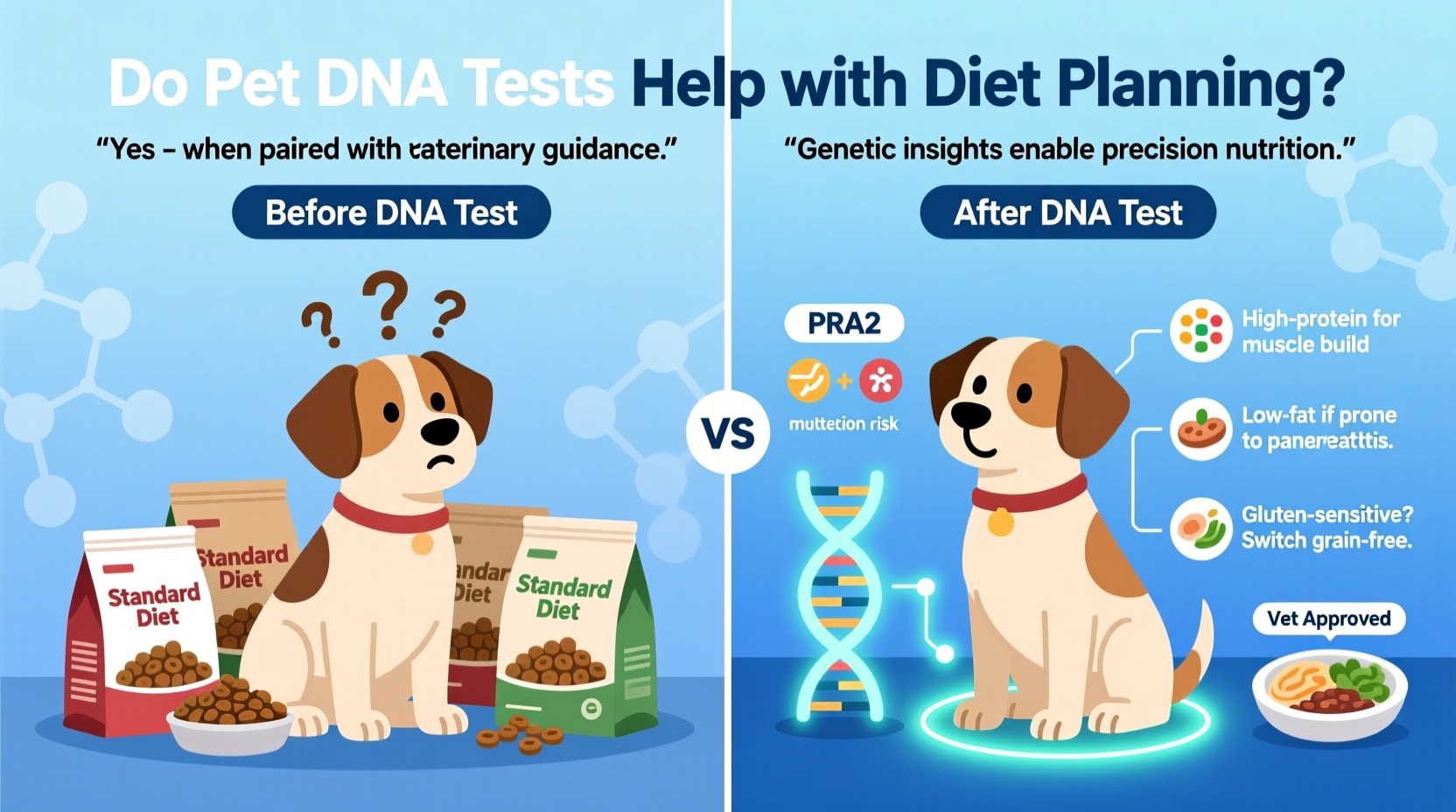
Pet DNA tests typically analyze a saliva sample collected from a dog’s cheek using a swab. The sample is sent to a lab where technicians examine specific markers in the dog’s genome. These markers are compared against a database of known genetic sequences associated with breed traits, disease risks, and metabolic functions.
The most common companies—such as Embark, Wisdom Panel, and DNA My Dog—offer varying levels of analysis. Some focus primarily on ancestry, while others include health screenings and trait reports. A few advanced kits now claim to provide recommendations related to digestion, nutrient metabolism, and food sensitivities.
For example, certain genetic variants may indicate lactose intolerance or sensitivity to grains due to reduced enzyme production. Others might suggest an increased need for omega-3 fatty acids due to skin or coat-related gene expressions. However, these insights are probabilistic, not definitive, and should be viewed as one piece of a larger puzzle.
Tip: Always consult your veterinarian before making significant dietary changes based on DNA test results.The Link Between Genetics and Canine Nutrition
Dogs, like humans, have individual metabolic profiles influenced by genetics. Certain breeds are predisposed to conditions that directly impact dietary needs. For instance:
- Golden Retrievers often carry a mutation in the MC2R gene linked to overeating and obesity.
- Cocker Spaniels may have a higher risk of pancreatitis, requiring low-fat diets.
- Irish Setters can suffer from gluten-sensitive enteropathy, similar to celiac disease in humans.
In these cases, knowing a dog’s genetic background can inform preventive nutrition strategies. If a DNA test reveals a high-risk variant, a vet or veterinary nutritionist might recommend avoiding specific ingredients or adjusting calorie intake early on.
However, genetics alone don’t dictate everything. Environmental factors—like activity level, age, existing health conditions, and gut microbiome composition—play equally important roles in determining optimal nutrition. A dog may carry a gene associated with poor fat metabolism but never develop related issues if fed appropriately and kept active.
“Genetics loads the gun, but environment pulls the trigger.” — Dr. Joseph J. Wakshlag, DVM, PhD, Chief Nutritionist at Cornell University College of Veterinary Medicine
What Pet DNA Tests Can (and Can’t) Tell You About Diet
To assess the usefulness of DNA tests for diet planning, it helps to distinguish between what they can reliably detect versus what remains speculative.
| Information Type | Reliability for Diet Planning | Examples |
|---|---|---|
| Breed Composition | Moderate | Knowing a dog has high Siberian Husky content may suggest higher energy needs, but this is inferential. |
| Disease Predispositions | High (for specific conditions) | Portosystemic shunt risk in Yorkshire Terriers may require protein-restricted diets. |
| Food Sensitivities (Genetic) | Limited | Some tests flag lactase deficiency, but true food allergies are immune-mediated, not always genetic. |
| Nutrient Metabolism Genes | Emerging | Variants in AMY2B (starch digestion) may influence grain tolerance, but research is ongoing. |
| Personalized Supplement Recommendations | Low to Moderate | Often based on indirect associations; clinical validation is lacking. |
The strongest value of DNA testing lies in identifying clear genetic disorders that necessitate dietary intervention. For example, dogs with copper storage disease (common in Bedlington Terriers) require copper-restricted diets. Similarly, those with dilated cardiomyopathy (DCM) risk linked to certain genetic profiles may benefit from taurine supplementation—though the connection between grain-free diets and DCM remains controversial and multifactorial.
Real-World Application: A Case Study
Consider Max, a 4-year-old mixed-breed rescue dog adopted from a shelter. His owner, Sarah, noticed he had chronic soft stools and occasional itching despite being on a high-quality limited-ingredient diet. Frustrated, she opted for a comprehensive DNA test through Embark.
The results showed Max was 45% German Shepherd, 30% Labrador Retriever, and carried a variant in the PEX7 gene associated with digestive inefficiency. More importantly, he tested positive for a mutation linked to inflammatory bowel disease (IBD) susceptibility.
Sarah shared the report with her veterinarian, who recommended transitioning Max to a hydrolyzed protein diet and adding prebiotics. Within six weeks, his stool quality improved significantly, and the itching subsided. While the DNA test didn’t “cure” Max, it provided critical clues that guided targeted dietary adjustments under professional supervision.
This case illustrates how DNA testing works best when integrated into a broader veterinary care plan—not as a standalone diagnostic tool.
Step-by-Step Guide to Using DNA Results for Diet Planning
If you’ve taken or are considering a pet DNA test, follow this evidence-based approach to responsibly incorporate findings into your dog’s nutrition strategy:
- Choose a reputable test that includes health and trait screening, not just ancestry. Look for companies that partner with veterinary schools or publish research.
- Review results carefully, focusing on clinically relevant markers such as disease risks or known metabolic variants.
- Consult your veterinarian or a board-certified veterinary nutritionist to interpret the data in context of your dog’s overall health.
- Avoid making immediate diet swaps based on raw data. Instead, use the information to ask informed questions during checkups.
- Monitor your dog’s response after any dietary change, tracking energy levels, coat condition, stool quality, and weight.
- Reevaluate periodically, especially as your dog ages or develops new symptoms.
Common Misconceptions About DNA-Based Dog Diets
Despite growing awareness, several myths persist about the power of canine DNA testing:
- Myth: “If my dog isn’t purebred, he needs a special diet.”
Reality: Mixed-breed dogs are genetically diverse and often healthier than purebreds. Ancestry percentages don’t dictate precise nutritional requirements. - Myth: “DNA tests can diagnose food allergies.”
Reality: True food allergies involve the immune system and cannot be detected via standard DNA panels. Elimination diets remain the gold standard for diagnosis. - Myth: “More genes tested = better accuracy.”
Reality: Testing thousands of markers doesn’t guarantee useful insights. Clinical relevance matters more than volume.
It’s also worth noting that some companies market “personalized” dog food plans based on DNA results. While innovative, these services often lack peer-reviewed validation. Many rely on algorithms with limited scientific backing, making them more marketing-driven than medically sound.
Expert Insights on Genetic Nutrition for Dogs
Veterinary professionals emphasize caution when interpreting commercial DNA results. Dr. Lisa Weeth, DACVN (Diplomate of the American College of Veterinary Nutrition), explains:
“Genetic testing is a promising tool, but we’re still in the early stages of understanding how to apply it meaningfully to nutrition. Right now, its greatest strength is in ruling things in or out—not prescribing diets outright.”
She adds that environmental influences, including early-life diet and microbiome development, often outweigh genetic predispositions. “A Border Collie raised on a balanced diet with regular exercise will likely thrive regardless of minor genetic quirks,” she notes.
Frequently Asked Questions
Can a DNA test tell me if my dog should be on a grain-free diet?
No—not reliably. While some dogs have genetic traits affecting carbohydrate metabolism, grain intolerance is rare and usually misdiagnosed. Most dogs digest grains well. Grain-free diets have been linked to heart disease in some cases, so they should only be used under veterinary guidance for diagnosed conditions.
Should I switch my dog’s food based on DNA results?
Only after consulting your vet. DNA results may suggest potential risks, but they don’t replace physical exams, blood work, or clinical observation. Sudden diet changes can cause gastrointestinal upset.
Are some dog DNA tests better than others for nutritional insights?
Yes. Embark and Wisdom Panel offer more detailed health reports, including mutations tied to metabolic disorders. Tests that only report breed ancestry provide little value for diet planning. Look for labs that disclose their research methods and collaborate with academic institutions.
Tip: Check whether the company provides access to veterinary genetic counselors—this adds significant value.Final Thoughts: A Tool, Not a Blueprint
Pet DNA tests can contribute valuable information to your dog’s overall health picture, including aspects of diet planning—but they are not a magic solution. Their real power lies in early detection of serious genetic conditions that require dietary management, such as liver shunts, kidney disease, or metabolic disorders.
For most dogs, a high-quality, life-stage-appropriate diet from a trusted brand remains the foundation of good nutrition. DNA testing should complement, not replace, proven practices like routine veterinary care, behavioral observation, and gradual dietary trials when needed.
As research advances, we may see more precise links between canine genomics and nutritional science. Until then, treat DNA results as informative clues rather than commands. When combined with expert advice and attentive pet parenting, they can help fine-tune a dog’s diet for long-term wellness.
🚀 Ready to explore your dog’s genetic story? Start with a vet-approved DNA test, share the results with your veterinarian, and take a proactive step toward smarter, science-backed feeding decisions.








