Thunderstorms can be terrifying—not just for children or those with storm phobias, but for dogs as well. The sudden cracks of thunder, flashes of lightning, changes in barometric pressure, and static electricity can trigger intense fear responses in canines. Symptoms range from trembling and pacing to destructive behavior and attempts to escape. For concerned pet owners, finding a safe, effective solution is critical. One increasingly popular option is the pet calming collar. But do these devices actually work for thunderstorm anxiety in dogs? This article dives into the science, evaluates different types, and provides practical guidance based on veterinary expertise and owner experiences.
Understanding Thunderstorm Anxiety in Dogs
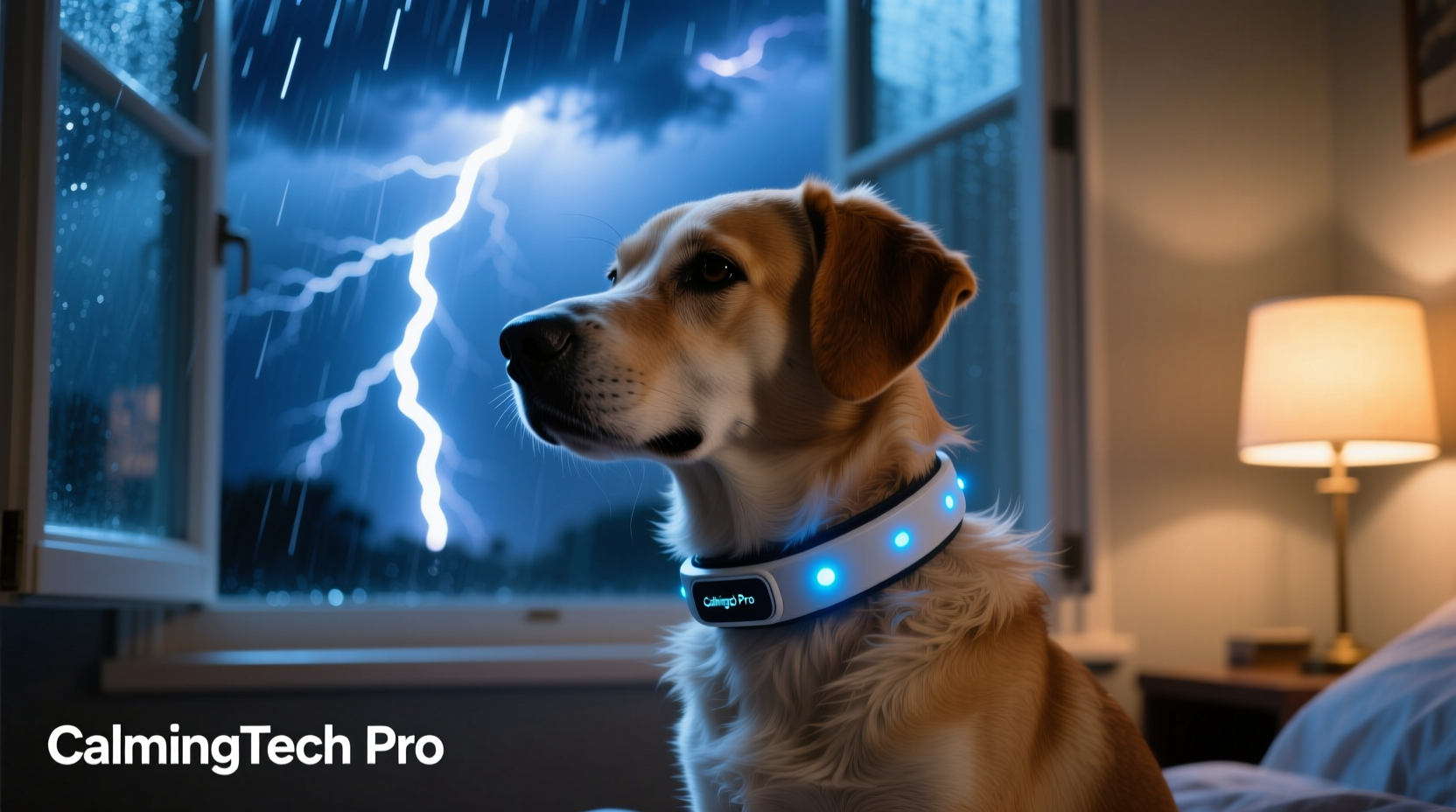
Thunderstorm anxiety, also known as astraphobia, affects an estimated 20–30% of dogs to some degree. Unlike general noise sensitivity, this condition often involves a complex mix of sensory triggers: loud noises, changes in atmospheric pressure, vibrations from thunder, and even static buildup on fur. These stimuli can activate the amygdala—the brain’s fear center—leading to a cascade of stress hormones like cortisol and adrenaline.
Dogs may exhibit various signs of distress during storms:
- Panting and drooling
- Trembling or shaking
- Whining, barking, or howling
- Hiding (under beds, in closets)
- Destructive chewing or scratching at doors
- Attempts to escape
- Accidents indoors despite being house-trained
Left unmanaged, chronic anxiety can lead to long-term behavioral issues and reduced quality of life. While training and environmental modifications are foundational, many owners turn to supplementary tools like calming collars when storms approach.
How Do Calming Collars Work?
Calming collars come in two primary forms: pheromone-based and essential oil-infused. Each works through olfactory stimulation—a powerful pathway to influence canine emotional states.
Pheromone-Based Collars
These collars release synthetic analogs of natural dog-appeasing pheromones (DAP). First identified in nursing mother dogs, DAP helps puppies feel secure and reduces stress. Commercial versions, such as Adaptil, mimic this chemical signal. When inhaled by anxious dogs, the pheromones bind to receptors in the vomeronasal organ, sending calming signals to the brain.
Studies suggest that consistent use of DAP can reduce separation anxiety and reactivity. However, research specifically on thunderstorm anxiety is limited. A 2019 study published in *Applied Animal Behaviour Science* found moderate improvement in noise-sensitive dogs wearing DAP collars during firework simulations, though results varied by breed and individual temperament.
Essential Oil or Herbal Collars
Some collars rely on essential oils like lavender, chamomile, or valerian root, which are believed to have sedative properties. While aromatherapy has anecdotal support in both human and animal wellness, scientific validation in dogs is sparse. Moreover, essential oils must be used with caution—some are toxic to pets if ingested or applied improperly.
“Pheromone collars like Adaptil have a solid mechanism grounded in canine biology. They won’t ‘cure’ storm anxiety, but they can lower baseline stress, making other interventions more effective.” — Dr. Lena Peterson, DVM, Veterinary BehavioristTip: Introduce calming collars 1–2 days before expected storms to allow time for acclimation and full pheromone dispersion.
Evaluating Effectiveness: What the Evidence Says
The effectiveness of calming collars for thunderstorm anxiety is not universal. Success depends on multiple factors, including the dog’s sensitivity level, the type of collar, consistency of use, and integration with other strategies.
A 2020 field trial involving 60 dogs with diagnosed noise aversion showed that 45% of dogs wearing DAP collars exhibited reduced anxiety behaviors during storms compared to a placebo group. However, only 15% showed dramatic improvement, while 30% showed no change. This suggests that while some dogs benefit, others require stronger interventions.
Key limitations include:
- Delayed onset: Pheromones take 15–30 minutes to become effective and require continuous exposure.
- Environmental interference: Wind, rain, or indoor air circulation can disperse pheromones unevenly.
- Individual variation: Some dogs are simply less responsive to olfactory cues.
- Severity of anxiety: Mild cases may improve with collars alone; severe phobias often need medication or professional behavior modification.
Comparison of Calming Collar Types
| Type | Mechanism | Onset Time | Lifespan | Best For |
|---|---|---|---|---|
| Pheromone (e.g., Adaptil) | Synthetic dog-appeasing pheromones | 15–30 mins | Up to 4 weeks | Mild-to-moderate anxiety, preventive use |
| Essential Oil | Aromatherapy (lavender, chamomile) | Variable (10–60 mins) | 2–4 weeks (varies by brand) | Cautious use; not recommended for sensitive dogs |
| Vibrational/Pressure (e.g., ThunderShirt-style) | Constant gentle pressure | Immediate | N/A (reusable) | Dogs responsive to touch-based calming |
Note: True “calming collars” typically refer to pheromone or scent-based products. Pressure garments like ThunderShirt are sometimes grouped in discussions but function differently.
Integrating Calming Collars Into a Broader Strategy
No single tool can fully resolve thunderstorm anxiety. The most successful outcomes occur when calming collars are part of a comprehensive management plan. Here’s a step-by-step guide to maximizing their impact:
- Start Early: Begin using the collar at least 24 hours before a forecasted storm. Pheromones build up gradually in the environment.
- Create a Safe Space: Designate a quiet, interior room with familiar bedding, toys, and white noise (e.g., fan, TV) to mask thunder.
- Use Positive Reinforcement: Reward calm behavior during storms with treats or praise—never punish fear-based actions.
- Desensitize Gradually: Play recorded thunderstorm sounds at low volume, increasing over weeks while rewarding relaxation.
- Combine with Other Tools: Pair the collar with a snug-fitting anxiety wrap or background music designed for dogs (e.g., Through a Dog’s Ear).
- Consult Your Veterinarian: For severe cases, prescription medications like trazodone or benzodiazepines may be necessary.
Real-World Example: Max, a 4-Year-Old Border Collie
Max, a high-energy Border Collie from Colorado, began showing signs of storm anxiety at age two. During summer thunderstorms, he would bark incessantly, scratch at the back door, and hide under the kitchen sink. His owner, Sarah, tried several approaches: closing windows, playing music, and giving extra attention. Results were inconsistent.
After consulting her vet, Sarah started using an Adaptil collar two days before predicted storms. She combined it with a routine: turning on a white noise machine, offering a stuffed Kong, and practicing deep-pressure massage. Within three storm seasons, Max’s reactions improved significantly. He still paced briefly at the first clap of thunder but quickly settled on his bed, especially when the collar was used preemptively.
“It’s not magic,” Sarah says, “but it takes the edge off. Now he’s able to relax instead of spiraling into panic.”
Common Mistakes to Avoid
Even well-intentioned owners can undermine the effectiveness of calming collars. Watch out for these pitfalls:
- Using the collar only during storms: Pheromone collars work best with continuous wear to maintain stable levels.
- Expecting instant results: Calming effects are subtle and cumulative, not immediate sedation.
- Ignoring underlying anxiety: If your dog is anxious year-round, storm fear may be part of a broader issue requiring behavioral therapy.
- Mixing incompatible products: Some flea collars or shampoos may interfere with pheromone diffusion.
- Skipping veterinary advice: Severe anxiety may indicate neurological or medical conditions needing professional care.
Checklist: Optimizing Calming Collar Use for Storm Season
- ✅ Choose a reputable pheromone collar (e.g., Adaptil) over unregulated essential oil brands.
- ✅ Start wearing the collar 1–2 days before expected storms.
- ✅ Combine with a designated safe space and noise-dampening techniques.
- ✅ Monitor your dog’s response over multiple events.
- ✅ Schedule a vet consultation if anxiety persists or worsens.
- ✅ Replace the collar as directed (typically every 4 weeks).
- ✅ Keep a storm diary to track triggers and progress.
Frequently Asked Questions
Can calming collars make my dog drowsy?
No, pheromone collars do not contain sedatives or drugs. They work by mimicking natural chemical signals that promote feelings of security. Dogs remain alert but less reactive. Essential oil collars, however, may cause lethargy in sensitive individuals—use with caution.
Are calming collars safe for puppies and senior dogs?
Yes, pheromone collars like Adaptil are considered safe for dogs of all ages, including puppies and seniors. They are non-invasive and hormone-free. Always follow manufacturer guidelines for sizing and replacement.
How do I know if the collar is working?
Look for subtle improvements: reduced panting, quicker return to calmness after thunderclaps, or willingness to stay in open areas instead of hiding. Behavioral changes may be gradual. Keeping a log of storm reactions before and after use can help assess effectiveness.
Conclusion: A Tool, Not a Cure
Calming collars can play a valuable role in managing thunderstorm anxiety in dogs—but they are not a standalone solution. For mild to moderate cases, pheromone collars like Adaptil offer a safe, science-backed way to reduce baseline stress and improve coping mechanisms. However, they work best when integrated into a broader strategy that includes environmental management, behavioral training, and, when necessary, veterinary intervention.
If your dog suffers during storms, don’t resign yourself to helplessness. Start with small, evidence-based steps: try a proven calming collar, create a soothing shelter, and consult your veterinarian. Every dog deserves to feel safe—even when the skies rumble.
💬 Have experience with calming collars for storm anxiety? Share your story in the comments to help fellow dog owners find relief for their pets.








