Dizziness is a frequent complaint among pregnant individuals, especially during the first and third trimesters. While often harmless, it can sometimes signal underlying conditions that require medical attention. Understanding why dizziness occurs, recognizing red flags, and knowing how to manage symptoms safely are essential for maternal well-being. This article explores the physiological changes behind dizziness in pregnancy, identifies risk factors, outlines warning signs, and provides practical steps for prevention and care.
Why Dizziness Occurs During Pregnancy
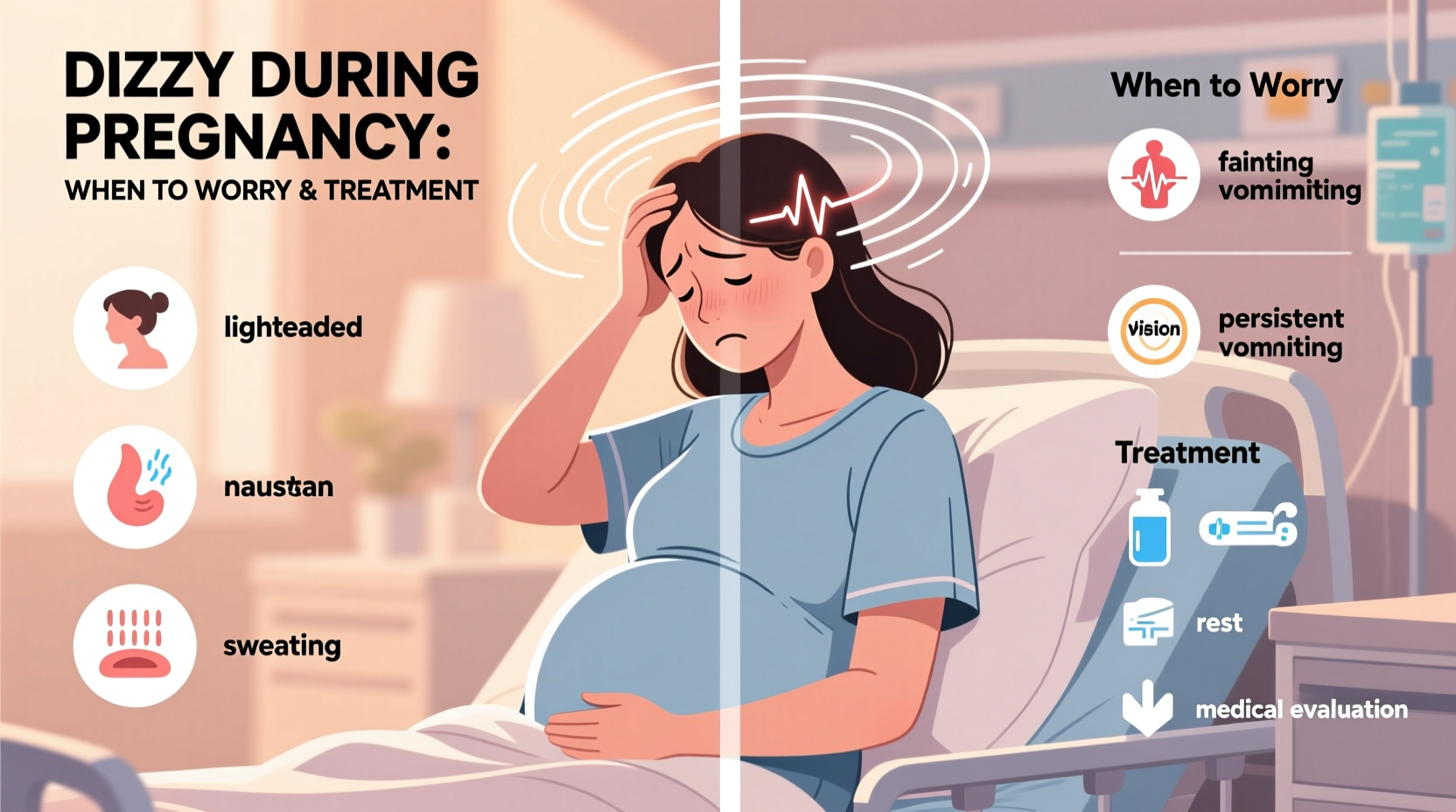
Pregnancy triggers profound changes in the cardiovascular, hormonal, and metabolic systems—all of which can contribute to lightheadedness or vertigo. The most common causes include:
- Lowered blood pressure: Hormonal shifts cause blood vessels to relax and dilate, reducing circulation efficiency and leading to temporary drops in blood pressure, especially when standing up quickly.
- Reduced blood sugar (hypoglycemia): As the body supports fetal development, glucose demands increase. Skipping meals or going too long without eating may result in low blood sugar and dizziness.
- Supine hypotensive syndrome: In later pregnancy, lying flat on the back can compress the vena cava—a major vein returning blood to the heart—reducing cardiac output and causing sudden dizziness.
- Anemia: Iron deficiency is common in pregnancy due to increased blood volume and fetal needs. Anemia reduces oxygen delivery to the brain, contributing to fatigue and lightheadedness.
- Dehydration: Nausea, vomiting, or inadequate fluid intake can lead to dehydration, affecting blood volume and electrolyte balance.
When to Worry: Warning Signs Requiring Medical Attention
While occasional dizziness is normal, certain symptoms should prompt immediate evaluation by a healthcare provider. These may indicate more serious complications such as preeclampsia, ectopic pregnancy, or cardiac issues.
“Any episode of dizziness accompanied by chest pain, severe headache, blurred vision, or vaginal bleeding must be evaluated promptly.” — Dr. Lena Patel, OB-GYN Specialist
Symptoms warranting urgent care include:
- Fainting or near-fainting spells
- Persistent dizziness not relieved by rest or position change
- Chest pain or palpitations
- Shortness of breath unrelated to exertion
- Severe headaches with visual disturbances
- Vaginal bleeding or abdominal pain
- Swelling in hands or face with elevated blood pressure
Red Flags at Different Trimesters
| Trimester | Common Causes | Concerning Symptoms |
|---|---|---|
| First | Hormonal shifts, low blood sugar, dehydration from nausea | Dizziness with vaginal bleeding or cramping (possible miscarriage or ectopic pregnancy) |
| Second | Postural hypotension, anemia, prolonged standing | Blurred vision, swelling, high blood pressure (early preeclampsia signs) |
| Third | Supine hypotension, pressure on major vessels, gestational diabetes | Frequent fainting, rapid heartbeat, confusion (possible cardiac strain or hypoglycemia) |
Safe Treatment and Management Strategies
Treating dizziness in pregnancy focuses on addressing root causes while avoiding medications that could harm the fetus. Most cases improve with lifestyle adjustments and monitoring.
Immediate Relief Steps
- Sit or lie down immediately to prevent falls.
- Loosen tight clothing and ensure fresh air circulation.
- If sitting, lower your head between your knees to increase cerebral blood flow.
- Drink water and eat a small snack containing protein and carbohydrates (e.g., crackers with cheese).
- Avoid standing up quickly after lying down or sitting.
Long-Term Prevention Tips
Tip: When getting out of bed, roll onto your side first, then use your arms to push yourself up slowly to minimize positional dizziness.- Stay hydrated—aim for 8–10 glasses of water daily.
- Maintain consistent nutrition with balanced meals every 3–4 hours.
- Limit time spent standing motionless; shift weight or walk briefly every 15 minutes.
- Sleep on your left side to optimize blood flow and reduce vena cava compression.
- Wear compression stockings if recommended, especially if you experience swelling or varicose veins.
Case Example: Managing Dizziness in the Third Trimester
Sophia, 32 weeks pregnant with her first child, began experiencing recurrent dizziness when standing up from her desk job. She initially dismissed it as normal fatigue but noticed increasing episodes, especially in the afternoon. After consulting her midwife, she was diagnosed with mild anemia (hemoglobin: 10.2 g/dL) and advised to increase iron-rich foods and take prenatal vitamins consistently. Her provider also recommended rising slowly from seated positions and using a footrest at work to improve circulation. Within two weeks, her symptoms significantly improved. This case underscores the importance of early assessment and targeted intervention—even seemingly routine symptoms can have treatable causes.
Do’s and Don’ts: Quick Reference Guide
| Do’s | Don’ts |
|---|---|
| Eat small, frequent meals | Skip meals or go long periods without eating |
| Stay hydrated with water and electrolyte drinks | Consume excessive caffeine or sugary beverages |
| Rise slowly from sitting or lying positions | Stand up abruptly, especially after lying down |
| Sleep on your left side | Lie flat on your back for extended periods |
| Attend all prenatal appointments for screening | Ignore persistent or worsening symptoms |
Frequently Asked Questions
Can dizziness during pregnancy harm my baby?
Occasional, mild dizziness due to postural changes or low blood sugar typically does not affect the baby. However, repeated fainting or severe episodes linked to anemia, dehydration, or cardiovascular strain may reduce oxygen supply and require medical management to protect both mother and fetus.
Is it safe to take medication for dizziness while pregnant?
Most over-the-counter dizziness medications are not recommended during pregnancy unless prescribed. Instead, doctors focus on correcting underlying causes like anemia (with iron supplements) or dehydration (with fluids). Always consult your provider before taking any medication, including herbal remedies.
How can I prevent dizziness when exercising?
Choose low-impact activities like walking or swimming, stay hydrated, avoid overheating, and incorporate slow transitions between positions. Stop immediately if you feel lightheaded, and cool down gradually. Prenatal yoga and breathing techniques can also enhance circulation and balance.
Conclusion: Prioritize Awareness and Proactive Care
Dizziness during pregnancy is common but should never be ignored without understanding its cause. By staying informed about bodily changes, recognizing warning signs, and applying simple preventive strategies, expectant individuals can navigate this symptom safely. Regular prenatal care plays a critical role in identifying and managing conditions like anemia or hypertension before they escalate. Listen to your body, communicate openly with your healthcare team, and don’t hesitate to seek help when something feels off. Your health—and your baby’s—is worth the attention.
💬 Have questions about your experience with dizziness during pregnancy? Share your story or ask for advice in the comments—your insights could support others on the same journey.








