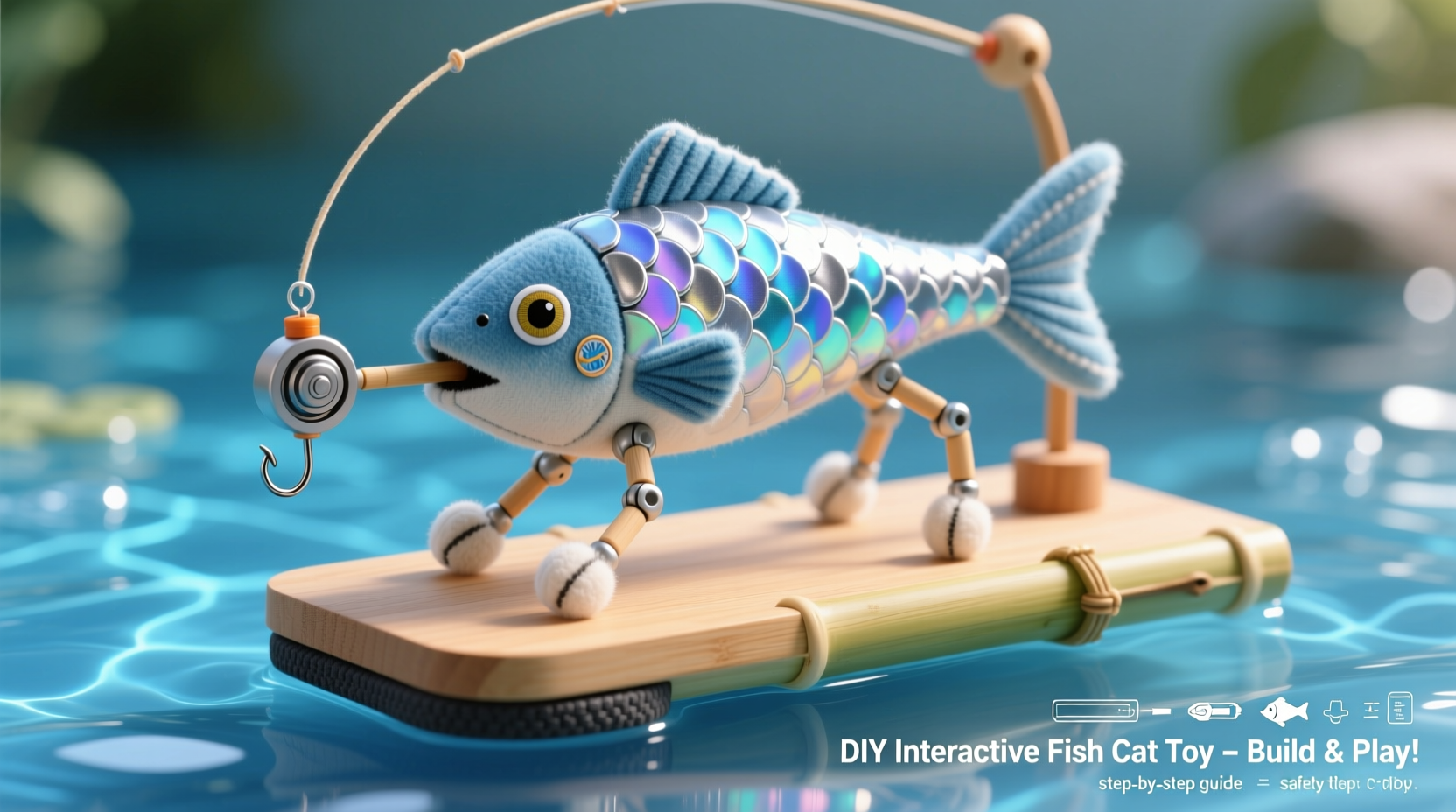
Cats are natural hunters. Even the most pampered indoor feline carries the instincts of a predator—stalking, pouncing, and chasing. Without proper stimulation, these instincts can manifest in destructive behaviors or lethargy. One of the most effective ways to satisfy your cat’s predatory drive is through motion-based toys. A moving fish cat toy mimics the erratic movements of real prey, triggering curiosity and play.
Instead of purchasing expensive automated toys, you can create a durable, engaging, and safe interactive fish toy at home using common household items. This DIY project not only saves money but also allows customization based on your cat’s preferences. Whether your cat loves feathers, crinkly sounds, or dangling tails, this guide walks you through building a motorized or manually operated moving fish toy that will become a favorite in your pet’s play rotation.
Why Motion-Based Toys Matter for Cat Health
Physical and mental health in cats is closely tied to activity levels. According to Dr. Sarah Thompson, a certified feline behaviorist, “Cats that engage in regular predatory simulation through play show lower stress levels, better weight control, and fewer behavioral issues.”
“Interactive toys that move unpredictably replicate the hunt, which is essential for a cat’s psychological well-being.” — Dr. Sarah Thompson, Feline Behavior Specialist
Unlike static plush toys, moving toys stimulate both visual and auditory senses. The flickering motion of a tail, the rustle of paper inside a fish body, or the gentle sway from a motorized arm can captivate a cat for minutes. This kind of engagement helps prevent obesity, reduces anxiety, and strengthens the bond between pet and owner when used during joint play sessions.
Materials and Tools You’ll Need
The beauty of this project lies in its simplicity. Most components can be sourced from around the house or purchased inexpensively. Below is a comprehensive list categorized by function:
| Component | Material Options | Notes |
|---|---|---|
| Fish Body | Felt, fleece, old sock, craft foam | Choose soft, non-abrasive fabric; avoid loose threads |
| Internal Crinkle | Plastic grocery bag, chip bag lining | Crinkle sound excites cats; seal edges to prevent tearing |
| Eyes & Details | Safety eyes, embroidery thread, non-toxic paint | Ensure all parts are securely attached |
| Motion Mechanism | Sewing machine bobbin, small DC motor, wand with string | Motorized version requires basic wiring |
| Attachment System | String, fishing line, flexible wire, dowel rod | Must allow smooth swinging or rotation |
| Power Source (if motorized) | AA battery pack, USB-powered motor | Use low-voltage options for safety |
Step-by-Step Construction Guide
This guide presents two versions: a manual wand toy and a semi-automated rotating fish. Choose based on your comfort with tools and electronics.
Option 1: Manual Wand Fish Toy (Beginner-Friendly)
- Design the fish shape: Sketch a 6–8 inch fish on cardboard and cut it out as a template. Use this to trace onto felt or fleece.
- Double-layer cut: Cut two identical fish shapes. Between them, insert a piece of crinkly plastic bag to add auditory appeal.
- Sew the edges: Hand-stitch or machine-sew around the perimeter, leaving a 1-inch gap. Turn right-side out, then stitch closed.
- Add features: Attach safety eyes or embroider details. Avoid small detachable parts.
- Attach to wand: Tie a strong nylon thread or fishing line to a small hole near the fish’s head. Secure the other end to a lightweight wooden dowel (12–18 inches long).
- Test movement: Wiggle the wand to simulate swimming. Vary speed and direction to mimic prey behavior.
Option 2: Motorized Rotating Fish (Intermediate)
- Build the base: Use a small wooden block (4x4 inches) as a platform. Mount a low-speed DC motor (3V–6V) vertically using screws or strong adhesive.
- Create the arm: Attach a lightweight plastic or wooden arm (6 inches long) horizontally to the motor shaft. Ensure balance to prevent wobbling.
- Hang the fish: Tie the fish toy to the end of the arm with 4–6 inches of string. The fish should dangle just above the ground.
- Wire the circuit: Connect the motor to a battery pack (e.g., 2xAA). Add an on/off switch for convenience.
- Stabilize the unit: Add rubber feet or extra weight to the base to prevent tipping during operation.
- Test and adjust: Power on and observe motion. Adjust arm length or fish weight for smoother, more enticing movement.
Real-World Example: How Bella the Cat Responded
Jamie, a cat owner from Portland, built a motorized fish toy after noticing her 3-year-old tabby, Bella, spent hours staring out the window but ignored her plush mice. Using a repurposed toy car motor and a hand-sewn felt fish filled with a crinkled snack bag liner, she assembled the rotating toy in under two hours.
Within minutes of activation, Bella was batting at the fish, leaping and spinning. Over the next week, Jamie observed increased activity and reduced nighttime restlessness. “It’s like she finally has something worth hunting,” she said. The toy became a daily fixture during evening wind-down time, replacing screen-based distractions with physical play.
Safety and Maintenance Checklist
- Inspect all seams and attachments weekly for wear.
- Never leave motorized toys unattended for extended periods.
- Store the toy out of reach when not in use to prolong life.
- Replace frayed strings or loose parts immediately.
- Keep batteries secured and away from curious paws.
- Limit motorized play to 10–15 minutes per session to avoid overexcitement.
- Wash fabric components gently with pet-safe soap if soiled.
Common Mistakes to Avoid
“Many homemade toys fail because they’re either too predictable or unsafe.” — Dr. Alan Ruiz, Veterinary Preventive Care Specialist
Avoid these pitfalls to ensure your toy remains effective and hazard-free:
- Using toxic materials: Glues, paints, or plastics that can be ingested must be non-toxic.
- Overloading the motor: A heavy fish can strain the motor or cause imbalance.
- Predictable motion: Constant circular rotation becomes boring. Vary speed or use intermittent power.
- Ignoring cat preferences: Some cats prefer side-to-side motion over rotation. Observe and adapt.
- Leaving strings too long: Risk of entanglement increases with excess line.
FAQ: Your Questions Answered
Can I make this toy safe for kittens?
Yes, but with modifications. Use softer materials, avoid small parts, and supervise all play. Opt for manual wand versions until the kitten is older and less likely to chew wires.
How do I make the fish move more naturally?
Incorporate a swivel joint between the string and fish to allow twisting. You can also vary the motor speed with a dimmer switch or pulse the power manually to create stuttering motion.
What if my cat ignores the toy?
Try adding catnip, silver vine, or a few drops of valerian root extract to the fish. Also, introduce it during high-energy times like dawn or dusk. Pair initial use with treats or praise to build positive association.
Final Thoughts and Next Steps
An interactive moving fish cat toy isn’t just a fun weekend project—it’s an investment in your cat’s long-term happiness and health. By combining instinct-driven design with thoughtful craftsmanship, you create more than a toy; you create an outlet for natural behavior, reducing stress and encouraging fitness.
Start simple with the wand version if you’re new to DIY pet projects. Once you see your cat’s reaction, you might be inspired to experiment with lights, sounds, or even AI-triggered motion sensors in future builds. The key is observation: watch how your cat plays, what excites them, and refine accordingly.
💬 Have you built a custom cat toy? Share your design, challenges, and your cat’s reaction in the comments below—we’d love to learn from your experience!








