Dog owners today face a growing dilemma: should they invest in high-end designer dog toys or stick with affordable generics from big-box retailers? With some premium toys costing upwards of $40—ten times the price of a basic rope tug—it’s fair to question whether the splurge translates into real benefits for your pet. The answer isn’t always straightforward. While certain designer toys offer superior materials, innovative designs, and enhanced safety, many generic options perform admirably for everyday play. This guide breaks down the key differences, evaluates actual value, and helps you make informed choices based on your dog’s needs, not just marketing hype.
Material Quality and Safety Standards
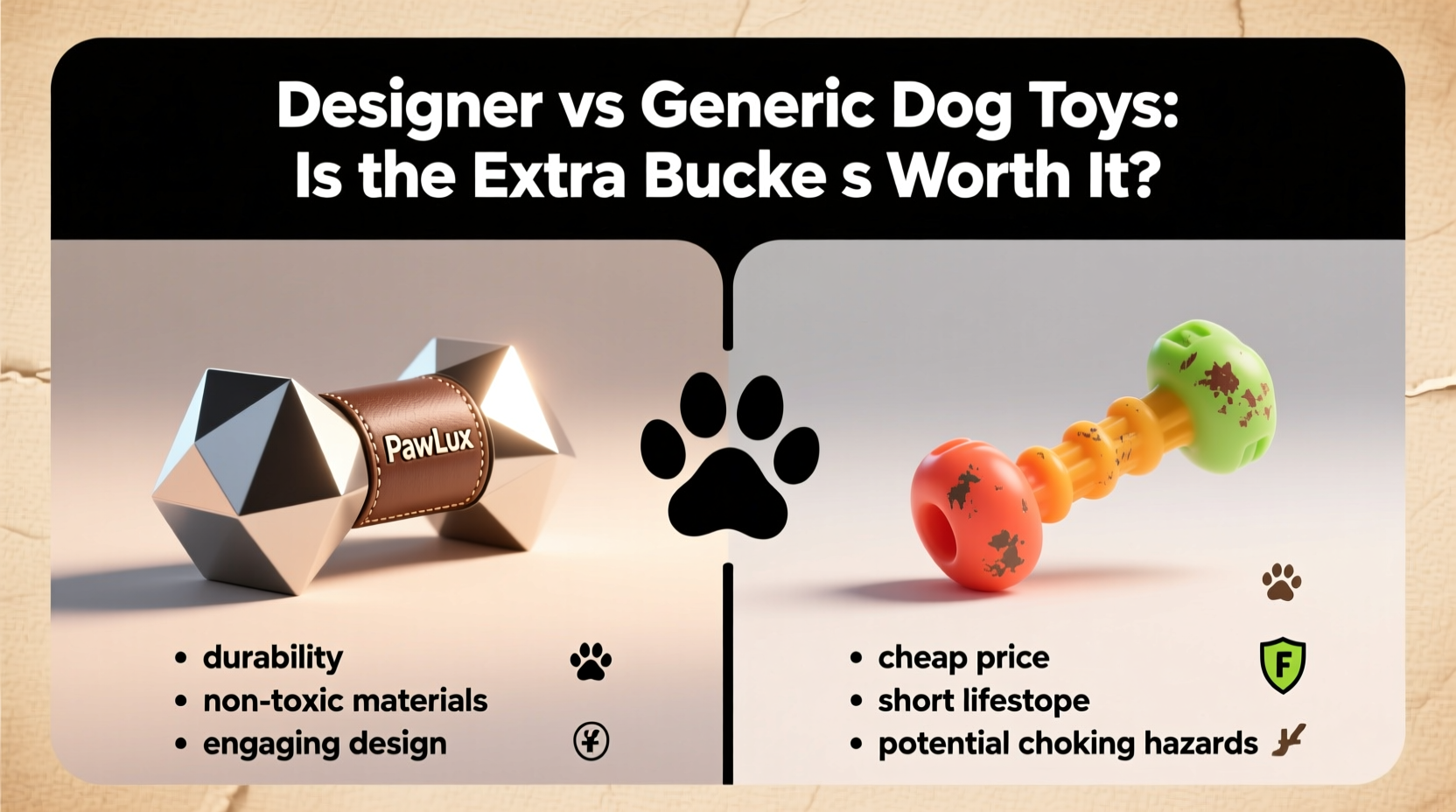
The most significant difference between designer and generic dog toys lies in the materials used. Premium brands often prioritize non-toxic, sustainably sourced, and durable components. For example, companies like West Paw, Kong, and Outward Hound use FDA-compliant, BPA-free, and phthalate-free plastics and rubbers. Many also manufacture their products in the U.S. or Europe, where stricter safety regulations apply.
In contrast, lower-cost generic toys—especially those imported from regions with looser manufacturing oversight—may contain questionable fillers, dyes, or volatile organic compounds (VOCs). Some have even been recalled due to lead contamination or choking hazards. While not all generics are unsafe, the lack of transparency in sourcing makes risk harder to assess.
“Just because a toy is labeled ‘safe’ doesn’t mean it meets rigorous standards. Look for third-party certifications like ASTM F963 or compliance with U.S. Consumer Product Safety Commission guidelines.” — Dr. Lena Torres, Veterinary BehavioristTip: Always check packaging or brand websites for material disclosures and safety testing information. If it's not listed, assume it hasn't been independently verified.
Durability and Long-Term Value
Durability is where the cost-benefit analysis becomes clearer. A $35 indestructible rubber toy may last two years for an aggressive chewer, while a $5 plush toy might be shredded in a single afternoon. Over time, repeatedly replacing cheap toys can cost more than investing in one high-quality alternative.
Designer brands engineer toys with reinforced stitching, multi-layered rubber, or ballistic nylon exteriors specifically for power chewers. Brands like GoughNuts and Planet Dog build toys with safety indicators—such as a secondary color layer that shows when internal damage occurs—so owners know when to retire them.
Generic toys, particularly plush or squeaky varieties, are typically designed for light to moderate play. They rarely withstand prolonged chewing and often come apart quickly, creating ingestion risks from stuffing or broken plastic parts.
Toy Longevity Comparison by Type
| Toy Type | Designer Brand Example | Avg. Lifespan (Aggressive Chewer) | Generic Equivalent | Avg. Lifespan |
|---|---|---|---|---|
| Rubber Chew Toy | Kong Extreme | 12–24 months | Basic Rubber Bone | 1–3 months |
| Plush Squeaky | Harry Barker Recycled Plush | 3–6 weeks | Bulk Store Plush Dog | 1–2 days |
| Rope Tug | Earth Rated Organic Cotton Rope | 6–8 months | Polyester Rope Toy | 2–4 weeks |
| Interactive Puzzle | Nina Ottosson Advanced Puzzle | Indefinite (with care) | Plastic Treat Maze | 1–2 months |
Design Innovation and Mental Stimulation
Another advantage of designer toys is thoughtful design focused on canine enrichment. Many premium brands collaborate with animal behaviorists to create puzzles, treat-dispensing mechanisms, and sensory-stimulating textures that support cognitive health.
Toys like the Outward Hound Hide-A-Squirrel or the StarMark Bob-A-Lot encourage problem-solving and slow feeding, which can reduce anxiety and prevent destructive behaviors. These features aren’t commonly found in generic toys, which tend to emphasize aesthetics over function.
Moreover, ergonomic shapes and sizes in designer toys better accommodate different breeds and jaw structures. A French Bulldog won’t benefit from a large fetch ball, just as a Border Collie may lose interest in a simple tug unless it challenges their mind.
Tip: Match the toy’s complexity to your dog’s energy level and intelligence. High-drive dogs need mental engagement as much as physical exercise.Real-World Example: Max the Australian Shepherd
Consider Max, a 3-year-old Australian Shepherd adopted from a shelter. Highly intelligent and prone to boredom, Max began chewing furniture within days of arriving home. His owner initially bought inexpensive plush toys from a discount store, but Max dismantled each one within minutes, leading to vet visits for minor intestinal blockages.
After consulting a trainer, Max’s owner invested in a $32 Nina Ottosson puzzle toy and a $28 West Paw Qwizl treat roll. Within a week, Max was fully engaged, spending 20–30 minutes solving food puzzles daily. Six months later, both toys remain intact. The initial investment saved hundreds in potential vet bills and replaced constant toy replacements.
This case illustrates how designer toys can deliver long-term savings and behavioral benefits—not because they’re trendy, but because they meet specific functional needs.
When Generic Toys Make Sense
That said, generic toys aren’t inherently bad. For gentle players, puppies in the teething phase, or short-term distractions, affordable options can be perfectly adequate. A $2 crinkle toy might delight a senior dog who prefers soft items, and there’s no need to spend $30 on a plush if your dog only uses it for napping.
Additionally, generic toys are ideal for training scenarios where multiple low-stakes rewards are needed. Using a cheap ball during recall drills means losing it isn’t a financial burden. The key is matching the toy’s purpose to its quality tier.
- Use generic toys for: short play sessions, training aids, puppies exploring textures, or dogs with mild chewing habits.
- Choose designer toys for: strong chewers, high-energy breeds, mental stimulation, or outdoor use in rough environments.
Buying Checklist: How to Choose Wisely
Before purchasing any dog toy—designer or generic—ask yourself these questions:
- What is my dog’s chewing strength? Light, moderate, or aggressive?
- Does this toy offer mental engagement? Or is it purely for fetching/chewing?
- Are materials clearly listed? Avoid anything with vague terms like “polymer blend.”
- Is it easy to clean? Toys that can’t be washed harbor bacteria.
- What’s the replacement frequency? Calculate annual cost, not just upfront price.
- Does it suit my dog’s size and breed traits? Small dogs need smaller openings; brachycephalic breeds need wider handles.
Frequently Asked Questions
Are expensive dog toys safer than cheap ones?
Not automatically, but reputable designer brands are more likely to disclose material sources, conduct third-party safety testing, and comply with U.S. or EU standards. Always verify claims rather than assuming price equals safety.
Can I trust online reviews for designer toys?
Reviews can be helpful, but watch for patterns rather than isolated opinions. Look for feedback from owners of similar breeds or chewing styles. Be skeptical of products with overwhelmingly positive reviews and no photos of wear over time.
Do designer toys really last longer?
For durable categories like rubber chews and puzzle toys, yes—especially for strong chewers. However, for plush toys, even premium versions may not survive determined shredders. Durability depends on design and material, not just branding.
Conclusion: Value Over Price
The decision between designer and generic dog toys shouldn’t hinge on price alone, but on value delivered. A $40 toy that lasts two years and prevents destructive behavior offers far greater return than ten $4 toys that end up in the trash—and possibly the vet’s office. That said, generics have their place in a balanced toy rotation, especially for temporary or low-risk use.
The smartest approach is strategic spending: invest in high-quality, durable, and enriching toys for your dog’s primary activities, and supplement with affordable options for variety and training. Prioritize safety, suitability, and long-term utility over trends or branding. Your dog doesn’t care about logos—but they do benefit from well-designed, safe, and engaging playthings.
💬 Have a favorite toy that stood the test of time? Share your experience below and help other pet parents make smarter choices for their pups!








