Fashion is a cycle of reinvention, and handbags are no exception. In recent seasons, crescent bags have surged in popularity, gracing runways from Paris to Seoul and becoming a staple in street style photography. With their sleek, curved silhouettes and minimalist appeal, they’ve captured the attention of influencers and designers alike. But as crescent bags rise, a question lingers: are saddle bags—once the undisputed queens of edgy elegance—officially out of favor?
The answer isn’t a simple yes or no. Instead, it’s about understanding how trends evolve, how consumer preferences shift, and how functionality meets form in modern accessory design.
The Rise of the Crescent Bag
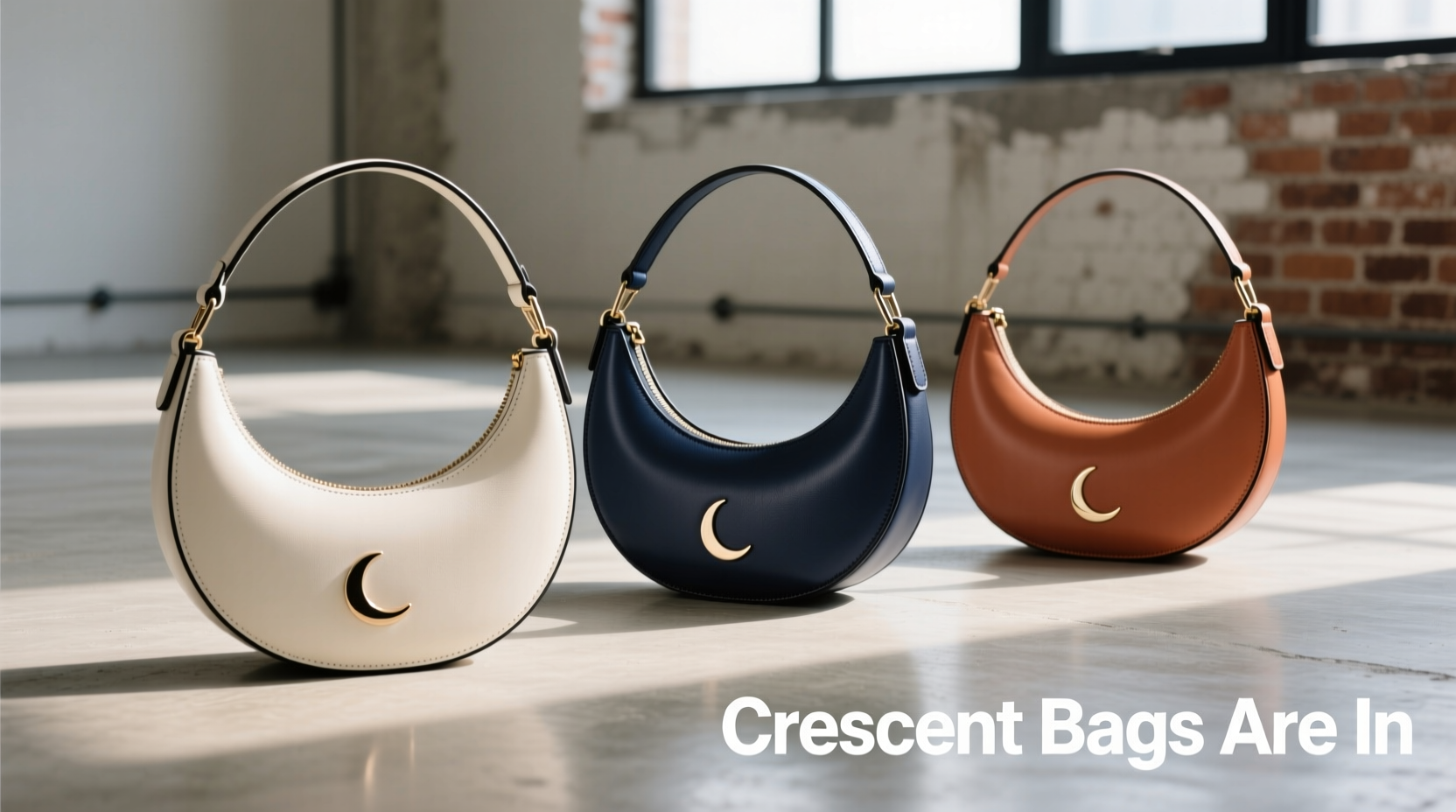
Crescent bags, named for their gentle arc resembling the moon’s crescent phase, have become synonymous with understated sophistication. Unlike the structured, often bulky designs of previous decades, crescent bags emphasize fluid lines, lightweight materials, and crossbody versatility. They’re designed for ease—slung effortlessly over one shoulder, resting naturally across the torso, and complementing both casual and elevated ensembles.
Brands like The Row, Totême, and Staud have led the charge, introducing clean-lined versions in neutral tones that appeal to the minimalist aesthetic dominating contemporary wardrobes. Even luxury houses such as Celine and Bottega Veneta have incorporated crescent-inspired shapes into their seasonal collections, signaling broader industry validation.
Tip: When choosing a crescent bag, prioritize proportion—ensure the curve complements your frame without overwhelming your silhouette.Why Saddle Bags Had Their Moment
Saddle bags first gained prominence in the early 2000s, thanks largely to Hermès’ iconic design introduced by Martin Margiela and later reimagined by John Galliano at Dior. Characterized by their asymmetrical flap and distinctive hardware, saddle bags were bold, sculptural, and instantly recognizable.
Their resurgence in the late 2010s was fueled by nostalgia and maximalist tendencies in fashion. Social media amplified their status as statement pieces—especially when spotted on celebrities like Rihanna, Bella Hadid, or Kim Kardashian. Smaller brands followed suit, offering affordable alternatives that brought the look within reach of everyday consumers.
But with every trend peak comes a plateau. As more people adopted the saddle shape, its novelty began to fade. What once felt daring started to feel predictable.
Design Fatigue and Market Saturation
One reason saddle bags appear to be receding is market saturation. At the height of their popularity, nearly every fast-fashion brand released a version, diluting the original allure. Additionally, the structured shape doesn’t always align with the current preference for relaxed, gender-fluid dressing.
“Trends move in reaction,” says fashion historian Dr. Lila Monroe.
“When a design becomes ubiquitous, the next wave naturally leans toward contrast. The crescent bag offers softness where the saddle was sharp—it’s a visual counterbalance.”
Comparing Crescent vs. Saddle: A Style Breakdown
| Feature | Crescent Bag | Saddle Bag |
|---|---|---|
| Silhouette | Soft, curved, horizontal line | Asymmetrical, vertical drape with flap |
| Wear Style | Crossbody or shoulder | Shoulder or crossbody (often slanted) |
| Versatility | High—pairs well with minimal and layered looks | Moderate—best with defined waistlines or tailored fits |
| Practicality | Lightweight, easy access to main compartment | Often smaller capacity; flap can obscure contents |
| Trend Longevity | Emerging as a modern classic | Past peak; now niche or vintage appeal |
Is the Saddle Bag Really Out?
Declaring any accessory “out” oversimplifies fashion’s cyclical nature. While saddle bags may no longer dominate trend reports, they haven’t disappeared. Instead, they’ve transitioned into what industry insiders call “legacy accessories”—pieces valued more for heritage and individual expression than mass appeal.
Vintage resale platforms like Vestiaire Collective and Rebag report steady demand for authenticated Dior Saddle bags, particularly limited editions. Meanwhile, younger consumers are repurposing older models through DIY customization—adding patches, chains, or paint—to reclaim them as personal statements rather than trend-chasing purchases.
In essence, the saddle bag hasn’t died; it’s matured.
Real Example: From Trend Staple to Personal Heirloom
Take Maya Chen, a 29-year-old creative director in Brooklyn. She bought her first Dior Saddle bag in 2020 during its revival peak. “I wore it constantly—at meetings, dinners, even concerts,” she recalls. “But by 2023, I noticed fewer people carrying it. It didn’t feel special anymore.”
Instead of selling it, she had the leather dyed black and added a custom woven strap. “Now it feels like mine again. I don’t wear it weekly, but when I do, it’s intentional.” Her experience reflects a broader shift: from trend participation to personal curation.
How to Navigate the Transition: A Practical Checklist
Whether you're building a new collection or reevaluating existing pieces, here’s how to adapt to the changing handbag landscape:
- ✅ Assess your lifestyle: Do you need hands-free convenience? Crescent bags excel here.
- ✅ Audit your current bags: Identify which serve function versus fleeting trend appeal.
- ✅ Invest in timeless shapes: Soft crescents in durable leather offer longevity.
- ✅ Reimagine older pieces: Customize or restyle saddle bags instead of discarding them.
- ✅ Prioritize quality over logo: Focus on craftsmanship, not just brand recognition.
- ✅ Rotate seasonally: Let go of the idea that one bag must dominate your rotation.
What’s Next? Predicting the Future of Handbag Trends
The dominance of crescent bags likely won’t last forever. Fashion thrives on contrast, so the next wave could bring back structure, volume, or unexpected proportions. However, several lasting shifts are influencing design direction:
- Comfort is king: Consumers increasingly value ergonomic designs that integrate seamlessly into daily life.
- Sustainability matters: Brands emphasizing repairability, recycled materials, and modular components are gaining ground.
- Gender-neutral appeal: Curved, unstructured shapes resonate with inclusive fashion movements.
- Digital visibility: Bags must photograph well—from TikTok angles to Instagram flat lays—driving demand for clean, photogenic forms.
These factors suggest that while the crescent shape may eventually wane, the principles behind its success—simplicity, comfort, adaptability—are here to stay.
FAQ: Your Questions Answered
Can I still wear a saddle bag in 2024?
Absolutely. While no longer trending, saddle bags remain stylish when styled intentionally. Pair them with modern cuts—wide-leg trousers or oversized blazers—to avoid looking dated.
Are crescent bags only for minimalists?
No. While they align well with minimalist aesthetics, crescent bags come in bold colors, textured leathers, and embellished finishes. Choose details that reflect your personality without compromising the shape’s elegance.
Will saddle bags come back in style?
Almost certainly—but not in the same form. Like all major trends, they’ll return reinterpreted: perhaps smaller, softer, or fused with new materials. Watch for nods in avant-garde collections within the next 3–5 years.
Final Thoughts: Evolution, Not Extinction
The narrative that “crescent bags are in, saddle bags are out” misses a deeper truth: fashion evolves through layers, not replacements. The crescent bag isn’t killing the saddle bag; it’s responding to a cultural desire for simplicity, movement, and subtlety.
Meanwhile, the saddle bag lives on—not as a must-have trend, but as a symbol of a moment, a personal story, or a collector’s item. Its legacy endures even as the spotlight shifts.
For the conscious dresser, this transition is an opportunity. It invites thoughtful selection, mindful ownership, and a deeper relationship with accessories—not just as fashion items, but as extensions of identity.
💬 What’s in your current rotation—a crescent, a saddle, or something entirely different? Share your go-to bag and why it works for you. Let’s celebrate personal style beyond the trend cycle.








