Dogs thrive on routine, but introducing novelty into their daily habits can spark joy and improve well-being. One such innovation gaining traction among pet owners is the water cup toy—a playful device designed to encourage dogs to drink from a cup rather than a traditional bowl. While it may sound simple, teaching a dog to drink from a cup requires patience, creativity, and positive reinforcement. When done right, this skill not only promotes better hydration but also strengthens the bond between pet and owner. More importantly, it can be especially useful during travel, outdoor adventures, or for dogs with mobility issues that make accessing bowls difficult.
Why Use a Water Cup Toy?
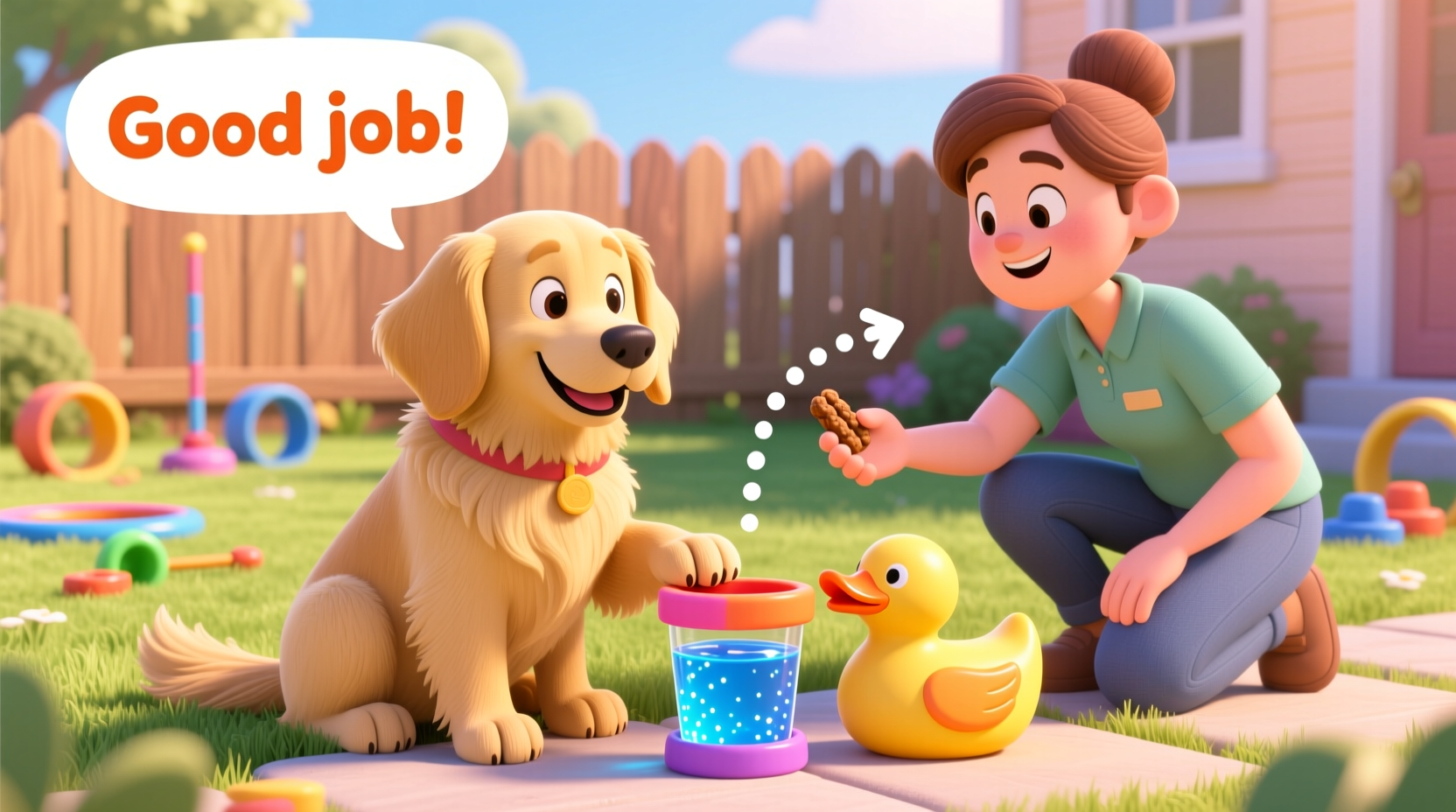
Traditional water bowls are functional, but they don’t always suit every situation. A water cup toy offers portability, reduces spills, and introduces an interactive element to drinking. For dogs that are hesitant to drink in unfamiliar environments—such as at parks, vet clinics, or during car rides—a familiar cup can provide comfort and consistency. Additionally, using a cup allows for more controlled hydration, which is beneficial for dogs recovering from illness or those prone to gulping water too quickly.
Training your dog to use a water cup toy taps into their natural curiosity and desire to please. With consistent practice and engaging methods, most dogs can learn this behavior within a few weeks.
Step-by-Step Training Process
Success begins with breaking the training into manageable stages. Rushing the process can lead to confusion or resistance. Follow this gradual timeline to ensure your dog feels confident at each step.
- Introduce the cup without water: Let your dog sniff and investigate the empty cup. Reward any interaction—nudging, pawing, or looking at it—with praise or a treat.
- Add a small amount of water: Once your dog is comfortable near the cup, pour in a teaspoon of water. If they lean in or lick it, reward immediately.
- Hold the cup at nose level: Gently hold the cup so it’s easy for your dog to access. Avoid forcing it; instead, wait for them to initiate contact.
- Encourage lapping motion: If your dog hesitates, dip your finger in water and let them lick it off near the cup. This mimics the action you want them to repeat.
- Increase water volume gradually: As confidence grows, add more water and phase out finger assistance. Continue rewarding successful attempts.
- Practice in different locations: Reinforce the behavior at home, then try outdoors or in the car to generalize the skill.
Creative Training Techniques That Work
Not all dogs respond to the same cues. Some are food-motivated, others respond better to play or voice commands. Incorporating variety keeps training engaging and increases success rates.
- The Lickable Treat Method: Spread a thin layer of low-sodium broth or wet dog food on the inside rim of the cup. As your dog licks the flavor, they’ll naturally encounter the water beneath.
- Mirror Training: Place a mirror behind the cup so your dog sees their reflection. Curiosity often drives them to investigate, increasing the chance of interaction.
- Cup Tapping Cue: Tap the side of the cup gently while saying a command like “drink.” Over time, this auditory cue signals it’s time to engage.
- Pair with a Favorite Toy: After a game of fetch, offer the water cup as a reward. Dogs are more likely to drink when thirsty, making post-play sessions ideal for training.
- Use Floating Toys: Add a small floating toy (like a rubber ball) to the water. Many dogs will paw or bite at it, leading them to taste the water in the process.
Common Challenges and How to Overcome Them
Even with the best approach, setbacks happen. Recognizing common obstacles—and knowing how to address them—can keep training on track.
| Challenge | Why It Happens | Solution |
|---|---|---|
| Dog ignores the cup | Lack of association between cup and reward | Pair cup with high-value treats; use flavored water temporarily |
| Dog knocks cup over | Overexcitement or clumsy exploration | Use a weighted or non-spill cup; practice with smaller amounts |
| Dog only drinks from bowl | Habitual preference | Gradually phase out bowl; offer cup first thing in morning or after walks |
| Dog fears the cup | Unfamiliar shape or sound (e.g., clinking) | Introduce slowly; let dog explore without pressure; avoid metal cups initially |
“Dogs learn through association. If the cup becomes linked with something enjoyable—like a treat, praise, or playtime—they’ll seek it out naturally.” — Dr. Lena Torres, Certified Canine Behaviorist
Mini Case Study: Training Bella the Rescue Beagle
Bella, a three-year-old beagle rescued from a shelter, was anxious around new objects. Her owner, Mark, wanted to teach her to use a collapsible silicone cup for hiking trips. At first, Bella avoided the cup entirely. Mark started by placing the empty cup near her bed with a piece of kibble inside. After two days, she sniffed it. He then added a few drops of chicken broth to the bottom. On day five, Bella licked the liquid. By week three, Mark could hold the cup, say “drink,” and Bella would eagerly lap from it. Today, she waits by the door with her cup when she sees the leash come out. The key? Patience, consistency, and pairing the cup with positive experiences.
Checklist: Essential Steps for Success
Follow this checklist to stay organized and monitor progress:
- ✅ Choose a dog-safe, shallow cup with a wide opening
- ✅ Begin training in a quiet, distraction-free area
- ✅ Use high-value rewards (treats, praise, toys)
- ✅ Practice daily for 5–10 minutes
- ✅ Gradually reduce treats as behavior becomes reliable
- ✅ Introduce the cup in new environments once mastered at home
- ✅ Monitor hydration levels to ensure your dog is drinking enough
Frequently Asked Questions
Can all dog breeds learn to use a water cup toy?
Yes, with proper adaptation. Small breeds and brachycephalic dogs (like Shih Tzus or Boston Terriers) may need cups with lower rims. Larger, energetic dogs might require sturdier models to prevent tipping. The training principles apply across breeds, though pacing should match the individual dog’s temperament and learning speed.
How long does it typically take to train a dog to use a water cup?
Most dogs show interest within the first few days, but full reliability can take 2–6 weeks. Consistent, short sessions yield better results than infrequent, longer ones. Factors like prior training experience, age, and confidence level influence the timeline.
Is it safe to flavor the water during training?
Yes, but only with dog-safe options. A small amount of unsalted bone broth, diluted wet food juice, or a splash of lactose-free dog milk can enhance appeal. Avoid anything with onions, garlic, xylitol, or artificial sweeteners, which are toxic to dogs.
Final Thoughts and Encouragement
Teaching your dog to use a water cup toy is more than a party trick—it’s a practical life skill that supports health, convenience, and adaptability. Whether you're hitting the trails, attending a dog-friendly event, or simply want to reduce mess at home, this training pays dividends. The techniques outlined here emphasize kindness, consistency, and creativity—cornerstones of effective dog education.
Every dog learns at their own pace. Celebrate small victories: a sniff, a lick, a moment of curiosity. These are the building blocks of trust and understanding. With time, your dog won’t just tolerate the cup—they’ll anticipate it.
🚀 Ready to start training? Grab a cup, pick a quiet time, and begin today. Share your progress in the comments—your journey might inspire another dog owner to try it too!








