The Kong toy has long been a staple in dog households for good reason. Its durable rubber construction, unpredictable bounce, and hollow center make it an ideal tool for mental stimulation, chewing satisfaction, and solo play. But simply handing your dog a plain Kong is only scratching the surface of its potential. With thoughtful customization and strategic use, you can transform this simple toy into a dynamic source of joy, learning, and engagement that keeps your dog mentally sharp and physically content—especially during times when you're busy or away.
Elevate the Experience with Creative Stuffing Techniques
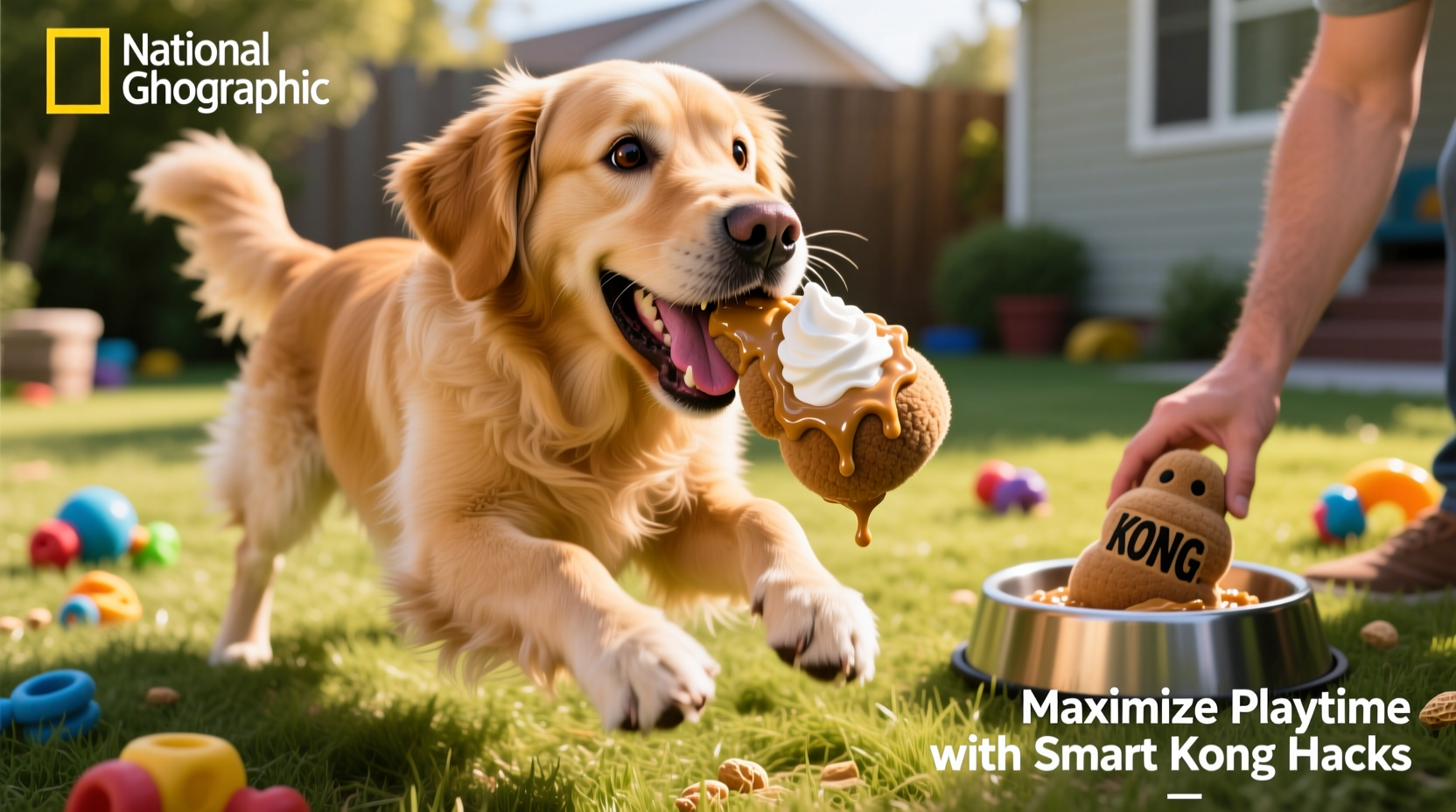
The core appeal of the Kong lies in its cavity, designed to be filled with treats, food, or frozen mixtures that challenge your dog to extract rewards through licking, pawing, and chewing. The key to maximizing enjoyment is variety and difficulty progression. Rotate stuffings weekly to maintain novelty and cater to your dog’s preferences and skill level.
Tip: Use a small spoon or piping bag to layer different textures inside the Kong for extended engagement.Start with easy fillers like peanut butter (xylitol-free), mashed banana, or canned pumpkin smeared on the inner walls. As your dog becomes more adept, introduce complex combinations such as:
- Mashed kibble mixed with plain yogurt and frozen
- Chopped boiled chicken blended with cottage cheese and frozen
- Mini meatballs layered with sweet potato puree
Freezing the stuffed Kong turns a five-minute snack into a 30-minute calming activity. For dogs prone to gulping, freezing adds safety by slowing consumption and reducing the risk of choking or digestive upset.
Use the Kong as a Training Reinforcement Tool
Integrating the Kong into daily training routines strengthens obedience while reinforcing positive associations. Instead of reaching for a flat treat after a successful command, reward your dog with access to a partially stuffed Kong. This method teaches patience and makes the toy more valuable than instant gratification.
For example, after completing a “stay” or “down” session, release your dog with a verbal cue like “Go get your Kong!” This builds excitement around listening and creates a clear link between behavior and reward. Over time, the Kong becomes not just a chew toy but a symbol of earned privilege.
“Dogs thrive on predictability and purpose. When a Kong is used strategically in training, it transforms from entertainment to motivation.” — Dr. Laura Bennett, Certified Animal Behaviorist
Create a Rotation System for Sustained Interest
Dogs, like humans, experience habituation—repeated exposure to the same stimulus reduces interest. To prevent Kong burnout, implement a rotation system with at least three different versions: one frozen, one soft-stuffed, and one empty for interactive bouncing games.
| Type | Purpose | Frequency |
|---|---|---|
| Frozen Kong | Long-duration mental engagement | 2–3 times per week |
| Soft-Stuffed Kong | Quick reward or post-walk treat | Daily (varied fillings) |
| Empty Kong | Interactive play, fetch, or tug base | As needed for exercise |
| Kong Wobbler (treat-dispensing variant) | Active problem-solving | Once weekly |
Store each type in labeled bins or bags so you can easily switch them out. A well-managed rotation keeps the Kong feeling new and exciting, even after months of use.
Build a Step-by-Step Enrichment Timeline
To fully harness the Kong’s potential, follow a structured timeline that matches your dog’s development and energy needs:
- Week 1–2: Introduction Phase – Offer the Kong with easy-to-remove fillings like peanut butter. Let your dog explore it in a quiet space without pressure.
- Week 3–4: Skill Building – Introduce frozen fillings and hide the Kong in visible spots around the room to encourage problem-solving.
- Month 2: Challenge Expansion – Add puzzle layers: insert smaller treats inside rolled-up pieces of deli meat before placing them in the Kong.
- Month 3+: Environmental Integration – Use the Kong as part of a broader enrichment routine—place it in a snuffle mat, hide it during indoor “seek,” or pair it with a calm-down command.
This gradual approach prevents frustration and ensures your dog views the Kong as a rewarding challenge rather than a confusing task.
Real-World Example: Managing Separation Anxiety with the Kong
Max, a 3-year-old Border Collie, exhibited pacing and whining whenever his owner left the apartment. Standard distractions failed to soothe him. His trainer recommended introducing a frozen Kong stuffed with scrambled eggs, shredded chicken, and low-sodium broth—frozen overnight.
The ritual was standardized: 15 minutes before departure, the owner would quietly place the frozen Kong in Max’s designated play area, paired with a “chew” command. Within two weeks, Max began anticipating the Kong with excitement instead of anxiety. He spent 40–50 minutes focused on extracting the food, allowing his owner to leave without triggering distress.
This case illustrates how the Kong, when used consistently and thoughtfully, can serve therapeutic purposes beyond mere entertainment.
Checklist: Optimize Your Kong Routine
- ✅ Rotate at least 3 types of Kongs (frozen, soft, empty)
- ✅ Use xylitol-free, dog-safe ingredients only
- ✅ Freeze complex stuffings for longer engagement
- ✅ Clean the Kong thoroughly after each use
- ✅ Introduce new fillings gradually to monitor digestion
- ✅ Pair Kong use with a consistent verbal cue (e.g., “Time for your Kong!”)
- ✅ Replace worn or cracked Kongs to avoid choking hazards
Frequently Asked Questions
How often should I give my dog a Kong?
Most dogs benefit from daily Kong sessions, especially during high-stress periods or when left alone. Limit calorie-dense stuffings to 1–2 times per day, adjusting meals accordingly to maintain healthy weight.
Can puppies use Kongs too?
Absolutely. Use puppy-specific softer Kongs (like the Kong Puppy version) and fill with soft foods like soaked kibble or mashed banana. Freezing helps soothe teething discomfort.
What if my dog loses interest quickly?
Lack of interest often stems from overuse or predictable fillings. Try rotating toys, increasing stuffing complexity, or using higher-value ingredients like real meat or cheese. Also ensure the Kong size matches your dog’s breed—too large or too small can deter interaction.
Conclusion: Turn Playtime into Purposeful Engagement
The Kong toy is far more than a chewable object—it’s a gateway to mental wellness, behavioral balance, and deeper human-canine connection. By applying creative stuffing methods, integrating it into training, and managing its use with intention, you unlock lasting benefits that go beyond momentary distraction. Whether you’re helping a high-energy dog burn focus, supporting an anxious pet through transitions, or simply enriching everyday life, the Kong remains one of the most versatile tools in modern dog care.
💬 Have a favorite Kong recipe or success story? Share your insights with fellow dog lovers in the comments—your idea might inspire someone else’s breakthrough!








