
Cats are natural hunters, and their instinct to stalk, pounce, and bat at moving objects doesn’t disappear just because they live indoors. Providing mental stimulation through play is essential for a happy, healthy feline. While store-bought toys have their place, some of the most engaging and effective options can be made right at home—often from items already in your recycling bin or junk drawer. The best part? These DIY cat toys are not only cost-effective but also customizable to your cat’s unique personality and preferences.
The key to successful homemade cat toys lies in safety and creativity. Avoid small parts that could be swallowed, toxic materials, or anything with sharp edges. Focus on movement, texture, and sound—elements that trigger curiosity and mimic prey-like behavior. Below are five innovative, vet-aligned DIY toy ideas that are as safe as they are stimulating.
1. Crinkle Tube Tunnel: A Hide-and-Seek Haven
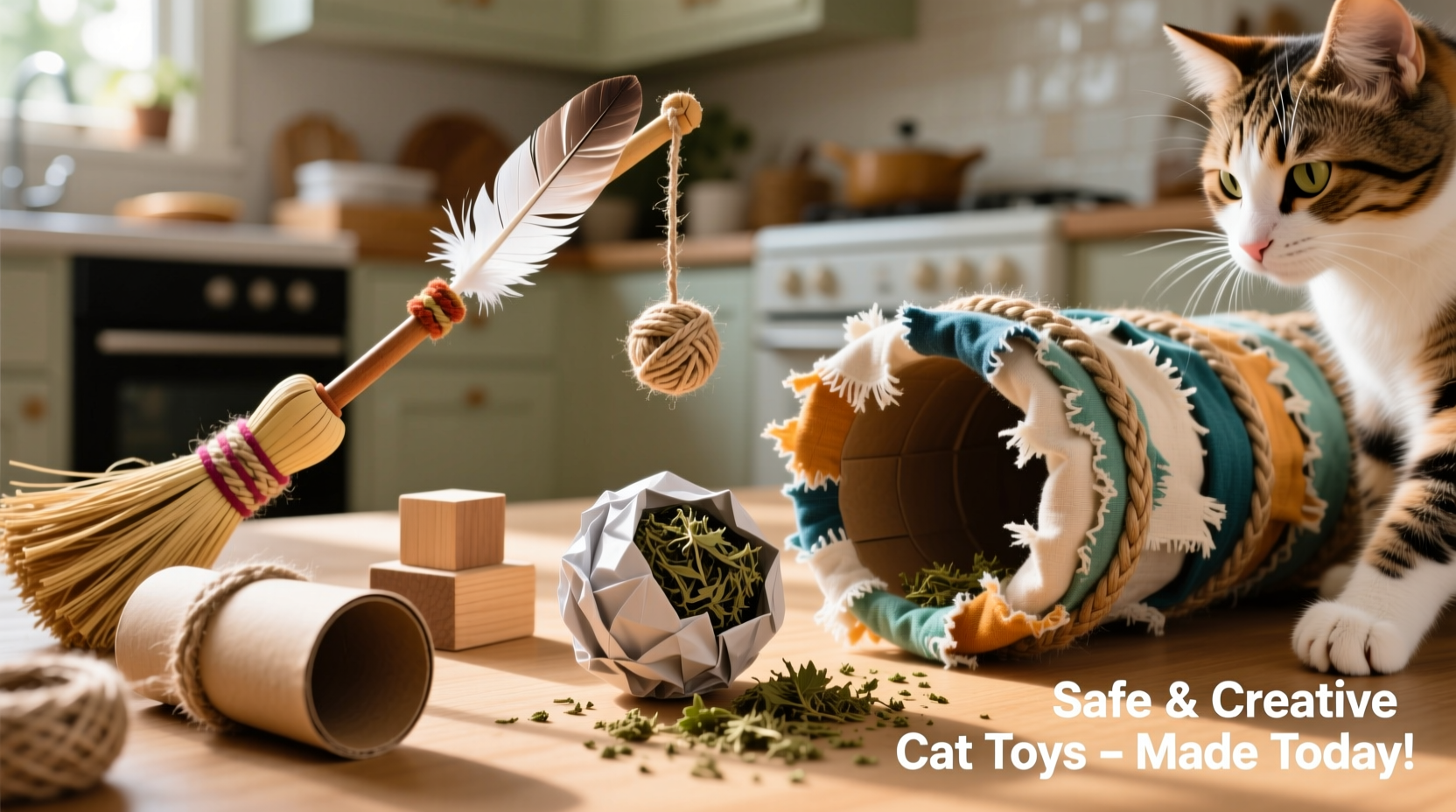
Cardboard tubes from paper towels or wrapping paper become instant cat entertainment when linked together into a crinkly tunnel. Cats love confined spaces where they can hide, peek out, and ambush imaginary prey.
- Gather 3–5 large cardboard tubes (from paper towels or gift wrap).
- Use non-toxic tape to connect them end-to-end in a zigzag or straight line.
- Insert aluminum foil or wax paper loosely inside each tube to create a crinkling sound when nudged.
- Secure the entire structure to the floor or wall if your cat is a vigorous player.
This tunnel encourages physical activity and satisfies territorial instincts. For extra engagement, dangle a feather toy near one end to entice exploration.
2. Fleece Ribbon Wands: Safe Interactive Play
Unlike string-based toys that pose ingestion risks, fleece ribbon wands offer fluttering motion without fraying or breaking apart. They’re perfect for interactive play that strengthens the bond between cat and owner.
Materials Needed:
- A wooden dowel or old chopstick (6–8 inches long)
- Colorful fleece fabric strips (1 inch wide, 12 inches long)
- Non-toxic glue or strong tape
Assembly Steps:
- Cut three 1-inch-wide strips from different colored fleece pieces.
- Knot them together at one end.
- Attach the knotted end securely to the dowel using glue or tape.
- Allow drying time (if using glue) before use.
Wave the wand in erratic patterns across the floor or just above paw level. The soft rustling and unpredictable movement simulate birds or insects in flight.
“Interactive play with wand toys helps prevent behavioral issues like nighttime zoomies and overgrooming.” — Dr. Lena Patel, Feline Behavior Consultant
3. Toilet Paper Roll Treat Puzzle
Mental enrichment is just as important as physical exercise. A treat-dispensing puzzle made from toilet paper rolls challenges your cat’s problem-solving skills and slows down fast eaters.
How to Build It:
- Take an empty toilet paper roll and flatten one end slightly.
- Fold the flattened edge inward to close one side (like a mini envelope).
- Fill the tube with a few kibble pieces or freeze-dried treats.
- Fold the other end closed—but not too tightly—so your cat can nudge it open.
- Place several filled rolls in a quiet area and let your cat discover them.
You can also group multiple rolls in a shallow box to increase difficulty. Rotate new scents (catnip, silvervine) inside occasionally to maintain interest.
Tip: Supervise your cat the first time they interact with the puzzle to ensure they don’t chew and swallow the cardboard.4. No-Catnip Sensory Bag
Not all cats respond to catnip—one study estimates only 30–50% are genetically sensitive to it. For those indifferent to traditional herbs, try a sensory bag filled with alternative attractants.
| Safe Fillers | Why It Works | Precautions |
|---|---|---|
| Silvervine powder | Triggers euphoric response in 70%+ of cats | Use sparingly; may cause temporary hyperactivity |
| Valerian root (crushed) | Calming yet stimulating scent | Keep away from dogs; strong odor |
| Crinkled tissue paper | Sound mimics rustling prey | Ensure no staples or ink residue |
To assemble: Cut a clean sock (no holes) or small muslin bag. Add one tablespoon of chosen filler and tie the opening tightly with cotton string. Let your cat bat it around. Replace contents every 3–4 days.
5. Bottle Cap Click Track
For cats who love batting small objects, this indoor “pinball” game provides hours of solo entertainment. It uses repurposed plastic lids and a shoebox base to create a clickety-clack track that rewards movement.
Construction Guide:
- Find a sturdy shoebox lid (without the top flap).
- Collect 5–6 clean plastic bottle caps (soda or water bottles).
- Use non-toxic glue to attach popsicle sticks vertically along the inner sides to form bumpers.
- Glue down a few small cardboard rolls in the center as obstacles.
- Let dry completely before adding caps.
Place the box on a flat surface and show your cat how the caps slide and click. Some cats will paw at them immediately; others may need encouragement with a fingertip push.
“My rescue cat was shy and withdrawn until I introduced the bottle cap track. Now he spends 20 minutes a day playing independently—his confidence has soared.” — Mark T., Portland, OR
Safety Checklist Before You Begin
Before introducing any DIY toy, run through this vet-recommended checklist to ensure your cat stays safe:
- ✅ All materials are non-toxic and free from chemical residues
- ✅ No loose strings longer than 2 inches (risk of entanglement or ingestion)
- ✅ Nothing small enough to fit entirely in your cat’s mouth
- ✅ No staples, pins, or sharp edges
- ✅ Toys are inspected daily for wear and tear
- ✅ Supervision during first few uses
- ✅ Remove toys when not in use to prevent chewing or destruction
FAQ: Common Questions About Homemade Cat Toys
Are DIY cat toys really safe?
Yes—if constructed with care. Always prioritize non-toxic, durable materials and avoid components that can break off. Supervise initial interactions and retire toys at the first sign of damage.
What if my cat ignores the toy after one day?
Cats habituate quickly. Rotate toys every few days to maintain novelty. Store unused ones out of sight, then reintroduce later. Adding a new scent (like silvervine) can reignite interest.
Can I use rubber bands or yarn?
No. Rubber bands can snap and injure, and yarn poses a severe intestinal blockage risk if ingested. Stick to secure, enclosed designs or supervised wand-style play only.
Conclusion: Spark Joy Without Spending a Dime
Enriching your cat’s environment doesn’t require expensive gadgets or fancy packaging. With a little imagination and everyday recyclables, you can craft toys that tap into primal instincts, reduce stress, and promote healthy activity. The safest and most effective DIY toys aren’t about complexity—they’re about movement, sound, and surprise.
Start with one design today. Watch how your cat responds. Adjust based on their preferences—some love chasing, others prefer pouncing or sniffing. Over time, you’ll build a rotating collection of personalized playthings that keep your feline engaged and fulfilled.
🚀 Grab a cardboard tube and a pair of scissors—your cat’s next favorite toy is 10 minutes away. Share your creation online and inspire other pet parents to play smarter!








