A dog’s crate should be more than just a functional space—it can become a cozy retreat that reflects both your pet’s personality and your home’s aesthetic. While many owners opt for off-the-shelf covers, creating a custom dog cage cover allows you to tailor fit, fabric, insulation, and design to your specific needs. Whether you’re aiming for warmth during winter, privacy for an anxious pet, or simply a stylish upgrade, a handmade cover offers unmatched versatility. This guide walks through the smartest, most effective methods to craft a cover that balances comfort, durability, and visual appeal.
Why Customize Your Dog Cage Cover?
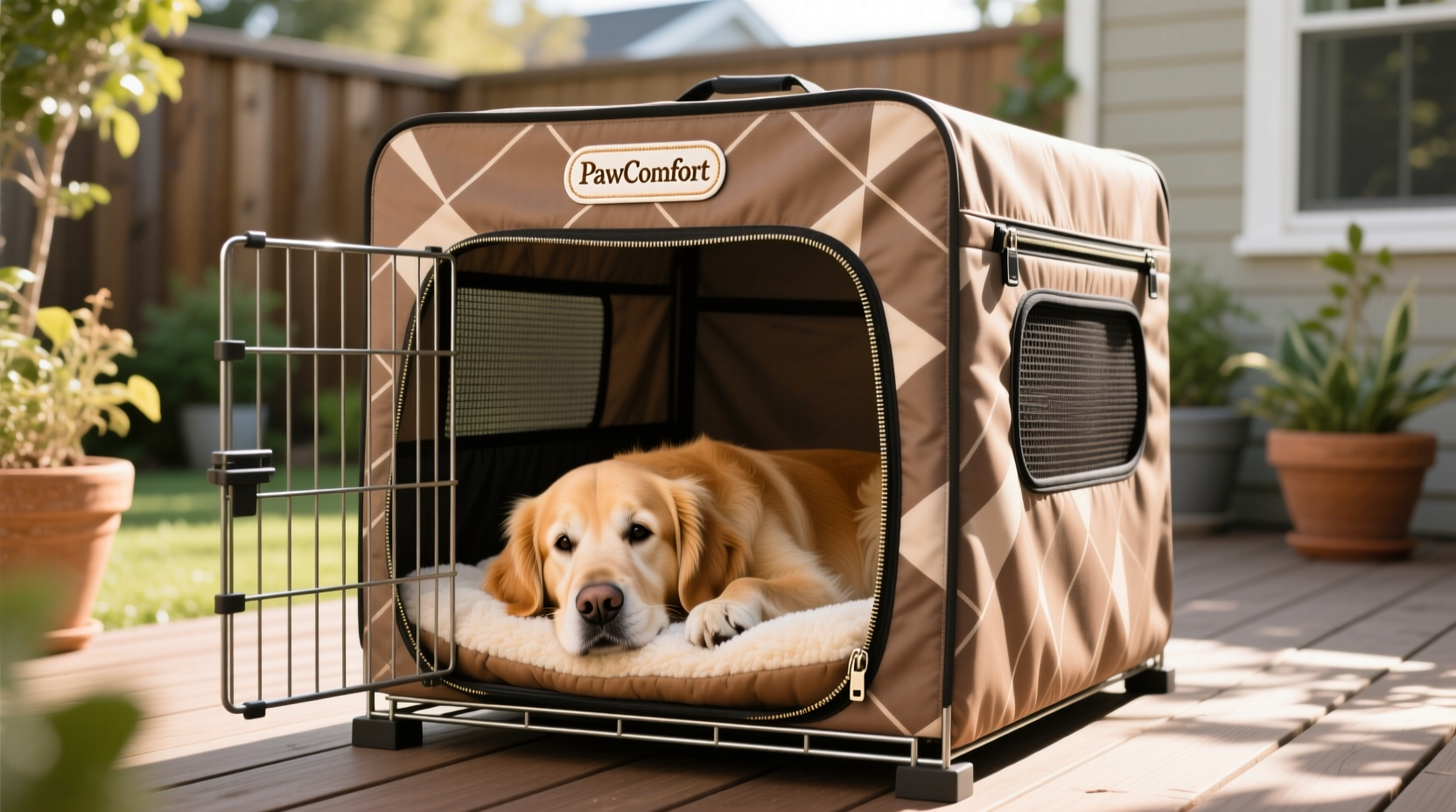
Pre-made crate covers often fall short in fit, material quality, or design flexibility. A custom cover lets you address exact dimensions, choose breathable or insulated fabrics, and incorporate features like removable panels or ventilation zones. Beyond utility, it adds a personal touch—imagine a cover that matches your living room decor or features your dog’s name embroidered on the side.
Additionally, dogs thrive in environments that feel secure. A well-designed cover reduces visual stimuli, minimizes noise, and creates a den-like atmosphere. For pets with anxiety, reactivity, or sensitivity to light, this small change can significantly improve their emotional well-being.
Tip: Use blackout fabric on one side and decorative cotton on the other for a reversible cover that adapts to different needs.Materials That Work Best for Dog Crate Covers
Selecting the right materials is critical for longevity, comfort, and ease of maintenance. The ideal cover balances softness, structure, and washability. Below is a breakdown of top-performing fabrics and linings:
| Material | Best For | Washability | Notes |
|---|---|---|---|
| Cotton Canvas | Durability & style | Machine washable | Sturdy but may require lining for insulation |
| Fleece | Warmth & softness | Machine wash, low heat dry | Great for winter; avoid in hot climates |
| Minky Fabric | Luxury feel | Hand or gentle machine wash | Pet-safe texture; resists pilling |
| Blackout Lining | Light blocking & sound dampening | Spot clean only | Use as inner layer; not standalone |
| Waterproof Vinyl | Spill protection | Wipe clean | Use on bottom panel; avoid full enclosure (traps moisture) |
For structural support, consider adding fusible interfacing to fabric panels. This gives the cover shape without rigidity, helping it drape neatly over the crate while resisting sagging over time.
Step-by-Step Guide to Building a Custom Crate Cover
Creating a tailored cover doesn’t require advanced sewing skills. Follow this straightforward process to build a professional-looking result.
- Measure your crate precisely. Record height, width, and depth of each side, including the door panel. Add 1–2 inches on all sides for seam allowance and overlap.
- Sketch a layout. Draw a simple net diagram of the crate showing front, back, sides, top, and optional door flap. Label each section with its measurements.
- Cut fabric accordingly. Use sharp fabric scissors and lay material flat. Cut outer fabric and lining separately if using double layers.
- Sew panels together. Start with side seams, then attach front and back. Use a ½-inch seam allowance and backstitch at edges for durability.
- Add functional details. Install Velcro strips along edges for easy removal, or include tie closures with grosgrain ribbon at corners.
- Finish edges. Hem raw edges or use bias tape to prevent fraying, especially on high-wear areas like the bottom hem.
- Test fit and adjust. Drape the cover on the crate and check for gaps or tight spots. Modify as needed before finalizing.
Incorporating Smart Design Features
Elevate your cover beyond basic coverage by integrating thoughtful upgrades:
- Ventilation panels: Use mesh fabric on one side or upper section to allow airflow while maintaining privacy.
- Removable inserts: Sew pockets to hold thin foam or batting for extra insulation during colder months.
- Door flaps with magnetic closures: Make access easier for pets while keeping the interior dark and quiet.
- Personalization: Add embroidery, appliqué, or iron-on patches with your dog’s name or a fun motif.
- Adjustable straps: Include elastic or webbing loops to secure the cover tightly, preventing shifting.
“Dogs respond positively to environmental control. A thoughtfully designed crate cover can reduce stress by up to 40% in reactive animals.” — Dr. Lena Torres, Veterinary Behavior Specialist
Real-Life Example: Transforming a Standard Crate into a Cozy Retreat
Sarah from Portland adopted a rescue terrier named Milo who was terrified of household noises. His wire crate sat in the living room, but he refused to enter unless supervised. After researching calming spaces, Sarah built a custom cover using navy canvas with a black fleece interior and mesh ventilation on the back panel. She added a magnetic flap closure and sewed in a thin insulating liner.
She also embroidered “Milo’s Den” above the entrance. Within days, Milo began voluntarily retreating to his crate during thunderstorms. The cover blocked visual distractions and softened ambient sound, making the space feel secure. Sarah now rotates two washable covers—one lightweight for summer, one padded for winter—keeping hygiene and comfort in balance.
Checklist: Building Your Dog Crate Cover
Before starting your project, ensure you have everything ready:
- ✔ Measured crate dimensions
- ✔ Chosen fabric (outer + optional lining)
- ✔ Matching thread, scissors, pins
- ✔ Sewing machine or needle for hand-sewing
- ✔ Closure system (Velcro, ties, snaps)
- ✔ Optional: interfacing, insulation, mesh panel
- ✔ Embellishments (patches, embroidery floss)
- ✔ Washing supplies for pre-treatment
Common Mistakes to Avoid
Even well-intentioned designs can backfire if key considerations are overlooked. Steer clear of these pitfalls:
- Using non-breathable materials entirely: Avoid covering every surface with vinyl or thick polyester. Trapped moisture encourages bacteria and discomfort.
- Ignoring accessibility: If the cover blocks easy access, you’re less likely to open it regularly, reducing crate usage.
- Skipping secure fasteners: Loose covers can bunch up, posing a tripping hazard or getting chewed.
- Overlooking washability: Choose machine-washable fabrics or plan for removable liners to maintain hygiene.
- Poor fit: Gaping sides defeat the purpose of privacy and insulation. Precision matters.
Frequently Asked Questions
Can I use old clothes or blankets to make a crate cover?
Yes, repurposed textiles work well for lightweight covers. However, ensure fabrics are sturdy enough to withstand daily use and washing. Reinforce thin areas with interfacing and avoid stretchy knits that lose shape.
How do I clean a custom dog crate cover?
Most fabric covers can be spot-cleaned or machine-washed on a gentle cycle. Remove any inserts first. Air-dry when possible to preserve fabric integrity. For covers with non-washable components (like blackout lining), consider a removable inner liner for easier cleaning.
Will a cover make the crate too hot?
Potentially. Always include ventilation—either through mesh panels or strategic openings near the top. In warm climates, use lighter fabrics like cotton instead of fleece, and avoid enclosing the entire crate. Monitor your dog’s behavior; panting or reluctance to enter may indicate overheating.
Final Thoughts: Turn Function into Comfort and Style
A custom dog cage cover is more than a sewing project—it’s an investment in your pet’s emotional comfort and your home’s harmony. With careful planning, the right materials, and a few smart design choices, you can transform a standard wire crate into a sanctuary your dog loves. Whether you prioritize temperature regulation, noise reduction, or aesthetic integration, customization puts you in control.
🚀 Start today: Measure your crate, pick a fabric that speaks to your style, and create a space your dog will cherish. Share your finished project online to inspire fellow pet owners!








