Dogs thrive on engagement. Without sufficient mental stimulation, even the most physically tired dog can become restless, destructive, or anxious. Boredom often leads to chewing, barking, digging, or other unwanted behaviors—not out of defiance, but because their natural instincts aren’t being met. The key to a happy, well-behaved dog lies not just in long walks, but in consistent mental enrichment throughout the day. By incorporating creative and practical activities into your routine, you can transform idle hours into opportunities for learning, problem-solving, and fun.
Why Mental Stimulation Matters as Much as Exercise
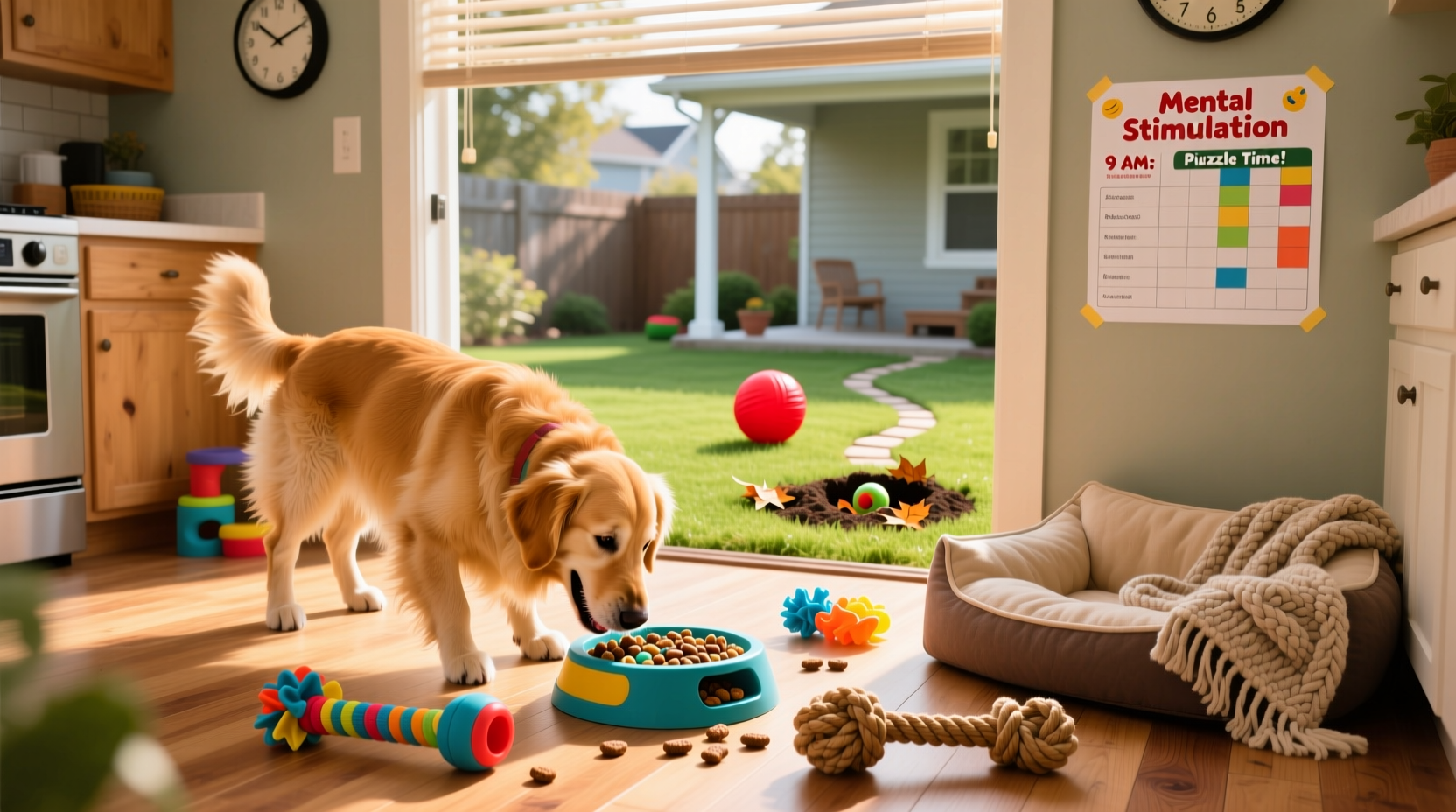
Physical exercise keeps a dog’s body healthy, but mental exercise maintains emotional balance. A study published in *Applied Animal Behaviour Science* found that dogs given puzzle feeders showed significantly reduced signs of stress and repetitive behaviors compared to those fed from bowls. Mental challenges activate the brain’s reward centers, release endorphins, and provide a sense of accomplishment—similar to how solving a crossword or completing a project affects humans.
Dogs are natural foragers, hunters, and problem solvers. Breeds like Border Collies, Australian Shepherds, and Terriers were developed for complex tasks and require high cognitive engagement. But even companion breeds like Pugs or Shih Tzus benefit from daily brain games. Ignoring this need can lead to:
- Excessive barking or whining
- Chewing furniture or shoes
- Escaping or pacing
- Separation anxiety
- Difficulty settling down
“A tired dog is not always a happy dog. A mentally engaged dog is a fulfilled dog.” — Dr. Karen Becker, Integrative Veterinarian
Creative DIY Enrichment Activities You Can Start Today
You don’t need expensive toys or professional training tools to challenge your dog’s mind. Simple household items can be repurposed into engaging puzzles and games. The goal is to encourage sniffing, searching, manipulating objects, and making decisions.
Tip: Rotate enrichment toys weekly to maintain novelty and prevent habituation.1. The Muffin Tin Game
Place tennis balls in a muffin tin and hide treats underneath. Let your dog use her nose and paws to flip the balls and retrieve rewards. For added difficulty, mix in empty cups.
2. Towel Roll Treat Hunt
Roll small treats in a bath towel and let your dog unroll it with her nose and teeth. This mimics the act of unpacking prey and satisfies investigative instincts.
3. Cardboard Box Puzzle
Fill a shoebox with crumpled paper and tuck treats inside. Close the flaps and let your dog tear it apart. Supervise to avoid ingestion of non-edible materials.
These low-cost games tap into your dog’s natural curiosity and can be completed in under 15 minutes—perfect for mornings before work or during lunch breaks.
Structured Routine for All-Day Engagement
Mental stimulation shouldn’t be limited to a single session. A balanced daily schedule spreads cognitive challenges across waking hours, preventing energy spikes and downtime slumps.
| Time of Day | Activity | Duration | Mental Focus |
|---|---|---|---|
| 7:00 AM | Snuffle mat breakfast | 10–15 min | Foraging & scent work |
| 9:00 AM | Indoor fetch or tug game | 10 min | Motor skills & decision-making |
| 12:00 PM | Puzzle feeder (e.g., Kong or Nina Ottosson) | 20–30 min | Problem-solving |
| 3:00 PM | Training session (new trick or recall practice) | 10–15 min | Focus & obedience |
| 6:00 PM | Nosework game (hide treats in room) | 15 min | Scent discrimination |
| 8:00 PM | Chew toy (stuffed marrow bone or bully stick) | 30+ min | Calming oral fixation |
This structure ensures your dog remains occupied without overstimulation. Adjust based on age, breed, and energy level—puppies may need shorter, more frequent sessions, while senior dogs benefit from low-impact puzzles.
Real-Life Example: Transforming a Destructive Beagle
Max, a 2-year-old Beagle, was chewing baseboards and tearing up trash when left alone. His owner, Sarah, worked full-time and assumed long weekend walks were enough. After consulting a behaviorist, she introduced structured mental exercises.
She started with a snuffle mat each morning, followed by a frozen Kong stuffed with yogurt and blueberries placed in his crate during work hours. In the evenings, she played “find the treat” using numbered cups. Within three weeks, Max’s destructive habits ceased. He spent solo time calmly working on puzzles instead of fixating on forbidden objects.
The change wasn’t due to increased physical activity—it came from redirecting his powerful sense of smell and problem-solving drive into appropriate outlets.
Essential Checklist for Daily Mental Enrichment
Use this checklist to ensure your dog receives consistent cognitive engagement:
- ✅ Provide at least one food-dispensing toy per day (Kong, Toppl, or DIY)
- ✅ Hide meals using scatter feeding or puzzle bowls
- ✅ Practice 1–2 short training sessions (5–10 minutes) with new cues or tricks
- ✅ Incorporate scent games (e.g., hiding treats under cups)
- ✅ Rotate toys weekly to sustain interest
- ✅ Allow sniffing time on walks—don’t rush every outing
- ✅ Offer safe chewables that require effort (e.g., stuffed marrow bones)
- ✅ Use background sounds (dog-specific music or audiobooks) when alone
Frequently Asked Questions
How do I know if my dog is mentally stimulated enough?
A mentally satisfied dog will nap peacefully after activity, show reduced attention-seeking behaviors, and remain calm during downtime. Signs of under-stimulation include obsessive licking, pacing, excessive barking, or sudden bursts of energy indoors.
Can too much mental exercise tire out a dog?
Yes—mental fatigue is real. Overworking a dog with back-to-back training or complex puzzles can lead to frustration or shutdown. Watch for yawning, turning away, or pawing at you to stop. Balance intense sessions with quiet time and physical movement.
Are certain breeds more in need of mental stimulation?
All dogs benefit, but herding, sporting, and working breeds (e.g., Border Collies, Retrievers, Malinois) have higher cognitive needs due to their breeding history. However, even smaller or less active breeds enjoy and benefit from brain games tailored to their abilities.
Conclusion: Build a Smarter, Happier Dog Every Day
Keeping your dog mentally stimulated doesn’t require endless time or money—just intentionality and consistency. By integrating simple challenges into daily life, you honor your dog’s intelligence and instincts. These moments of engagement strengthen your bond, reduce behavioral issues, and create a more harmonious home.
💬 Ready to revolutionize your dog’s day? Pick one new tip from this article and try it tomorrow. Share your experience in the comments—what surprised you? What did your dog love most?








