Dog toys are essential for mental stimulation, physical exercise, and bonding—but they can quickly turn a clean living space into a chaotic mess. Squeaky dinosaurs, chewed ropes, tennis balls, and plush animals tend to scatter across floors, hide under furniture, and pile up in corners. The good news: with thoughtful organization, you can maintain a clutter-free home while still giving your dog full access to their favorite playthings. The key is combining creativity, functionality, and consistency.
Assess Your Dog’s Toy Collection
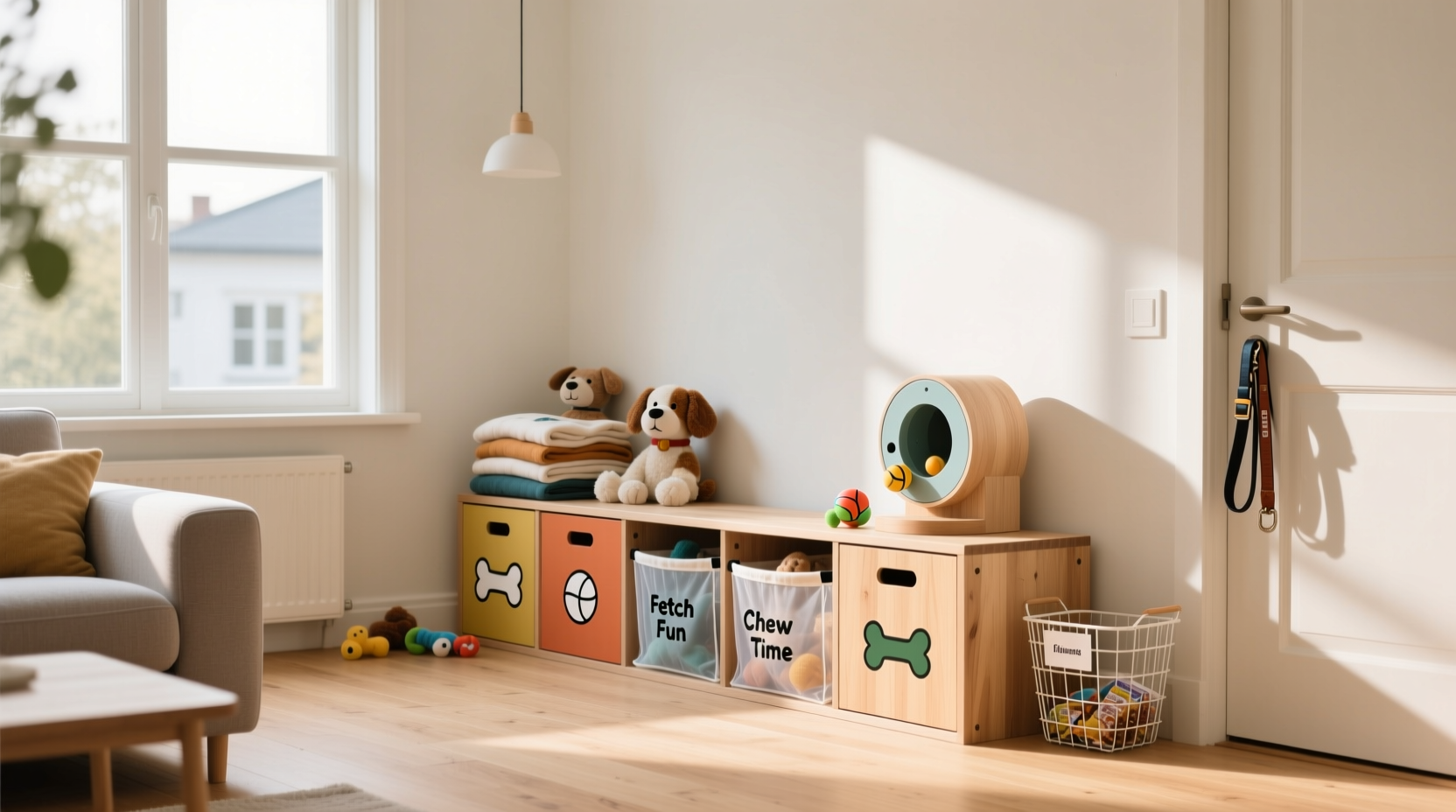
Before diving into storage solutions, take inventory of what you actually have. Many pet owners unknowingly accumulate duplicates or keep damaged toys that should be discarded. Begin with a dedicated sorting session:
- Gather every toy from around the house and yard.
- Categorize them by type: chew toys, fetch toys, puzzle toys, plush toys, etc.
- Inspect each one for wear and safety hazards like loose stuffing, broken parts, or frayed strings.
- Discard any unsafe items and donate gently used ones if appropriate.
Rotating toys not only minimizes visual chaos but also renews your dog’s interest. A toy forgotten for a few weeks often feels brand-new when reintroduced.
Choose the Right Storage Solutions
The best storage method depends on your space, decor, and dog’s behavior. Some dogs are gentle with containers; others will flip bins to get at their toys. Consider both aesthetics and durability when selecting organizers.
| Storage Type | Best For | Pros | Cons |
|---|---|---|---|
| Basket or Bin | Living rooms, nurseries | Stylish, blends with decor | May tip over with eager dogs |
| Wall-Mounted Pockets | Small spaces, garages | Saves floor space | Limited capacity |
| Toy Chest with Lid | Families with multiple pets | Keeps toys contained and dust-free | Requires lifting lid |
| Hanging Mesh Organizer | Porch, mudroom, laundry area | Ventilated, easy to clean | Not ideal for plush toys |
| Under-Bed Storage Boxes | Bedrooms, low-traffic zones | Out of sight, maximizes unused space | Less accessible for daily use |
For homes with limited space, vertical storage is a game-changer. Wall-mounted fabric pockets originally designed for baby toys work perfectly for smaller dog items like tug ropes and rubber rings. In larger areas, a rustic wooden chest labeled “Dog Zone” adds charm while containing mess.
Create Zones for Play and Rest
Just as humans benefit from designated spaces for work, sleep, and leisure, dogs thrive in structured environments. Establish clear zones in your home:
- Play Zone: Near the back door or in a durable-floored area (e.g., kitchen or mudroom) with a basket of fetch and chew toys.
- Quiet Zone: In the bedroom or living room, include soft puzzle toys or calming chews in a lidded container.
- Outdoor Zone: Store fetch toys like balls and frisbees in a weatherproof bin near the patio.
This zoning approach prevents toys from migrating everywhere. It also helps train your dog to associate certain areas with specific activities, reducing anxiety and reinforcing boundaries.
“Dogs respond well to environmental cues. When toys are stored consistently in designated spots, they learn where to find them—and where to leave them.” — Dr. Laura Mendez, Certified Animal Behaviorist
A Step-by-Step Guide to Weekly Toy Maintenance
Maintaining order requires routine. Follow this simple weekly plan to stay ahead of clutter and ensure hygiene:
- Sunday Evening – Gather & Sort: Collect all toys from indoor and outdoor areas. Separate by category and check for damage.
- Monday – Clean & Sanitize: Wash plush toys in mild detergent. Soak rubber toys in a vinegar-water solution (1:3 ratio). Rinse and air dry.
- Tuesday – Rotate: Put away 3–4 toys and reintroduce previously stored ones. This keeps playtime exciting.
- Friday – Reassess Storage: Wipe down bins, reposition misplaced containers, and vacuum around play zones.
- Saturday – Reward & Reinforce: Use organized toys during training or bonding sessions to positively reinforce the system.
Real-Life Example: The Smith Family’s Toy Turnaround
The Smiths, a family of four with two energetic border collies, used to battle a sea of toys in their open-concept living area. Tennis balls rolled under the couch, stuffed squirrels lost their squeakers, and chew bones appeared mysteriously in bedrooms. After implementing a zone-based system, they installed a canvas hanging organizer in the mudroom for outdoor toys and placed a wicker basket beside the backyard gate. Indoors, they chose a cushioned ottoman with hidden storage for plush toys—a dual-purpose seating and organizational piece.
Within three weeks, the living room was consistently toy-free except during supervised play. The dogs adapted quickly, learning to go to the mudroom after walks to pick a toy. The parents reported less stress and more intentional playtime. “It’s amazing how much calmer the house feels,” said Sarah Smith. ��And the dogs seem to enjoy the routine.”
Checklist: Organizing Your Dog’s Toys in One Weekend
Use this checklist to transform your space efficiently:
- ☐ Gather all dog toys from every room and outdoor area
- ☐ Discard broken, dirty, or unsafe toys
- ☐ Sort remaining toys into categories (chew, fetch, puzzle, plush)
- ☐ Choose 3–4 storage solutions based on space and lifestyle
- ☐ Assign a designated zone for each toy type
- ☐ Label containers clearly for household consistency
- ☐ Set a recurring calendar reminder for weekly cleaning and rotation
Frequently Asked Questions
How many toys should my dog have out at once?
Most experts recommend limiting visible toys to 5–7 at a time. Too many options can overwhelm dogs and lead to destructive behavior. Rotating toys weekly maintains novelty and reduces clutter.
Can I use regular household storage bins for dog toys?
Yes, but choose durable, non-toxic materials. Avoid flimsy plastic that a strong dog might chew through. Opt for bins with smooth edges and consider adding rubber feet to prevent sliding.
What’s the best way to clean smelly dog toys?
For non-electronic plush toys, wash in warm water with pet-safe detergent and a splash of baking soda. Rubber and nylon toys can be soaked in a mix of water and white vinegar (1:3) for 10–15 minutes, then scrubbed and rinsed. Always air dry completely before returning to storage.
Final Thoughts: Tidy Home, Happy Dog
Organizing dog toys isn’t about perfection—it’s about creating a sustainable system that works for both pets and people. When toys have a clear home, cleanup becomes effortless, playtime becomes more intentional, and your living space remains inviting. The effort you invest in thoughtful storage pays off in reduced stress, improved hygiene, and a stronger bond with your dog.
💬 Ready to reclaim your floors? Start today with one bin and a 20-minute sorting session. Share your before-and-after story or tag us in your organized dog corner—we’d love to see your creative solutions!








