For many dogs, especially larger breeds or those with joint issues, eating from a floor-level bowl can strain their neck, shoulders, and spine. A raised dog feeder promotes better posture during meals, supports healthy digestion, and reduces the risk of bloat—a serious condition in deep-chested breeds. While commercial options exist, building your own DIY raised dog bowl stand offers customization, cost savings, and a personal touch that matches your home aesthetic. From rustic wood designs to modern pipe frames, these projects combine functionality with creativity.
Why Elevate Your Dog’s Food and Water Bowls?
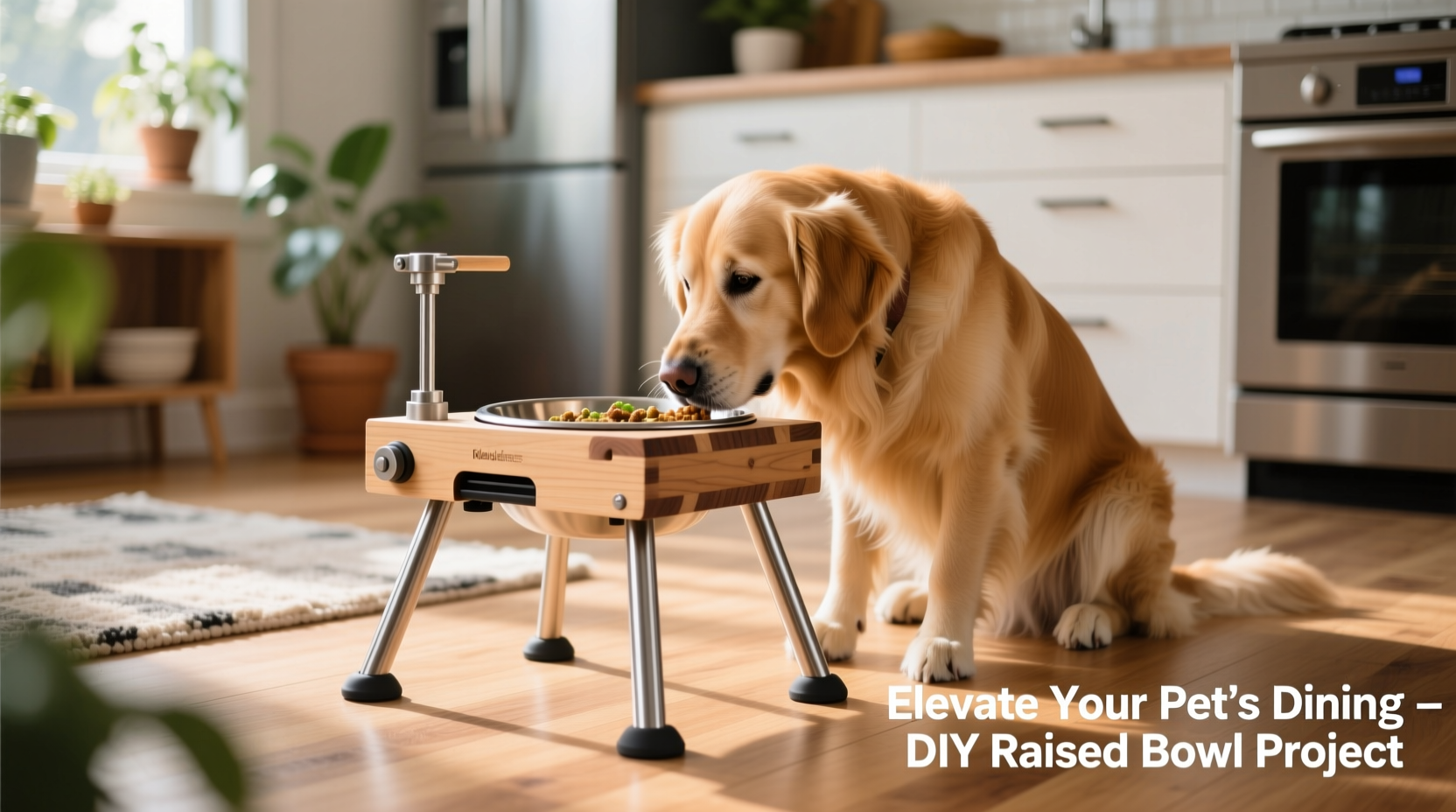
Raising food and water bowls to an appropriate height aligns your dog’s spine during meals, reducing strain on joints and muscles. Veterinarians often recommend elevated feeders for large and giant breeds such as Great Danes, German Shepherds, and Labradors. Proper elevation helps prevent excessive bending, which over time can contribute to arthritis or musculoskeletal discomfort.
A well-designed raised stand also lifts bowls off cold or damp floors, minimizing contamination and making cleanup easier. For homes with tile or hardwood, a stable platform prevents sliding and noise during enthusiastic mealtimes.
“Elevating food bowls isn’t just about convenience—it’s a small adjustment that can significantly improve long-term joint health and digestive function in dogs.” — Dr. Rebecca Langston, DVM, Canine Wellness Specialist
Choosing the Right Height for Your Dog
The ideal height for a raised dog bowl is approximately one-third of your dog’s shoulder height (measured from the ground to the top of the shoulders). This ensures a neutral head and neck position while eating.
Tip: Measure your dog while standing on a flat surface. Use a tape measure vertically from the floor to the withers (shoulder ridge), then divide by three. Round to the nearest 2-inch increment for ease of construction.For example, a dog with a shoulder height of 24 inches should use a feeder around 8 inches tall. Puppies and growing dogs may need adjustable stands to accommodate development.
Dog Size & Recommended Feeder Heights
| Dog Weight | Shoulder Height (approx.) | Recommended Bowl Height |
|---|---|---|
| Under 20 lbs | 10–15 inches | 3–5 inches |
| 20–50 lbs | 16–22 inches | 5–7 inches |
| 50–90 lbs | 23–28 inches | 8–9 inches |
| Over 90 lbs | 29+ inches | 10–12 inches |
Step-by-Step Guide: Building a Sturdy Wooden Raised Dog Bowl Stand
A wooden stand is durable, customizable, and blends well with most home interiors. This project uses basic tools and materials available at any hardware store.
- Gather Materials: Two 1x12 pine boards (cut to 24” length), four 2x2 wooden legs (length based on dog size), wood screws, wood glue, sandpaper, non-toxic wood finish or sealant.
- Cut and Sand: Cut the top platform to 24” x 12”. Sand all edges smooth to prevent splinters.
- Attach Legs: Position one 2x2 leg at each corner underneath the platform. Secure with wood screws and reinforce with wood glue for stability.
- Create Bowl Cutouts: Trace the bottom of your dog’s bowls onto the platform. Use a jigsaw to carefully cut circular openings, slightly smaller than the bowl base to prevent slipping.
- Finish Surface: Apply a pet-safe sealant or natural beeswax to protect against moisture and spills. Allow to dry completely before use.
- Add Non-Slip Base (Optional): Attach rubber pads to the bottom of each leg to prevent scratching floors.
Innovative DIY Ideas for Unique Raised Feeders
Beyond standard wood builds, consider these creative alternatives that add personality and functionality.
1. Pipe and Wood Industrial Feeder
Combine black iron pipes with a reclaimed wood top for a modern, industrial look. The pipes act as legs and can be adjusted for precise height. Use flanges to secure the wood and ensure stability.
2. Pallet Mini Table
Repurpose a small section of a wooden pallet into a charming, eco-friendly stand. Sand thoroughly and raise the deck with added legs if needed. Ideal for outdoor or garage feeding stations.
3. Concrete Block Base with Wood Top
Stack two cinder blocks sideways and place a thick, sealed wooden slab across the top. This ultra-sturdy option works well for powerful dogs who might tip lightweight stands.
4. Adjustable PVC Frame
Use PVC pipes and connectors to create a lightweight, washable frame. Though less rigid than wood, this design is excellent for temporary setups or travel. Customize height with different pipe lengths.
5. Wall-Mounted Flip-Up Station
For space-saving solutions, build a wall-mounted shelf that folds down at mealtime. Hinges allow it to flip up when not in use—perfect for apartments or narrow kitchens.
Checklist: Pre-Build Planning Essentials
- ✅ Measure your dog’s shoulder height accurately
- ✅ Choose non-toxic, pet-safe materials
- ✅ Select bowls that fit securely in the stand
- ✅ Confirm structural stability (no wobbling)
- ✅ Plan for easy cleaning (removable trays, wipeable surfaces)
- ✅ Consider weight—heavy enough not to tip, but movable if needed
- ✅ Account for future growth if building for a puppy
Mini Case Study: Helping Max Eat Comfortably
Max, a 75-pound Labrador Retriever, began showing signs of stiffness after meals. His owner, Sarah, noticed he would hunch deeply while eating and sometimes refused his food. After consulting her vet, she learned that Max’s feeding posture was likely contributing to neck strain.
Sarah built a simple wooden stand using leftover cedar planks, setting the height at 7 inches—exactly one-third of Max’s shoulder measurement. Within days, Max stood straighter during meals and finished his food without hesitation. Six months later, his overall mobility improved, and Sarah credits the change partly to better ergonomics at mealtimes.
She later added a removable tray underneath to catch spills, making cleanup effortless. “It took me three hours and under $20,” she said. “Now Max eats like a gentleman—and my kitchen stays clean.”
Common Mistakes to Avoid
- Setting the bowl too high: Over-elevation forces the dog to reach upward, straining the back and shoulders.
- Using unstable materials: Lightweight plastic or flimsy metal frames can tip easily, creating frustration and mess.
- Skipping non-slip features: Without grip, bowls slide during meals, discouraging consistent use.
- Ignoring cleanability: Crumbs and moisture trapped under bowls promote bacteria—design for access and drainage.
- Building only for looks: Aesthetic appeal matters, but never compromise safety or function.
Frequently Asked Questions
Can a raised feeder prevent bloat?
No definitive evidence proves that raised feeders prevent gastric dilatation-volvulus (bloat). Some studies suggest they may increase risk in certain breeds. Always consult your veterinarian, especially if your dog is predisposed to bloat. Slowing down meals with puzzle feeders and avoiding exercise around mealtimes are more effective preventive measures.
How do I clean a DIY dog bowl stand?
Wipe down wooden surfaces weekly with a pet-safe cleaner. Remove bowls daily and wash both the stand and dishes. For sealed wood or metal frames, a damp cloth suffices. Avoid soaking wooden parts to prevent warping or mold.
Are there breed-specific considerations?
Yes. Deep-chested breeds like Dobermans and Standard Poodles benefit from proper elevation but require careful monitoring. Brachycephalic dogs (e.g., Bulldogs) may prefer lower heights due to breathing mechanics. Always tailor the design to your pet’s individual needs.
Final Thoughts and Call to Action
Improving your dog’s mealtime experience doesn’t require expensive gear or professional help. With a few tools and some thoughtful planning, you can build a raised dog bowl stand that enhances comfort, supports health, and reflects your personal craftsmanship. Whether you choose a minimalist pipe frame or a hand-sanded oak platform, the benefits go beyond function—your dog will eat more comfortably, and you’ll take pride in providing a solution made with care.
🚀 Ready to build something your dog will love? Pick a design, gather your supplies, and start crafting today. Share your finished project online and inspire other pet owners to elevate their pet care—one bowl at a time!








