Every cat owner knows the routine: scoop, dump, rinse, repeat. But what happens when your plastic scoop breaks—or worse, disappears into the depths of the litter box? Instead of rushing to buy a replacement, consider making your own. Crafting a durable, functional cat litter scoop at home is not only cost-effective but also an opportunity to repurpose materials you already have. With a bit of ingenuity and basic tools, you can create a custom scoop that fits your needs, lasts longer, and reduces plastic waste.
Why Make Your Own Cat Litter Scoop?
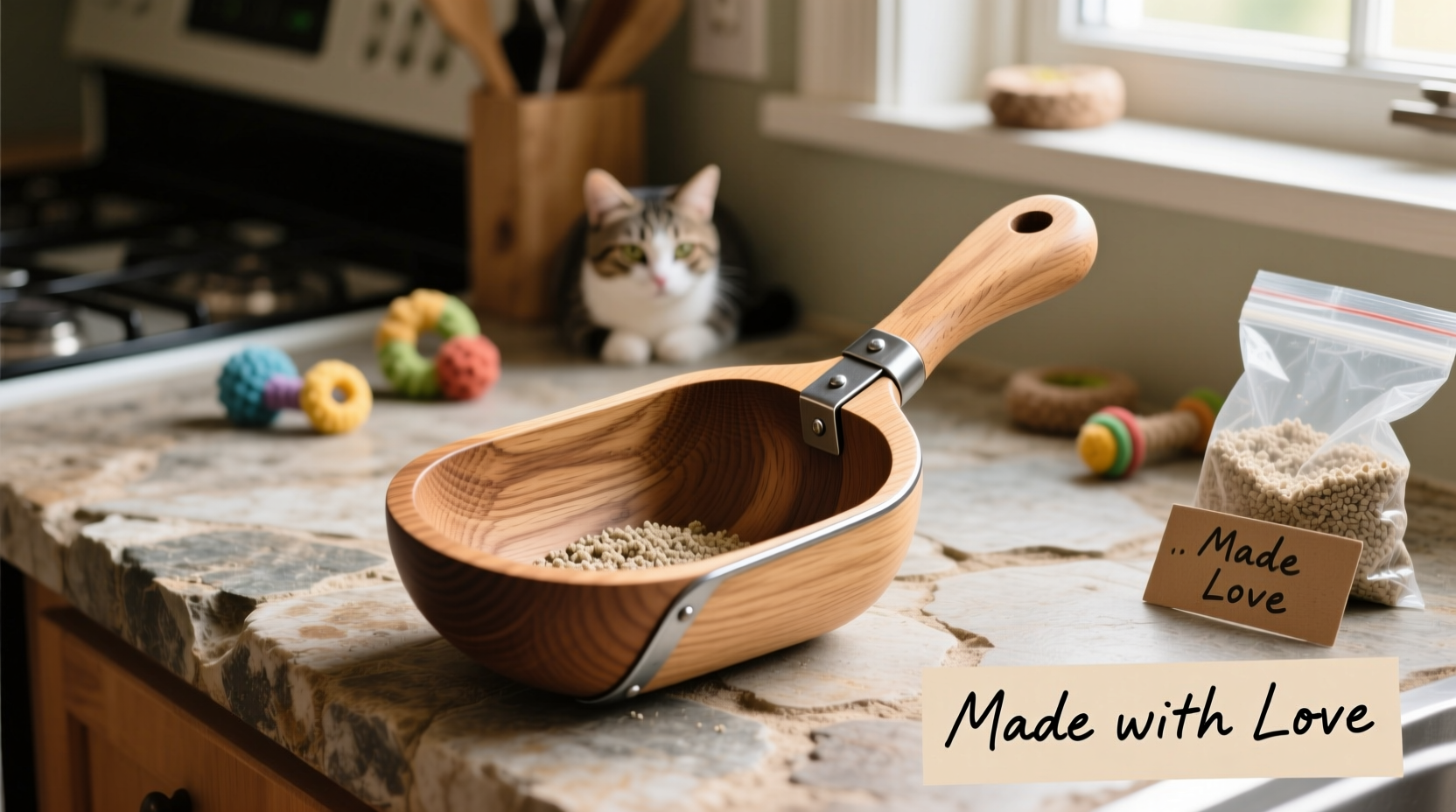
Commercial scoops often fail within months due to weak plastic or poor design. Many are too small, too flimsy, or clog easily. By crafting your own, you gain control over size, shape, durability, and ergonomics. Homemade scoops can be tailored to your litter box depth, your cat’s digging habits, and even your hand size. Plus, using recycled or repurposed materials supports sustainable living.
“DIY pet tools aren’t just about saving money—they’re about solving real problems with smart, personalized design.” — Dr. Lena Patel, Animal Behavior & Pet Product Consultant
Materials You Can Use (And What to Avoid)
The key to a durable homemade scoop lies in choosing the right material. Not all plastics or metals are suitable. Some warp under pressure, while others degrade when exposed to moisture or ammonia from urine.
| Material | Pros | Cons | Best For |
|---|---|---|---|
| HDPE Plastic (e.g., milk jugs) | Durable, chemical-resistant, easy to cut | May crack over time if thin | Light-duty daily scooping |
| PVC Pipe End Caps | Sturdy, pre-shaped, water-resistant | Limited size options | Compact litter boxes |
| Aluminum Baking Sheet | Rigid, rust-resistant, long-lasting | Requires metal cutting tools | Heavy-duty, frequent use |
| Recycled Garden Trowel | Already shaped for scooping, strong handle | May need modification | Deep litter boxes |
| Low-Density Plastic (e.g., grocery bags) | Easily accessible | Not durable, tears quickly | Avoid |
Step-by-Step: How to Build a Scoop from a Plastic Bottle
One of the easiest and most effective methods uses a large HDPE container—like a gallon milk jug. This project takes under 30 minutes and requires minimal tools.
- Gather supplies: A clean 1-gallon plastic jug, permanent marker, utility knife or scissors, ruler, fine-grit sandpaper.
- Cut the base: Mark a rectangle on the bottom third of the jug, approximately 4 inches wide by 5 inches tall. Cut along the lines carefully.
- Create the handle: From the remaining side of the same panel, cut a 1-inch-wide strip extending up to the original jug handle. This becomes your grip.
- Shape the scoop: Round the bottom corners of the rectangular scoop to help it glide through litter.
- Drill or punch holes: Use a heated nail or drill to make 6–8 small holes (¼ inch) in the scoop face for sifting.
- Sand edges: Smooth all cut surfaces to avoid cuts and snagging.
- Test and adjust: Try it in your litter box. If it digs too deep, trim the height slightly.
This DIY version is lightweight, effective, and fully recyclable when retired.
Upgrade Option: The Aluminum Scoop for Long-Term Use
If you're looking for something more robust, consider crafting a scoop from an old aluminum baking sheet. This version resists cracking, won’t bend under pressure, and handles clumping litter with ease.
- Trace a trowel or commercial scoop onto the metal.
- Cut with aviation snips or a rotary tool with a metal-cutting blade.
- Bend the top 1.5 inches backward at a 90-degree angle to form a comfortable handle.
- Punch or drill sift holes using a hole saw or center punch.
- Finish with sanding and a light coat of food-safe mineral oil to resist oxidation.
While this method requires more effort, the resulting scoop can last for years—even through heavy use with multiple cats.
Mini Case Study: Sarah’s Multi-Cat Household Solution
Sarah, a shelter volunteer and owner of three cats, grew tired of replacing flimsy scoops every few weeks. After one broke mid-scoop, she decided to experiment. Using a discarded garden trowel with a wooden handle, she cut the metal head down to fit her low-sided litter box and drilled 10 evenly spaced holes. She then wrapped the handle in waterproof tape for better grip.
The result? A scoop that lasted over two years with no signs of wear. “It glides through the litter like butter,” she said. “And I didn’t spend a dime—I used scrap from my garage.”
Checklist: Building a Successful DIY Cat Litter Scoop
Before starting your project, review this checklist to ensure safety, functionality, and longevity:
- ✅ Choose a rigid, non-porous material (HDPE, aluminum, PVC)
- ✅ Ensure the scoop width matches your litter box interior
- ✅ Include 6–12 sift holes (¼ to ½ inch diameter)
- ✅ Design a comfortable, secure handle
- ✅ Smooth all edges to prevent injury
- ✅ Test in actual litter before finalizing
- ✅ Label your scoop if sharing space with others
Common Mistakes to Avoid
Even simple DIY projects can go wrong if key details are overlooked. Here are frequent pitfalls:
- Using brittle plastic: Yogurt containers or thin packaging may crack under pressure.
- Too many or too few holes: Over-drilling weakens structure; under-drilling reduces sifting efficiency.
- Ignores ergonomics: A poorly angled handle causes wrist strain over time.
- Skipping edge finishing: Sharp plastic or metal edges can cut hands or damage litter box liners.
Frequently Asked Questions
Can I use a 3D printer to make a cat litter scoop?
Yes, but choose a high-strength filament like PETG or ABS. PLA, while common, can become brittle over time with repeated stress and exposure to moisture.
How do I clean a homemade scoop?
Rinse with warm water and mild dish soap after each use. For deeper cleaning, soak in a 1:10 vinegar-water solution weekly to neutralize odors. Avoid harsh chemicals that could degrade plastic or metal finishes.
Will a DIY scoop hold up with clumping litter?
Absolutely—if built correctly. Clumping litter is heavier, so prioritize rigidity and adequate hole size (at least 3/8 inch) to prevent clogging. Aluminum and thick HDPE perform best.
Final Thoughts and Call to Action
Crafting your own cat litter scoop isn’t just a clever hack—it’s a step toward smarter, more sustainable pet care. Whether you repurpose a milk jug or fashion a precision tool from aluminum, the process empowers you to solve everyday problems with creativity and confidence. These DIY scoops prove that durability doesn’t require expensive materials, just thoughtful design.
🚀 Ready to ditch the broken plastic scoops? Grab a spare container or scrap metal and build your custom solution today. Share your design in the comments—your idea might inspire another cat lover to craft their own!








