
Cats are natural hunters. Even well-fed indoor felines carry the instinct to stalk, pounce, and search for food. When this behavior isn’t channeled, boredom can set in—leading to overgrooming, nighttime zoomies, or even aggression. One of the most effective ways to satisfy a cat’s predatory drive is through foraging toys. These tools mimic the effort of hunting by requiring cats to work for their food or treats, providing both mental stimulation and physical activity. The best part? You don’t need to buy expensive gadgets. With a few common household items and a bit of creativity, you can design enriching foraging experiences that keep your cat happily occupied.
Why Foraging Toys Matter for Cat Well-Being
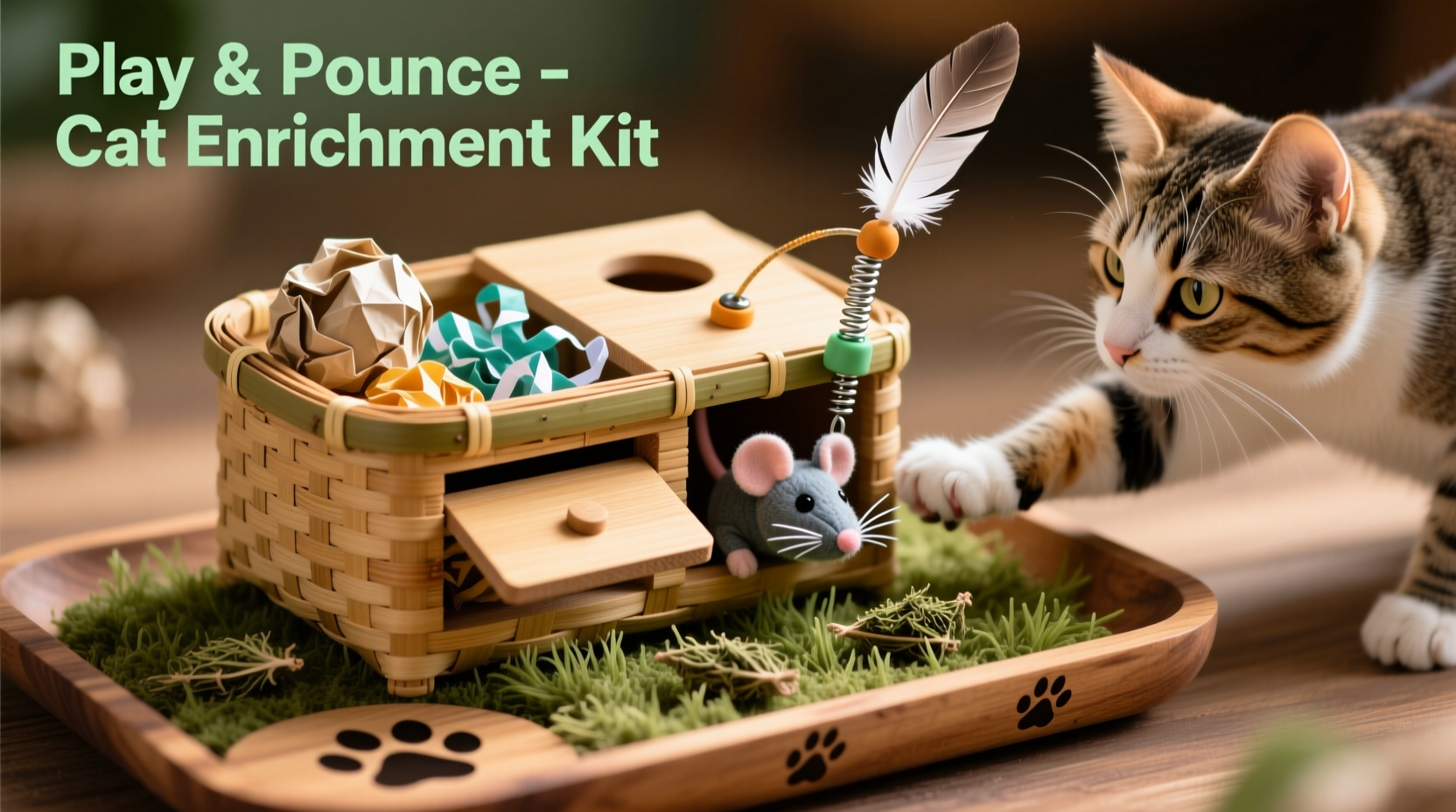
Foraging isn’t just play—it’s essential enrichment. In the wild, cats spend hours each day searching for food. Indoor cats, however, often eat from a bowl with no effort, which can dull their senses and lead to behavioral issues. Introducing foraging challenges restores a sense of purpose and control.
Studies show that environmental enrichment, including food puzzles, reduces stress and obesity in cats. Dr. Mikel Delgado, a certified cat behavior consultant, emphasizes:
“Cats thrive on predictability and control. Foraging gives them agency over how they earn food, which supports emotional health and reduces anxiety.” — Dr. Mikel Delgado, Feline Behavior Scientist
Engaging a cat’s mind is as important as exercise. A stimulated cat is less likely to develop destructive habits and more likely to be calm, confident, and content.
DIY Foraging Toy Ideas Using Household Items
You don’t need to visit a pet store to create effective foraging toys. Most materials can be found in your kitchen, recycling bin, or craft drawer. Below are five creative yet simple designs that encourage problem-solving and movement.
1. Muffin Tin Maze
Place a standard muffin tin on the floor. Put treats or kibble in a few of the cups, then cover all the cups with tennis balls or crumpled paper. Your cat will bat the covers away to find the hidden food. To increase difficulty, use larger balls or alternate treat locations.
Tip: Start with uncovered treat cups and gradually add obstacles to avoid frustrating beginners.2. Cardboard Box Puzzle
Cut holes of varying sizes into a medium cardboard box. Place small paper bags or toilet paper rolls inside, each containing a treat. Close the box flaps and let your cat explore. The rustling sounds and confined space make it extra enticing.
3. Water Bottle Dispenser
Clean an empty plastic water bottle and remove the label. Cut a small hole near the bottom—large enough for kibble to fall out when nudged. Add dry food, replace the cap, and let your cat roll it around. This toy encourages pushing and batting, mimicking prey movement.
4. Paper Bag Hideaway
Fill a brown paper bag with crumpled tissue and a few treats. Fold the top closed or leave it open depending on your cat’s skill level. Many cats love the sound of crinkling paper and will paw and chew until they uncover the prize.
5. Towel Roll Game
Lay a towel flat, place treats in the center, and roll it tightly. Fold the ends inward to seal. Your cat must unroll or tear into the towel to access the food. Use old towels to avoid waste.
Step-by-Step Guide to Introducing Foraging Toys
Introducing new toys too quickly can overwhelm your cat. Follow this timeline to ensure a smooth transition:
- Day 1–2: Demonstrate the toy. Show your cat how it works by releasing a treat manually. Let them watch you nudge the bottle or lift a ball from the muffin tin.
- Day 3–4: Offer partial access. Leave one treat exposed so they get rewarded for initial interest. Gradually hide more.
- Day 5–7: Increase challenge slightly. Add more barriers or reduce treat quantity while maintaining positive reinforcement.
- Week 2 onward: Rotate toys. Use a different toy every few days to prevent habituation and maintain curiosity.
Monitor your cat’s response. If they walk away or seem stressed, simplify the task. Success should feel achievable, not frustrating.
Do’s and Don’ts of Homemade Foraging Toys
| Do’s | Don’ts |
|---|---|
| Use non-toxic materials (e.g., plain cardboard, untreated paper) | Use containers with sharp edges or staples |
| Supervise first interactions | Leave string, ribbon, or tape accessible (choking hazard) |
| Adjust difficulty based on age and mobility | Overfill toys—cats lose interest if rewards come too easily |
| Wash reusable parts weekly | Use spoiled or sticky foods that attract pests |
Real Example: Helping Luna Overcome Boredom
Luna, a 4-year-old domestic shorthair, lived in a quiet apartment with her owner, Mark. She had toys, a window perch, and daily play sessions, but began waking Mark at 3 a.m. for attention. After consulting a veterinary behaviorist, Mark learned Luna was bored—not hungry, but under-stimulated.
He started with a muffin tin game using her morning kibble. At first, Luna stared at it. Mark demonstrated by rolling a ball aside to reveal a treat. By day three, she was swatting the balls herself. Within a week, her nighttime activity dropped significantly. Now, Luna spends 10–15 minutes each morning “hunting” her breakfast, followed by a nap—a clear sign of satisfaction.
Mark rotates between the muffin tin, a cardboard puzzle box, and a crinkle bag. “It takes me five minutes to set up,” he says, “but it keeps her busy and calm for hours.”
Frequently Asked Questions
Can kittens and senior cats use foraging toys?
Absolutely. Kittens benefit from early cognitive development, while seniors enjoy low-impact mental engagement. Adjust toy size and difficulty—use larger openings for arthritic cats or wobbly seniors, and softer materials for teething kittens.
What kinds of food should I use?
Dry kibble works best for most DIY toys because it flows easily and doesn’t spoil. If using wet food or soft treats, reserve them for supervised play and clean the toy immediately after. Avoid toxic foods like onions, garlic, or chocolate—even in tiny amounts.
How often should I use foraging toys?
Integrate them daily if possible. Replace one meal portion with foraging time. Even 5–10 minutes twice a day makes a difference. Rotate toys every few days to sustain interest.
Checklist: Building Your First Foraging Toy
- Choose a safe container (muffin tin, box, bottle)
- Gather non-toxic, bite-safe materials (paper, fabric, rubber balls)
- Select appropriate-sized openings for treat release
- Use your cat’s regular food or approved treats
- Test the toy yourself to ensure treats dispense with moderate effort
- Supervise the first use and adjust as needed
- Label and store toys for rotation
Conclusion: Enrichment Is Care
Creating foraging toys isn’t just about keeping your cat busy—it’s about honoring their nature. Every swipe, nudge, and discovery fulfills a deep-seated instinct. These simple projects take little time but yield lasting benefits: sharper minds, healthier bodies, and stronger bonds between you and your cat.
💬 Start today: Pick one item from your recycling bin and turn it into a puzzle. Share your creation or ask questions in the comments—let’s build a community of enriched, happy cats together!








