Bringing a new puppy home is joyful, but the first few nights can be challenging—especially when your puppy cries in the crate at night. This behavior is normal, stemming from separation anxiety, fear of the unknown, or basic needs like hunger or elimination. However, with patience, consistency, and the right approach, you can successfully crate train your puppy and eliminate nighttime crying. The goal isn’t just silence—it’s building a safe, positive association with the crate so your puppy views it as a den, not a prison.
Why Puppies Cry in the Crate at Night
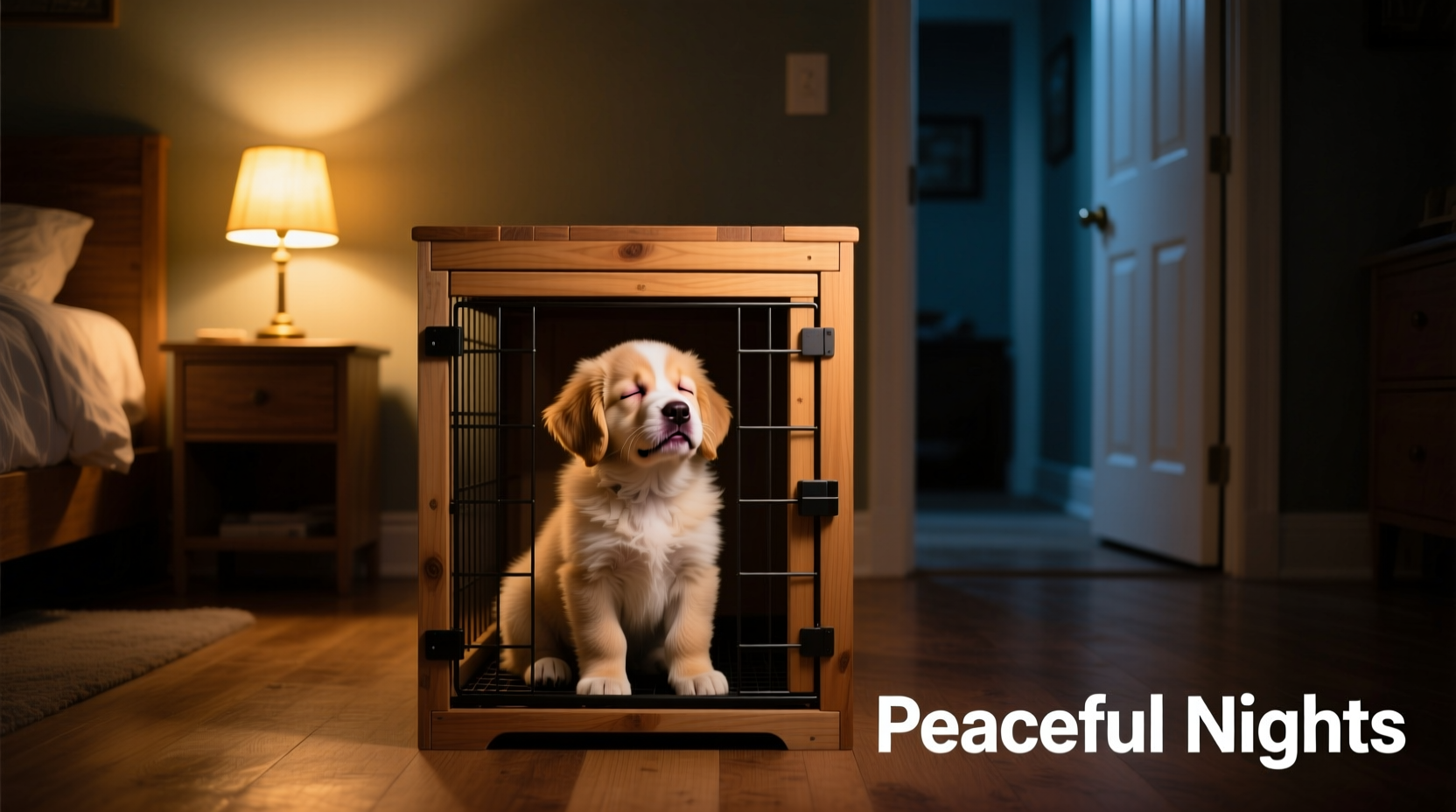
Puppies are social animals. Removed from their littermates and placed in a new environment, they often feel vulnerable. The crate, though intended as a sanctuary, may initially seem isolating. Crying is their way of communicating distress, much like a human infant might cry when left alone.
Common causes include:
- Separation anxiety: Missing their mother and siblings.
- Physical discomfort: Needing to go to the bathroom, feeling too hot or cold.
- Hunger or thirst: Especially common in very young puppies.
- Fear of confinement: Lack of prior exposure to crates.
- Overstimulation: Too much activity before bedtime.
Understanding these triggers is the first step toward addressing them effectively. Reacting inconsistently—such as letting the puppy out every time it whines—can reinforce the behavior and prolong the process.
Tip: Never punish a puppy for crying. It increases fear and damages trust. Instead, respond calmly and consistently.Step-by-Step Guide to Nighttime Crate Training
Crate training success hinges on routine, timing, and gradual acclimation. Follow this timeline to help your puppy adjust smoothly.
- Introduce the crate during the day: Place it in a busy area of the home. Leave the door open and encourage exploration with treats and toys.
- Create positive associations: Feed meals near or inside the crate. Toss treats in for the puppy to retrieve.
- Practice short sessions: Close the door for 5–10 minutes while you're nearby. Gradually increase duration over several days.
- Establish a pre-bed routine: Take the puppy outside to eliminate, then engage in calm play. Avoid high-energy activities an hour before bed.
- Last potty break before sleep: Ensure the puppy empties its bladder and bowels right before crating.
- Place the crate in your bedroom: Proximity reduces anxiety. A warm, soft blanket (without loose threads) adds comfort.
- Respond selectively to crying: Wait for pauses in crying before checking. If the puppy needs to go out, keep the trip quiet and boring—no play or eye contact.
- Gradually move the crate: Once sleeping through the night in your room, slowly relocate the crate to its permanent location over weeks.
This phased approach builds trust and familiarity. Rushing steps often leads to setbacks.
Do’s and Don’ts of Crate Training
| Do’s | Don’ts |
|---|---|
| Use the crate for naps and overnight sleep only—not all day. | Leave the puppy in the crate for longer than its age in months times one hour (e.g., 3-month-old max 3 hours). |
| Use a divider in large crates to prevent soiling far from bedding. | Use the crate as punishment—it should never feel like a jail. |
| Provide a chew-safe toy or stuffed Kong for distraction. | Give attention immediately when the puppy cries—this rewards the behavior. |
| Stick to a consistent bedtime and wake-up schedule. | Yell, bang on the crate, or use aversive tools. |
| Monitor temperature—keep the room between 68–72°F (20–22°C). | Ignore signs of illness, vomiting, or excessive drooling. |
Real Example: Max the Labrador Retriever
Max, an 8-week-old yellow Lab, cried intensely for two hours each night during his first week home. His owners, the Thompsons, initially let him out after 20 minutes of crying, thinking he needed to go outside. But Max soon learned that crying = freedom, and the behavior worsened.
They consulted a certified dog trainer who advised resetting expectations. They returned to daytime crate introduction, used a smaller partitioned crate, and moved it into their bedroom. For three nights, Max cried for 45 minutes. The Thompsons waited until he paused, then quietly checked. On night four, he cried for only 15 minutes. By night seven, he settled within five minutes and slept through the night.
The key? Consistency. They didn’t reward crying with release, but responded appropriately when he truly needed to eliminate. Within three weeks, Max happily entered his crate and now uses it voluntarily for naps.
“Puppy crate crying isn’t defiance—it’s communication. Our job is to respond with empathy and structure, not frustration.” — Dr. Laura Bennett, Certified Veterinary Behaviorist
Tips for Reducing Nighttime Crying
Tip: Use a white noise machine or soft music to mask household sounds that might startle the puppy. Tip: Drape a light blanket over part of the crate to create a den-like, secure feeling—avoid covering ventilation areas. Tip: Try a synthetic pheromone diffuser (like Adaptil) near the crate to reduce anxiety.- Exercise your puppy well before bedtime—mental and physical tiredness promotes sleep.
- Avoid feeding or giving water within 1–2 hours of bedtime to minimize nighttime potty needs.
- Use a familiar-smelling item, like a worn t-shirt (without strong detergent), to provide comfort.
- Never shout “Quiet!”—it can scare the puppy and escalate stress.
Crate Training Checklist
Use this checklist to ensure you’re setting up both your puppy and yourself for success:
- ☑ Choose the right crate size (large enough to stand, turn, and lie down; use a divider if needed)
- ☑ Introduce the crate gradually with treats and toys
- ☑ Practice short crating sessions during the day
- ☑ Establish a calming bedtime routine
- ☑ Take puppy out for a final potty break before bed
- ☑ Place crate in your bedroom for the first few weeks
- ☑ Stock the crate with safe bedding and a chew toy
- ☑ Respond calmly and consistently to crying
- ☑ Keep nighttime trips outside quiet and brief
- ☑ Gradually phase out assistance as puppy adjusts
FAQ: Common Concerns About Puppy Crate Crying
How long should I let my puppy cry before intervening?
It’s acceptable to allow brief periods of crying as your puppy learns to self-soothe—typically 5 to 15 minutes. However, always rule out physical needs first. If the puppy is new to your home, give it a chance to settle, but check for signs of distress like hyperventilation or vomiting. After the initial adjustment, crying should decrease nightly. If it persists beyond 10–14 days, reevaluate your setup or consult a professional.
Should I ignore my puppy completely when it cries?
No. While you shouldn’t reinforce crying by immediately releasing the puppy, complete ignoring isn’t ideal either. Wait for a pause in the crying, then quietly approach. If the puppy is whining due to needing to eliminate, address it promptly but without fanfare. The goal is to teach that calm behavior gets attention, not vocal distress.
Can crate training damage my puppy’s mental health?
When done correctly, crate training is not harmful and can actually enhance a puppy’s sense of security. Problems arise when crates are used excessively, as punishment, or without proper acclimation. Always ensure the crate is a positive space, limit confinement time based on age, and monitor for signs of extreme stress. When balanced with freedom and social interaction, crate training supports behavioral development.
Conclusion: Building Trust One Night at a Time
Crate training a puppy and stopping the crying at night isn’t about winning a battle of wills—it’s about guiding a vulnerable young animal into feeling safe in a big, unfamiliar world. The methods that work best aren’t the harshest, but the most consistent and compassionate. Every puppy is different; some adapt in days, others take weeks. What matters is your commitment to structure, patience, and positive reinforcement.
By following a clear plan, avoiding common pitfalls, and understanding your puppy’s needs, you’ll lay the foundation for a lifetime of good behavior and mutual trust. The quiet nights ahead are worth the effort invested now.
💬 Have a crate training success story or challenge? Share your experience in the comments—your insight could help another pet parent through the tough first nights.








