Cracked and peeling nails are more than just a cosmetic concern—they can signal underlying health issues or result from daily habits that compromise nail integrity. Whether you're dealing with brittle layers, vertical splits, or nails that flake at the edges, understanding the root causes is the first step toward recovery. Healthy nails reflect overall wellness, and with targeted care, most cases of cracking and peeling can be reversed. This guide explores the science behind nail deterioration, evidence-based treatments, and sustainable prevention strategies.
Understanding Nail Structure and Function
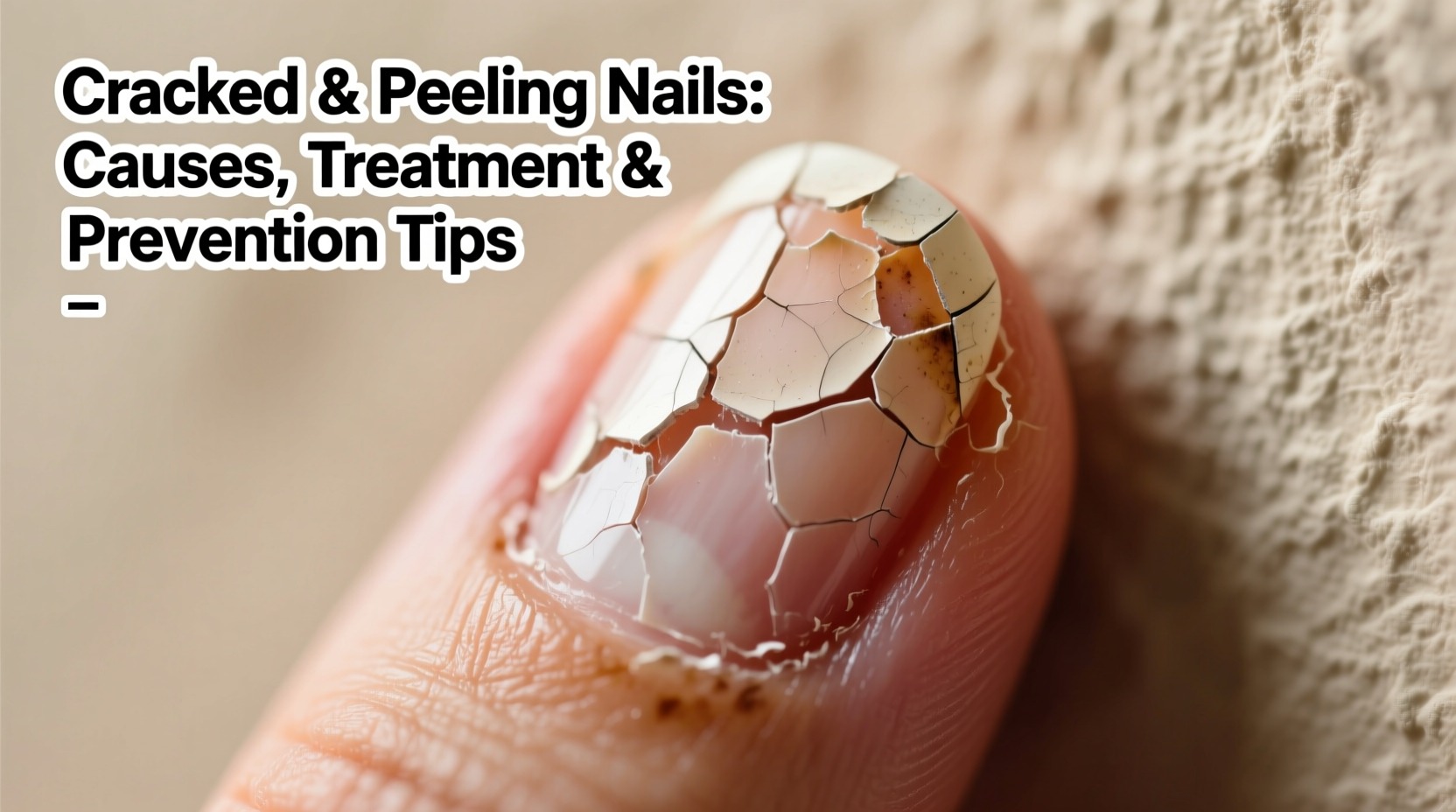
The human nail is composed primarily of keratin, a tough protein also found in hair and skin. It grows from the matrix beneath the cuticle and serves both protective and sensory roles. The nail plate—the visible part—should be smooth, firm, and resilient. When nails begin to crack or peel, it indicates disruption in keratin structure, moisture balance, or cellular regeneration.
Nails absorb and lose moisture easily, making them vulnerable to environmental stressors. Frequent exposure to water, detergents, or extreme temperatures weakens the nail layers, leading to delamination—a process where thin sheets of the nail separate and peel. This structural breakdown is often mistaken for dryness alone, but it can stem from deeper nutritional, hormonal, or dermatological imbalances.
Common Causes of Cracked and Peeling Nails
Multiple factors contribute to nail damage. Identifying the primary cause is essential for effective treatment.
- Excessive Moisture Exposure: Prolonged contact with water softens the nail, making it prone to swelling and peeling as it dries.
- Dryness and Dehydration: Low humidity, cold weather, or insufficient internal hydration lead to brittle, splitting nails.
- Frequent Use of Harsh Chemicals: Acetone-based removers, household cleaners, and sanitizers strip natural oils from nails and cuticles.
- Nutritional Deficiencies: Lack of biotin, iron, zinc, or essential fatty acids impairs keratin production and nail strength.
- Underlying Health Conditions: Thyroid disorders, psoriasis, fungal infections, and eczema often manifest in nail changes.
- Mechanical Trauma: Over-filing, aggressive manicures, or using nails as tools cause micro-tears and layer separation.
- Aging: As we age, nail growth slows and moisture retention declines, increasing fragility.
Evidence-Based Treatment Approaches
Treating cracked and peeling nails requires a dual approach: repair existing damage and support regrowth. Results take time—nails grow slowly, typically 3–4 mm per month—so consistency is key.
- Hydrate with Oils: Apply almond, jojoba, or argan oil twice daily. These penetrate deeply, restoring flexibility. Massage into nails and cuticles to boost circulation.
- Use a Nail Hardener (Selectively): Opt for formaldehyde-free formulas that condition rather than coat. Avoid long-term use, which can make nails dependent and more brittle over time.
- Address Fungal Infections: If nails are thickened, discolored, or crumbling, consult a dermatologist. Topical antifungals like ciclopirox may be prescribed; oral medications are used in severe cases.
- Supplement Strategically: Biotin (10,000 mcg/day) has shown clinical improvement in nail thickness and firmness after 6–9 months. Pair with vitamin E and omega-3s for enhanced results.
- Trim and File Properly: Keep nails short and square-cut to reduce snagging. Use a glass or fine-grit file in one direction to prevent micro-splits.
“Nail health is a window into systemic well-being. Persistent peeling without clear cause warrants medical evaluation.” — Dr. Lena Patel, Board-Certified Dermatologist
Prevention Checklist for Stronger Nails
Preventing recurrence involves daily habits that reinforce nail resilience. Follow this actionable checklist:
- Wear gloves during wet work (cleaning, gardening, dishwashing)
- Lotion up after every hand wash—focus on cuticles
- Avoid acetone-based nail polish removers
- Limit gel manicures and acrylics—allow recovery periods
- Drink at least 2 liters of water daily for internal hydration
- Eat a balanced diet rich in protein, leafy greens, nuts, and eggs
- Never use nails to open packages or scrape surfaces
- Reapply cuticle oil every evening before bed
Do’s and Don’ts: Nail Care Comparison Table
| Do’s | Don’ts |
|---|---|
| Moisturize with nourishing oils daily | Peel off nail polish—always use remover |
| File nails in one direction with a fine buffer | Use metal tools on cuticles |
| Take breaks between manicures | Soak hands excessively in water |
| Choose breathable nail polishes | Bite or pick at peeling layers |
| Stay hydrated and eat protein-rich foods | Ignore signs of infection or discoloration |
Real-Life Example: Recovery from Chronic Nail Damage
Sarah, a 38-year-old nurse, experienced severe peeling and layering of her fingernails due to constant handwashing and glove use. Despite using hand creams, her nails worsened over two years. After consulting a dermatologist, she discovered early signs of irritant contact dermatitis and mild iron deficiency.
Her treatment plan included wearing nitrile gloves under cotton liners at work, applying a urea-based nail cream twice daily, taking an iron supplement, and starting biotin. Within four months, peeling reduced significantly. By six months, new growth was smooth and strong. Sarah now maintains her results with weekly oil treatments and quarterly blood checks.
When to See a Doctor
While most nail peeling resolves with lifestyle adjustments, certain symptoms require professional attention:
- Pain, redness, or swelling around the nail
- Discoloration (yellow, green, brown)
- Thickening or distortion of nail shape
- Peeling accompanied by skin rashes or fatigue
These may indicate fungal infection, psoriasis, thyroid dysfunction, or autoimmune conditions. A dermatologist can perform tests such as a KOH scraping or blood panel to diagnose underlying issues.
Frequently Asked Questions
Can drinking more water improve peeling nails?
Yes. While external moisturizing is crucial, internal hydration supports keratinocyte function and nail flexibility. Chronic dehydration contributes to brittleness. Aim for consistent fluid intake throughout the day.
Is it safe to use nail hardeners every day?
Only if they’re non-toxic and free of formaldehyde or toluene. Daily use of harsh hardeners can backfire by drying out nails. Limit application to twice a week and always layer over a base of oil or moisturizer.
How long does it take for peeling nails to heal?
Visible improvement typically appears in 4–6 weeks, but full recovery depends on the cause. Nutritional fixes may take 3–6 months. Since fingernails take about six months to regrow completely, patience and consistency are essential.
Final Thoughts: Building Resilient Nails for Life
Cracked and peeling nails are rarely permanent. With mindful care, the right nutrients, and protection from daily stressors, most people can achieve stronger, healthier nails. Think of your nails as living structures—they respond to how you treat your body and environment. Small, sustained changes yield lasting results. Start today by assessing your routine, eliminating damaging habits, and nurturing your nails like any other part of your health regimen.
💬 Have you overcome chronic nail peeling? Share your journey or tips in the comments—your experience could help someone else find relief.








