For many infants and toddlers, a lovey—a small blanket or plush toy designed for comfort—is more than just a bedtime accessory. It’s a source of emotional security, a transitional object that helps bridge the gap between parent and independence. When chosen thoughtfully, a lovey can provide softness, familiarity, and a sense of calm during naps, nighttime, or moments of stress. But with countless options on the market, how do you find one that’s both cozy and safe? The answer lies in understanding material quality, size appropriateness, developmental needs, and safety standards.
Why a Lovey Matters in Early Development
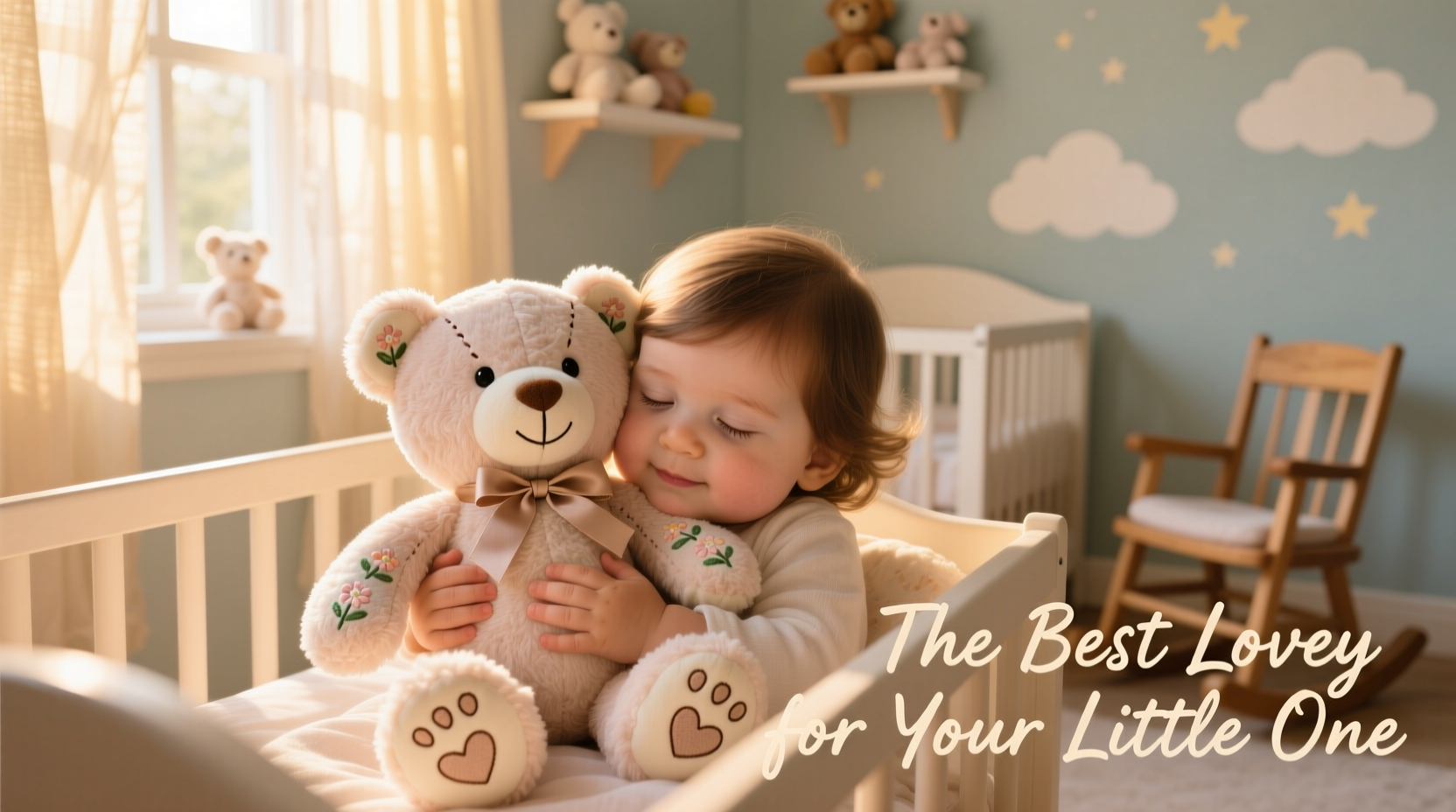
A lovey plays a crucial role in a child’s emotional development. Pediatric psychologists often refer to such items as \"transitional objects\"—tools that help children navigate separation anxiety and build self-soothing habits. From around 6 months of age, babies begin forming attachments to familiar textures and scents, especially those associated with caregivers. A soft, gently worn lovey can mimic the warmth and closeness of a parent’s touch, making it easier for a child to fall asleep independently.
However, not all loveys are created equal. The wrong choice—whether too large, made of unsafe materials, or difficult to clean—can pose risks or fail to deliver lasting comfort. Selecting the ideal lovey requires balancing sensory appeal with practical considerations.
“Children form deep emotional bonds with their comfort objects. A well-chosen lovey can support healthy sleep patterns and emotional regulation.” — Dr. Lena Patel, Child Development Specialist
Key Features of the Best Lovey
The most effective loveys combine softness, safety, and simplicity. Here are the essential qualities to look for:
- Soft, breathable fabric: Natural fibers like cotton, bamboo, or organic muslin offer gentle texture against delicate skin while allowing airflow to prevent overheating.
- Appropriate size: Ideal loveys are small—typically 10” to 14” square—so they’re easy for tiny hands to grasp but not large enough to pose a suffocation risk.
- Minimal embellishments: Avoid loveys with buttons, ribbons, or loose stitching. These can become choking hazards. Embroidered details are safer than sewn-on parts.
- Washable design: Babies drool, spit up, and get messy. A machine-washable lovey ensures hygiene without wear-and-tear from hand cleaning.
- Familiar scent retention: Fabrics that hold a parent’s natural scent (without synthetic fragrances) help reinforce emotional connection.
Material Comparison: What Works Best?
Different fabrics offer varying levels of softness, durability, and breathability. Below is a comparison of common materials used in high-quality loveys.
| Material | Softness | Breathability | Wash Durability | Safety Notes |
|---|---|---|---|---|
| Cotton Muslin | High | Excellent | Very Good | Hypoallergenic; frays slightly over time—inspect edges regularly |
| Bamboo Rayon | Exceptional | Excellent | Good | Naturally antibacterial; may require gentle cycle washing |
| Organic Cotton Fleece | Very High | Moderate | Good | Warm but not ideal for hot climates; avoid in cribs under 12 months |
| Polyester Blend | Moderate | Poor | Excellent | Less breathable; may trap heat; best avoided for infants |
| Wool (Merino) | High | Good | Fair (hand wash recommended) | Natural temperature regulation; expensive but long-lasting |
When and How to Introduce a Lovey
Timing is critical when introducing a lovey. The American Academy of Pediatrics (AAP) advises against placing any soft objects in the crib until the baby is at least 12 months old due to suffocation risks. However, you can begin building familiarity earlier—with supervision.
- 6–9 months: Introduce the lovey during awake, supervised playtime. Let your baby touch, chew, and explore it while you're nearby.
- 9–12 months: Begin incorporating the lovey into naptime routines outside the crib, such as during stroller rides or floor play.
- After 12 months: Once your child transitions to a toddler bed or meets motor milestones (like rolling and sitting unassisted), you can safely include the lovey in the sleep space.
Consistency enhances attachment. Use the same lovey across routines and keep backups for laundry days. Rotate two identical loveys so one is always available while the other is being washed.
Mini Case Study: Emma and Her Daughter, Maya
Emma, a first-time mom from Portland, struggled with her 10-month-old daughter Maya’s bedtime routine. Maya would cry when placed in the crib and only fall asleep after prolonged rocking. Concerned about dependency, Emma consulted a pediatric sleep coach who suggested introducing a lovey—but not yet in the crib.
She chose a small, organic cotton muslin lovey with a simple embroidered star. For two weeks, she let Maya play with it daily and even slept with it to transfer her scent. At 13 months, once Maya was sleeping in a toddler bed, Emma introduced the lovey at bedtime. Within a week, Maya began hugging it during sleep onset. By 15 months, she was self-soothing and falling asleep independently.
“It wasn’t magic overnight,” Emma shared, “but that little square of fabric gave us both peace. I didn’t realize how much she needed something constant.”
Safety First: Do’s and Don’ts
Safety must never be compromised for softness. Follow these guidelines to ensure your child’s well-being.
| Do’s | Don’ts |
|---|---|
| Choose loveys under 14 inches in size | Avoid oversized blankets or plush toys |
| Opt for seamless or low-pill fabrics | Never use loveys with detachable eyes, noses, or beads |
| Inspect weekly for loose threads or damage | Don’t allow loveys with long ribbons or strings |
| Wash regularly using fragrance-free detergent | Avoid fabric softeners—they reduce breathability and leave residues |
| Introduce gradually with caregiver presence | Don’t force attachment—some children prefer other soothing methods |
FAQ
Can my baby sleep with a lovey before 12 months?
No, the AAP strongly recommends keeping soft objects out of the crib until at least 12 months to reduce the risk of SIDS. You can, however, introduce the lovey during supervised awake time to build familiarity.
How many loveys should I have?
Two is ideal—one in use, one in rotation for washing. Having duplicates prevents distress if the primary lovey is unavailable. Ensure they are identical in texture and appearance.
What if my child becomes overly attached to the lovey?
Moderate attachment is normal and healthy. If dependence begins to interfere with social interactions or causes distress when separated, gently encourage alternative coping strategies—like a favorite song or phrase—while still honoring the comfort the lovey provides.
Conclusion: Comfort That Lasts
Finding the best lovey for your little one isn’t just about softness—it’s about creating a safe, consistent source of comfort that supports emotional growth. The right lovey combines sensory appeal with thoughtful design, offering a tactile anchor in a world that’s constantly changing for a young child. From material selection to timing and safety, every detail matters.
Start by choosing a small, washable, minimally designed lovey made from breathable natural fibers. Introduce it gradually, respect your child’s unique attachment style, and prioritize safety at every stage. With care and attention, this simple object can become a cherished companion through infancy and beyond.
🚀 Ready to find the perfect lovey? Start by checking labels for organic certification, measuring size, and testing fabric softness against your own cheek—it’s the best gauge for what your baby will feel. Share your experience or ask questions in the comments below!








