Coughing after eating is more than just a minor annoyance—it can signal underlying health conditions affecting the digestive or respiratory systems. While occasional coughing during or after meals may result from eating too quickly or consuming irritating foods, persistent or severe episodes should not be ignored. Understanding the root causes, knowing how to manage symptoms, and recognizing when to seek medical help are essential for maintaining long-term health and comfort.
Common Causes of Coughing After Eating
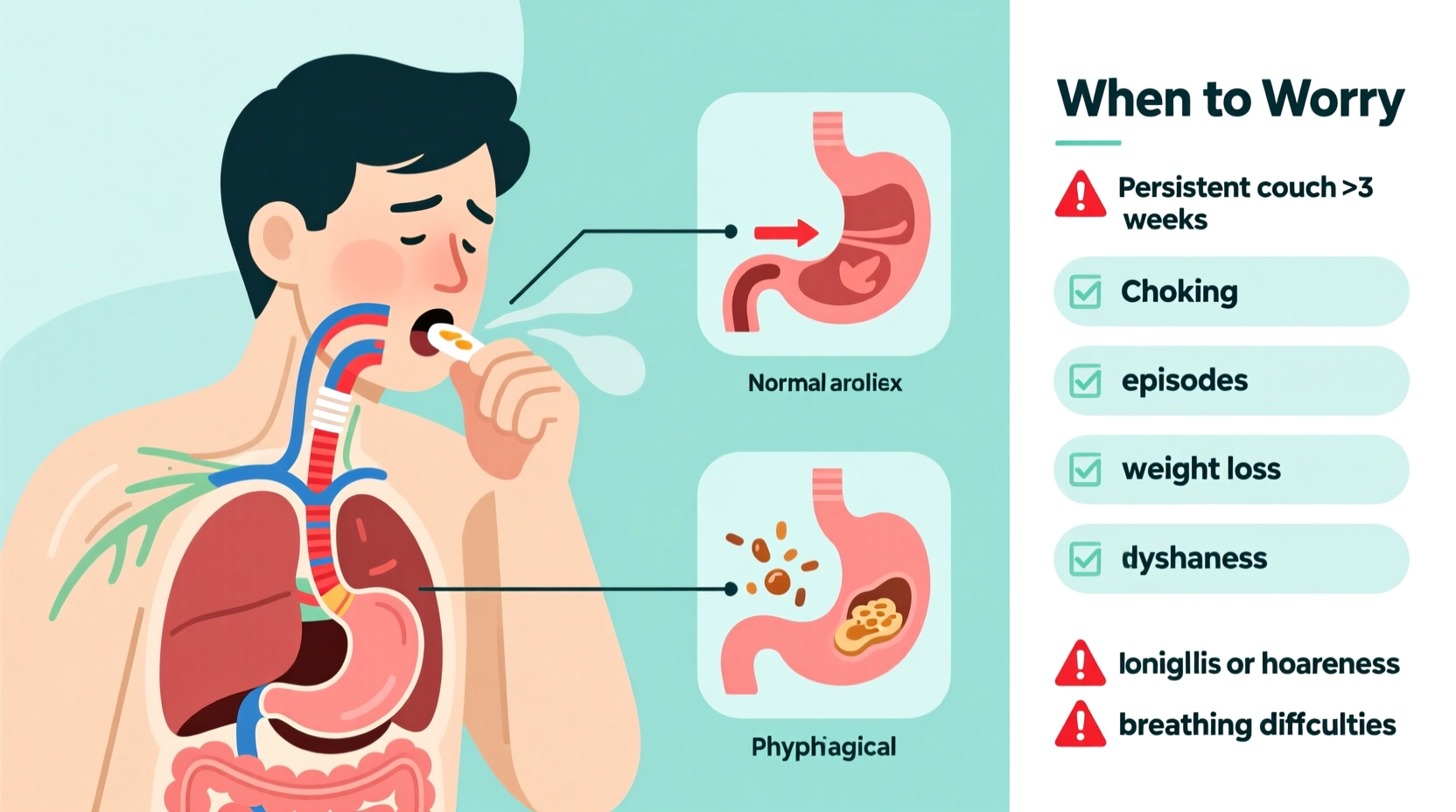
Coughing triggered by eating often stems from the interaction between the digestive tract and the airway. When food or liquid enters the windpipe instead of the esophagus, it prompts a protective reflex: coughing. However, several medical and physiological factors can increase this risk.
- Acid Reflux (GERD): Gastroesophageal reflux disease causes stomach acid to flow back into the esophagus. This irritation can stimulate nerves that trigger coughing, especially when lying down after a meal.
- Dysphagia (Swallowing Difficulties): Neurological conditions like Parkinson’s disease, stroke, or muscular disorders can impair the swallowing mechanism, increasing the chance of aspiration—food or liquid entering the lungs.
- Esophageal Disorders: Conditions such as achalasia or esophageal spasms disrupt normal movement of food, leading to regurgitation and coughing.
- Food Allergies or Sensitivities: Allergic reactions to certain foods—especially nuts, shellfish, or dairy—can cause throat swelling, irritation, and coughing shortly after ingestion.
- Irritating Foods: Spicy, acidic, or very hot foods may irritate the throat or trigger reflux, resulting in post-meal coughing.
- Asthma Triggered by Eating: Some individuals experience exercise-induced or food-related asthma flares during meals, particularly with sulfite-containing foods like dried fruits or wine.
Treatment Options Based on Underlying Cause
Effective treatment depends on accurately identifying the root issue. Self-management strategies may help mild cases, but chronic or worsening symptoms require professional diagnosis and intervention.
Managing Acid Reflux
Lifestyle adjustments are often the first line of defense against GERD-related coughing:
- Eat smaller, more frequent meals.
- Avoid eating within 2–3 hours of bedtime.
- Elevate the head of your bed by 6–8 inches.
- Limit intake of caffeine, alcohol, chocolate, and fatty or spicy foods.
Over-the-counter antacids or proton pump inhibitors (PPIs) like omeprazole may provide relief, but prolonged use should be monitored by a physician.
Addressing Swallowing Disorders
If dysphagia is suspected, a speech-language pathologist can conduct a swallowing evaluation. Techniques such as modifying food textures (e.g., pureeing), adjusting head position during meals (chin tuck maneuver), and practicing specific swallowing exercises can reduce aspiration risk.
Handling Food Allergies
For allergy-related coughing, avoidance is key. Carry an epinephrine auto-injector if you have a known severe allergy. Consult an allergist for testing and personalized management plans.
“Persistent postprandial cough should never be dismissed as normal. It may be the only symptom of silent aspiration or GERD.” — Dr. Lena Patel, Pulmonologist and Swallowing Specialist
When to Worry: Red Flags Requiring Medical Attention
While some coughing after meals is benign, certain symptoms indicate a need for urgent evaluation. These red flags suggest complications such as aspiration pneumonia, chronic lung damage, or serious gastrointestinal dysfunction.
| Symptom | Potential Concern | Action Required |
|---|---|---|
| Frequent choking or gagging while eating | High risk of aspiration | See ENT or neurologist for swallow study |
| Coughing up food particles | Structural esophageal issue | Endoscopy recommended |
| Wet-sounding voice after meals | Liquid entering airway | Speech therapy assessment |
| Unintentional weight loss | Chronic malnutrition or obstruction | Immediate GI workup |
| Fever, shortness of breath, green sputum | Aspiration pneumonia | Emergency care needed |
Step-by-Step Guide to Managing Post-Meal Coughing
If you're experiencing recurrent coughing after eating, follow this practical sequence to assess and address the issue:
- Track Symptoms: Record what you eat, when coughing occurs, severity, and associated symptoms (heartburn, choking, etc.) for at least one week.
- Modify Eating Habits: Chew thoroughly, eat slowly, avoid talking while chewing, and remain upright for 30 minutes after meals.
- Eliminate Triggers: Remove common irritants like alcohol, carbonated drinks, and spicy foods temporarily to test improvement.
- Consult Your Doctor: Share your symptom log. Request evaluation for GERD, allergies, or swallowing function.
- Undergo Diagnostic Testing: Depending on findings, tests may include pH monitoring, barium swallow study, endoscopy, or pulmonary function tests.
- Begin Targeted Treatment: Follow prescribed medication, dietary changes, or therapy (e.g., speech pathology).
- Monitor Progress: Reassess symptoms monthly. Adjust plan with your healthcare provider as needed.
Real-Life Example: Recognizing Silent Aspiration
John, a 68-year-old man recovering from a mild stroke six months prior, began coughing lightly after drinking liquids. He dismissed it as a side effect of aging. Over time, the cough worsened, especially with thin fluids like water or tea. He developed fatigue and a low-grade fever. His wife noticed he sounded “gurgly” after meals.
After a visit to his primary care physician, John was referred for a videofluoroscopic swallow study. The test revealed silent aspiration—he was unknowingly inhaling small amounts of liquid into his lungs without feeling it. With guidance from a speech therapist, John adopted thicker liquids, changed his posture during meals, and performed daily swallowing exercises. Within weeks, his cough resolved, and his energy improved significantly.
This case illustrates how seemingly minor symptoms can mask serious conditions, especially in older adults or those with neurological histories.
Prevention Checklist
Use this checklist to minimize the risk of coughing after eating:
- ✅ Eat in a quiet environment free from distractions
- ✅ Sit upright during and for at least 30 minutes after meals
- ✅ Take small bites and chew each thoroughly
- ✅ Sip fluids slowly; avoid straws if prone to coughing
- ✅ Avoid large meals before lying down
- ✅ Identify and eliminate personal food triggers
- ✅ Attend regular dental checkups to ensure proper chewing ability
- ✅ Seek evaluation if cough persists beyond two weeks
Frequently Asked Questions
Can acid reflux cause coughing without heartburn?
Yes. Known as \"silent reflux\" or laryngopharyngeal reflux (LPR), this condition presents primarily with chronic cough, throat clearing, hoarseness, or a sensation of a lump in the throat—often without classic chest burning.
Is it normal to cough slightly after eating as you get older?
Occasional coughing isn’t unusual, but frequent or worsening episodes are not a normal part of aging. Older adults are at higher risk for dysphagia and aspiration due to muscle weakening and neurological changes, so any new cough should be evaluated.
What tests diagnose why I’m coughing after eating?
Common diagnostic tools include:
- Barium swallow study: X-ray imaging of swallowing function
- Upper endoscopy: Visual inspection of the esophagus and stomach
- 24-hour pH impedance monitoring: Measures acid exposure in the esophagus
- Videostroboscopy or FEES: Evaluates throat and vocal cord function
Take Action Before It Escalates
Coughing after eating might seem trivial, but it can be a window into deeper health issues involving your digestive, respiratory, or nervous systems. Ignoring persistent symptoms increases the risk of complications like aspiration pneumonia, malnutrition, or chronic lung disease. Whether it’s adjusting your eating habits, seeking allergy testing, or undergoing a swallow evaluation, early action leads to better outcomes.
💬 Have you experienced unexplained coughing after meals? Share your story or questions in the comments—your experience could help someone recognize a warning sign they’ve overlooked.








