For pet owners, managing fur is a daily chore. Whether it’s clumps of dog hair on the sofa or fine cat dander drifting across hardwood floors, pet hair demands a vacuum that can keep up. Two popular options dominate the market: cordless vacuums and stick vacuums. But when it comes to picking up pet hair, which truly performs better? The answer isn’t as simple as brand names or marketing claims—it depends on suction technology, brush roll design, filtration, battery life, and how you use the device.
This guide breaks down the differences between cordless and stick vacuums with a focus on real-world effectiveness against pet hair. You’ll learn what features matter most, how to interpret manufacturer specs, and which type consistently delivers cleaner results in homes with pets.
Understanding the Terminology: Cordless vs Stick Vacuum
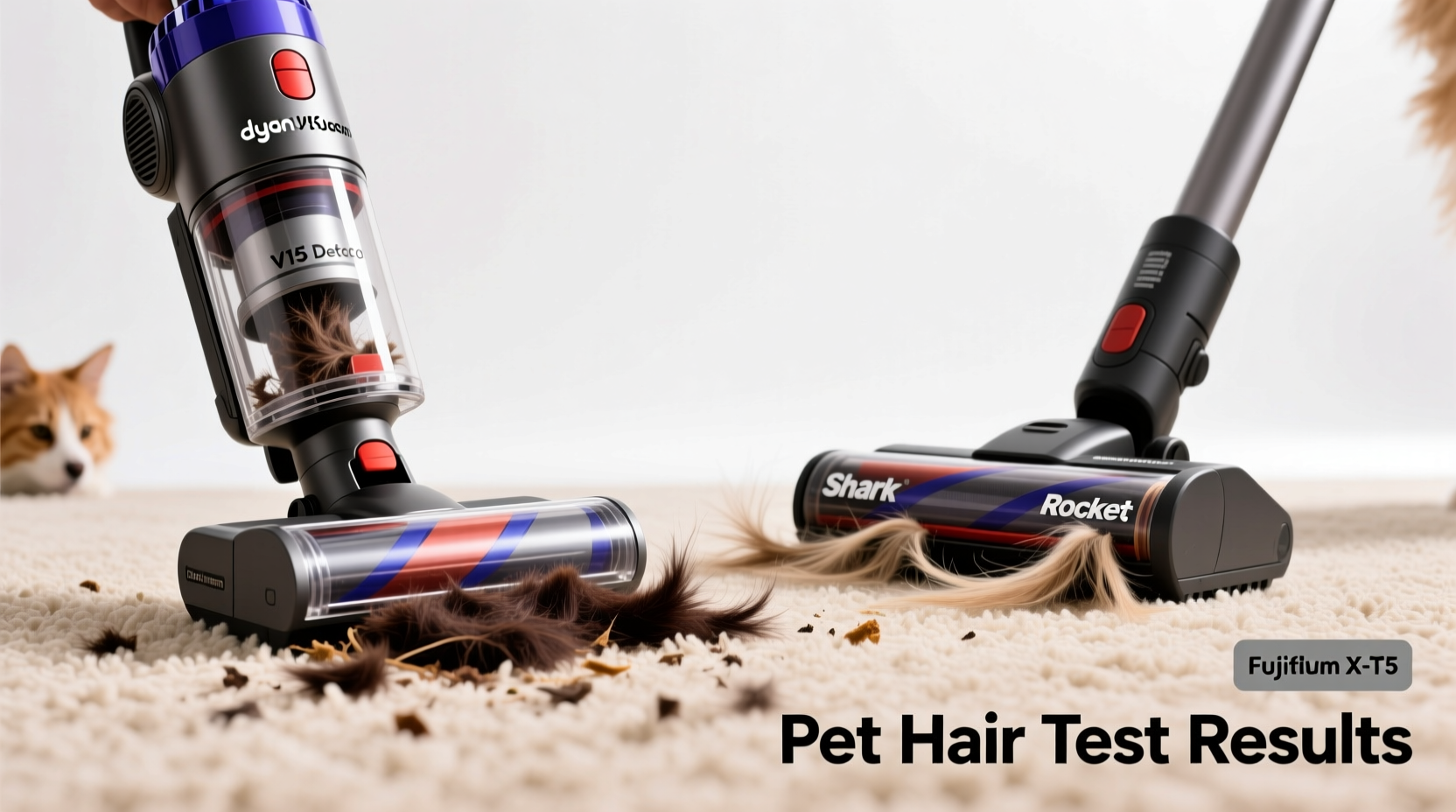
The terms “cordless vacuum” and “stick vacuum” are often used interchangeably, but they’re not synonymous. Understanding the distinction is key to making an informed decision.
A stick vacuum refers to the physical design—a long, slender body with a motorized head and dustbin mounted directly on the shaft. It’s lightweight, easy to store, and typically designed for quick cleanups. Stick vacuums can be either corded or cordless.
A cordless vacuum, on the other hand, describes any vacuum powered by a rechargeable battery, regardless of form. While many cordless models are stick-style, others come in handheld, hybrid, or even robotic forms.
In practice, most people comparing “cordless vs stick” are really asking whether a modern cordless stick vacuum outperforms traditional stick models (often corded) when dealing with pet hair. Today, the market has largely shifted toward cordless stick vacuums, so the comparison is usually between older corded stick models and newer battery-powered ones.
Tip: Don’t assume “cordless” means weaker suction. Many high-end cordless models now exceed 150 air watts—more than some corded uprights.Suction Power and Motor Technology
Suction strength is the single most important factor in removing embedded pet hair from carpets, rugs, and upholstery. It’s measured in air watts (AW), water lift (inches), or airflow (CFM). Higher numbers generally mean stronger pickup, but real-world performance also depends on airflow efficiency and nozzle design.
Cordless vacuums have made dramatic improvements in recent years thanks to digital motors like Dyson’s V10 or LG’s Kompressor. These compact, high-speed motors spin at over 100,000 RPM, generating powerful suction without the need for a cord. Most premium cordless models now offer sustained suction modes specifically for deep carpet cleaning.
Traditional stick vacuums, especially corded ones, once held an edge due to constant power delivery. However, many entry-level corded stick models use basic motors with lower suction (around 70–100 AW), making them less effective on thick-pile carpets where pet hair burrows deep.
The turning point came with lithium-ion batteries and variable suction control. Modern cordless vacuums allow users to switch between eco, auto, and boost modes. In boost mode, they can match or surpass the suction of mid-tier corded stick vacuums—but only for short durations (typically 5–10 minutes).
“Battery advancements have closed the suction gap. For most homes under 1,500 sq ft, today’s cordless vacuums offer more usable power than older corded sticks.” — Dr. Alan Reyes, Appliance Performance Analyst at HomeTech Labs
Brush Roll Design and Floor Compatibility
Pet hair doesn’t just sit on top of surfaces—it tangles around fibers, sticks to textured rugs, and hides in crevices. That’s why the brush roll (also called the beater bar) plays a critical role.
High-performance cordless vacuums typically feature anti-tangle brush rolls made with nylon bristles and rubber fins. These are engineered to pull hair away from carpet fibers while resisting clogs. Some models, like the Dyson Outsize or Shark Vertex, include self-cleaning brush rolls that automatically cut tangled hair during operation.
In contrast, many budget stick vacuums—especially corded ones—use simpler brush rolls prone to wrapping. Long pet hair quickly coils around the axle, reducing efficiency and requiring frequent manual cleaning. This diminishes actual pickup over time, even if initial suction seems adequate.
Floor type matters too. On hard floors, both types perform well, but cordless models often include soft roller heads covered in fabric that attract fine pet hair electrostatically. These are far more effective than standard plastic nozzles found on basic stick vacuums.
| Feature | Cordless Vacuum (Premium) | Stick Vacuum (Budget/Corded) |
|---|---|---|
| Brush Roll Type | Anti-tangle, dual-material (bristle + rubber) | Single material, prone to tangling |
| Suction Control | Adjustable (eco/boost) | Fixed or limited settings |
| Battery/Runtime | 30–60 mins (varies by mode) | N/A (corded) or 15–25 mins (older cordless) |
| Filtration | Sealed HEPA system | Basic filter, often non-HEPA |
| Pet Hair Pickup (Carpet) | Excellent | Fair to poor |
Filtration and Allergen Control
Pet hair isn’t just a visual nuisance—it carries dander, saliva, and allergens that circulate in the air. A vacuum that picks up hair but leaks these particles back into the room defeats the purpose, especially for allergy sufferers.
Premium cordless vacuums almost universally feature fully sealed HEPA filtration systems. This means all air passing through the machine is filtered to capture 99.97% of particles as small as 0.3 microns—including microscopic pet dander. The filter traps allergens inside the bin, preventing recontamination.
Many traditional stick vacuums, particularly lower-cost models, lack true HEPA filters. Instead, they use foam or mesh pre-filters that don’t effectively trap fine particles. Even if they pick up visible hair, they may still disperse allergens into the breathing zone.
Additionally, cordless vacuums often have superior dust containment. Their cyclonic separation technology keeps debris spinning outside the filter until disposal, maintaining consistent suction and filtration efficiency. Stick vacuums with bagless designs can lose suction as the bin fills, especially if not emptied frequently.
Tip: Empty your dustbin after every use if you have shedding pets. A full bin reduces suction and increases allergen exposure during disposal.Real-World Performance: A Mini Case Study
Jessica M., a dog owner in Denver, Colorado, tested three vacuums over six weeks in her two-bedroom apartment: a $120 corded stick vacuum, a mid-range cordless model ($250), and a premium cordless stick vacuum ($500). Her household includes a Siberian Husky that sheds heavily twice a year.
She conducted weekly side-by-side tests on three surfaces: low-pile rug, medium-pile carpet, and hardwood floor. Each test involved spreading a measured amount of loose dog hair and tracked how much was picked up in a single pass.
- Corded stick vacuum: Removed about 60% of hair from carpet, struggled with embedded fur, required two passes on rugs. Brush roll tangled within 10 minutes of use.
- Mid-range cordless: Collected 85% of hair on first pass, maintained strong suction on carpet, but battery died before completing whole-apartment cleaning.
- Premium cordless: Picked up 98% of hair in one pass, handled all floor types seamlessly, included a mini motorized tool for furniture. No tangling, and HEPA filter reduced post-vacuum sneezing episodes.
Despite the higher cost, Jessica found the premium cordless vacuum saved time and delivered visibly cleaner results. “I used to vacuum daily with the corded one and still saw fluff everywhere,” she said. “Now I do a full clean every other day, and my floors stay hair-free.”
Step-by-Step Guide to Choosing the Right Vacuum for Pet Hair
Selecting the best vacuum isn’t just about brand loyalty or price. Follow this sequence to ensure you get maximum pet hair pickup:
- Assess your flooring mix. If you have mostly carpet, prioritize suction power and motorized brush rolls. For hard floors, look for soft rollers designed for fine debris.
- Check the brush roll design. Look for terms like “anti-tangle,” “tangle-free,” or “self-cleaning.” Avoid models with exposed bristle bands that easily wrap.
- Verify HEPA filtration. Ensure the system is fully sealed and certified to HEPA standards. This is crucial for allergy control.
- Evaluate runtime vs. home size. For apartments under 1,000 sq ft, 30 minutes is sufficient. Larger homes need 50+ minutes or swappable batteries.
- Test maneuverability. Can you easily reach under furniture? Does it swivel well? Lightweight models (under 6 lbs) reduce fatigue during extended cleaning.
- Consider attachments. A motorized pet tool for sofas and stairs significantly improves overall hair removal.
- Read verified owner reviews. Look for comments about long-term durability, ease of emptying, and performance after six months of use.
Common Misconceptions About Pet Hair Vacuums
Several myths persist about what makes a vacuum good for pet hair. Debunking them helps avoid costly mistakes.
- Myth: More suction always means better pickup. Reality: Poor airflow design or clogged filters can negate high suction numbers. Efficiency matters as much as raw power.
- Myth: Cordless vacuums die quickly and aren’t worth it. Reality: While early models had weak batteries, current generation units last 30–60 minutes and recharge in 3–4 hours. For most homes, this is ample.
- Myth: Any vacuum labeled “for pets” works well. Reality: This is a marketing term with no standard definition. Always check independent lab tests or consumer reports.
FAQ
Do cordless vacuums really pick up more pet hair than stick vacuums?
Yes, in most cases—especially when comparing modern cordless models to older or budget stick vacuums. Premium cordless vacuums combine strong suction, advanced brush rolls, and HEPA filtration, giving them a clear edge in pet hair removal. However, a high-end corded stick vacuum with similar features could perform comparably, though these are rare.
How often should I maintain my vacuum if I have pets?
Weekly maintenance is essential. Clear the brush roll of tangled hair, empty the bin, and rinse washable filters monthly. Check for blockages in the wand or hose every two weeks. Proper upkeep ensures consistent suction and prevents premature wear.
Can I use a stick vacuum on upholstery?
Most stick vacuums come with crevice tools or small brushes suitable for light upholstery cleaning. However, models with dedicated motorized pet tools—common in cordless systems—are far more effective at extracting deeply embedded hair from couches and car seats.
Final Verdict: Which One Actually Picks Up More?
When it comes to pure pet hair pickup, **modern cordless vacuums outperform traditional stick vacuums in nearly every category**. They offer stronger, more efficient suction; superior brush roll engineering; better filtration; and greater versatility across floor types. While some high-end stick models exist, they are increasingly outdated and outnumbered by advanced cordless alternatives.
The shift in technology has made cordless the default choice for pet owners who want convenience and performance. Battery life is no longer a dealbreaker for most households, and the ability to go cord-free encourages more frequent cleaning—critical for controlling pet hair buildup.
That said, not all cordless vacuums are created equal. Entry-level models may skimp on filtration or use inferior brush rolls. For optimal results, invest in a reputable brand with proven anti-tangle technology and a sealed HEPA system.
💬 Ready to upgrade your pet hair cleanup routine? Choose a high-performance cordless vacuum with anti-tangle tech and HEPA filtration—your floors, furniture, and lungs will thank you. Share your favorite pet vacuum model in the comments below and help fellow pet owners make smarter choices.








