Fleas are more than just a nuisance—they can cause severe discomfort, allergic reactions, and even transmit diseases to your dog. Left untreated, a minor flea problem can escalate into a full-blown household infestation. The good news is that with the right knowledge and tools, you can eliminate fleas from your dog and create a long-term defense strategy. This guide covers effective treatment options, environmental control, preventive measures, and expert-backed recommendations to keep your pet flea-free year-round.
Understanding the Flea Life Cycle
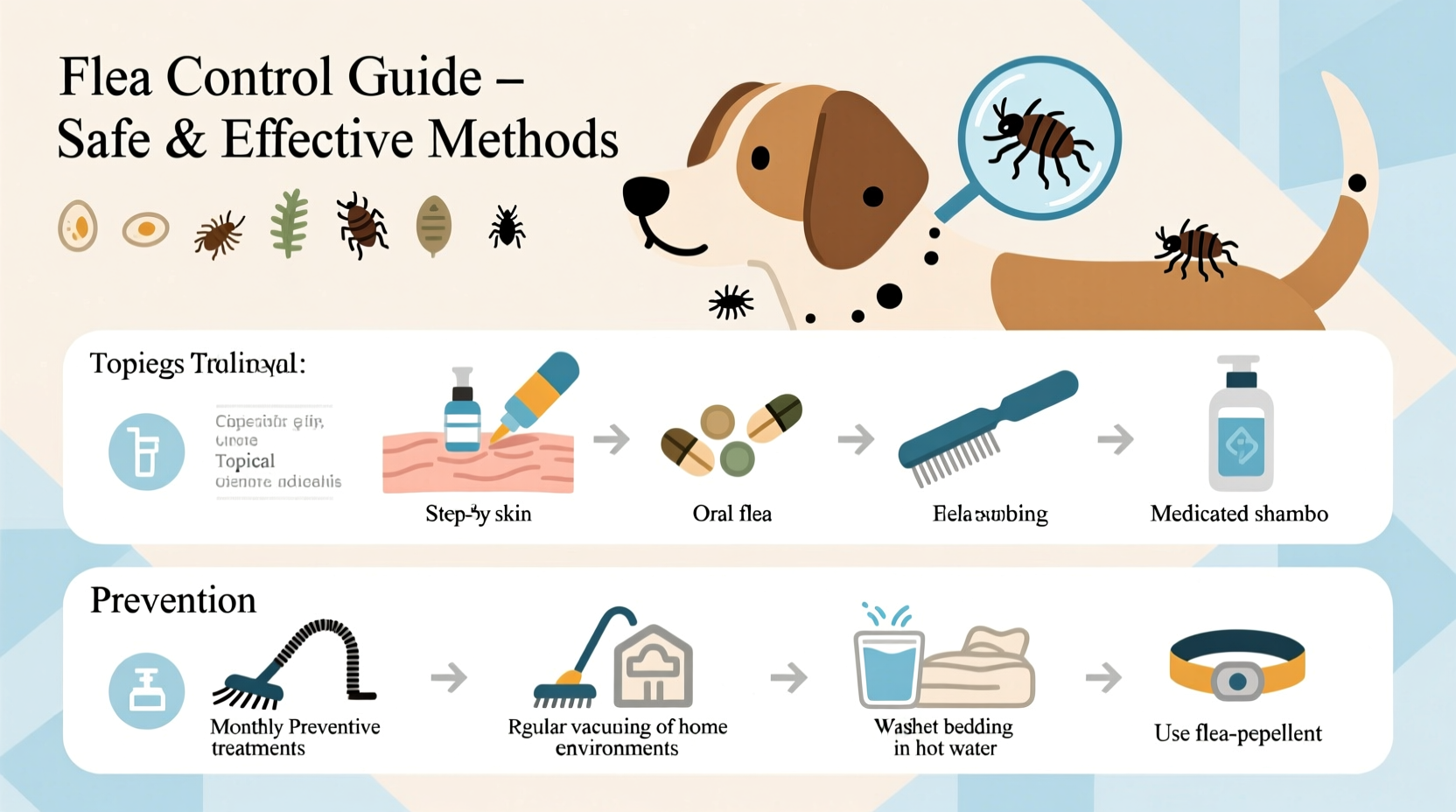
To successfully treat and prevent fleas, it’s essential to understand their biology. Fleas undergo a four-stage life cycle: egg, larva, pupa, and adult. Only about 5% of the total flea population exists as adults on your dog—the rest are eggs, larvae, and pupae lurking in carpets, bedding, furniture, and outdoor areas.
The entire cycle can last anywhere from two weeks to several months, depending on temperature and humidity. Pupae, in particular, are highly resistant to insecticides and can remain dormant for up to a year before emerging when conditions are favorable. This resilience explains why treating only the dog often fails—environmental control is equally critical.
“Effective flea control isn’t just about killing the fleas on your pet—it’s about breaking the entire life cycle in both the animal and its surroundings.” — Dr. Linda O’Sullivan, DVM, Veterinary Parasitology Specialist
Immediate Steps to Cure Fleas on Your Dog
If your dog has fleas, swift action is required. Here’s a step-by-step approach to eliminate existing infestations:
- Confirm the presence of fleas: Look for small black specks (flea dirt) or actual fleas near the base of the tail, behind the ears, or on the belly. Use a fine-toothed flea comb to detect movement.
- Bathe your dog with a flea shampoo: Choose a medicated shampoo containing pyrethrins or natural alternatives like neem oil. Follow label instructions carefully, ensuring thorough coverage and proper contact time.
- Apply a fast-acting topical or oral treatment: Products like fipronil (Frontline), imidacloprid (Advantage), or oral nitenpyram (Capstar) kill adult fleas within hours.
- Comb out dead fleas: After treatment, use a flea comb to remove deceased fleas and debris.
- Treat all pets in the household: Even if one pet shows no signs, treat them all simultaneously to avoid reinfestation.
Long-Term Prevention Strategies
Preventing recurrence requires consistency and a multi-pronged approach. Relying solely on spot-on treatments is not enough. A holistic plan includes medical, environmental, and behavioral components.
Topical and Oral Preventatives
Monthly preventatives are the cornerstone of flea control. Options include:
- Spot-on treatments: Applied to the skin between the shoulder blades; effective for 30 days.
- Oral medications: Chewables like NexGard or Bravecto offer rapid kill and longer protection (up to 12 weeks).
- Flea collars: Modern collars like Seresto release active ingredients slowly over 8 months.
Consult your veterinarian to choose the safest and most effective product based on your dog’s age, weight, health, and lifestyle.
Environmental Control
Since 95% of the flea population lives off the host, cleaning your environment is non-negotiable.
| Area | Action Step | Frequency |
|---|---|---|
| Carpets & Rugs | Vacuum thoroughly, especially along edges and under furniture | Every 2–3 days during infestation |
| Bedding | Wash in hot water (at least 130°F) and dry on high heat | Weekly |
| Outdoor Areas | Treat shaded, moist zones with pet-safe insecticides | Monthly during warm seasons |
| Upholstered Furniture | Vacuum and consider steam cleaning | As needed |
Common Mistakes That Lead to Reinfestation
Even well-intentioned pet owners make errors that undermine their efforts. Avoid these pitfalls:
- Inconsistent application: Skipping a monthly dose allows new fleas to establish.
- Only treating the pet: Ignoring the environment lets immature stages survive and re-infest.
- Using outdated or unproven remedies: Garlic, essential oils, or DIY sprays are ineffective and potentially harmful.
- Not treating all pets: One untreated animal becomes a continuous source.
- Stopping too soon: Flea control should continue year-round, not just in summer.
“We see so many relapses because people stop treatment after one month. Fleas can re-emerge from pupae for months. Consistency is everything.” — Dr. Carlos Mendez, Board-Certified Veterinary Dermatologist
Real-World Example: How the Thompson Family Eliminated a Severe Infestation
The Thompsons adopted a rescue dog in late spring. Within weeks, their golden retriever was scratching incessantly. They noticed tiny bugs and black specks in his fur. Initially, they used an over-the-counter flea powder, but symptoms worsened.
After a vet visit, they learned the dog had flea allergy dermatitis. The vet prescribed Capstar for immediate relief and a monthly oral chewable. Simultaneously, the family began daily vacuuming, washing all pet bedding weekly, and using a yard spray in shaded areas where the dog played.
They continued treatment for four consecutive months, even after seeing no fleas. By fall, the dog’s skin healed, and no fleas were detected. Their diligence broke the life cycle and prevented recurrence.
Frequently Asked Questions
Can humans get fleas from dogs?
Fleas prefer animal hosts, but they can bite humans, causing itchy red bumps—usually around ankles or legs. While they don’t live on people, bites indicate a serious infestation requiring immediate action.
Are natural flea remedies safe and effective?
Most natural solutions—like apple cider vinegar, diatomaceous earth, or essential oils—lack scientific backing and may irritate your dog’s skin. Some, such as tea tree oil, are toxic. Always consult your vet before trying alternative treatments.
How long does it take to get rid of fleas completely?
Complete elimination typically takes 3–4 months due to the longevity of flea pupae. Continuous treatment of pets and environment is essential during this period.
Flea Treatment Checklist
Use this checklist to ensure you cover all bases:
- ✔️ Confirm fleas with a flea comb
- ✔️ Bathe dog with flea shampoo
- ✔️ Administer fast-acting treatment (Capstar or equivalent)
- ✔️ Start a monthly preventative (topical, oral, or collar)
- ✔️ Wash all pet bedding in hot water
- ✔️ Vacuum carpets, furniture, and car interiors
- ✔️ Treat outdoor areas where your dog spends time
- ✔️ Repeat environmental cleaning weekly for at least a month
- ✔️ Treat all pets in the household
- ✔️ Continue prevention year-round
Conclusion: Protect Your Pet with Proactive Care
Eliminating fleas requires persistence, but the reward—a healthy, comfortable dog—is worth every effort. The key is understanding that fleas are not just a surface issue; they thrive in your home and yard, waiting to jump back onto your pet. With consistent medical treatment, rigorous cleaning, and year-round prevention, you can break the cycle for good.
🚀 Start today: Check your dog for fleas, schedule a vet consultation if needed, and begin your 4-month eradication plan. Share this guide with fellow pet owners and help create a flea-free community.








