The Ragamuffin cat is beloved for its teddy-bear appearance, sweet temperament, and luxuriously thick, semi-longhaired coat. While their plush fur is one of their most striking features, it also demands consistent grooming to stay healthy and free of mats. Without proper care, that beautiful coat can quickly become tangled, matted, or even lead to skin issues. A well-groomed Ragamuffin isn’t just more attractive—it’s also more comfortable, less prone to illness, and enjoys a stronger bond with its owner.
This comprehensive guide breaks down everything you need to know about grooming your Ragamuffin cat, from essential tools and techniques to seasonal adjustments and health monitoring. Whether you're a new Ragamuffin parent or looking to refine your routine, these expert-backed strategies will help keep your feline companion in peak condition.
Understanding the Ragamuffin Coat
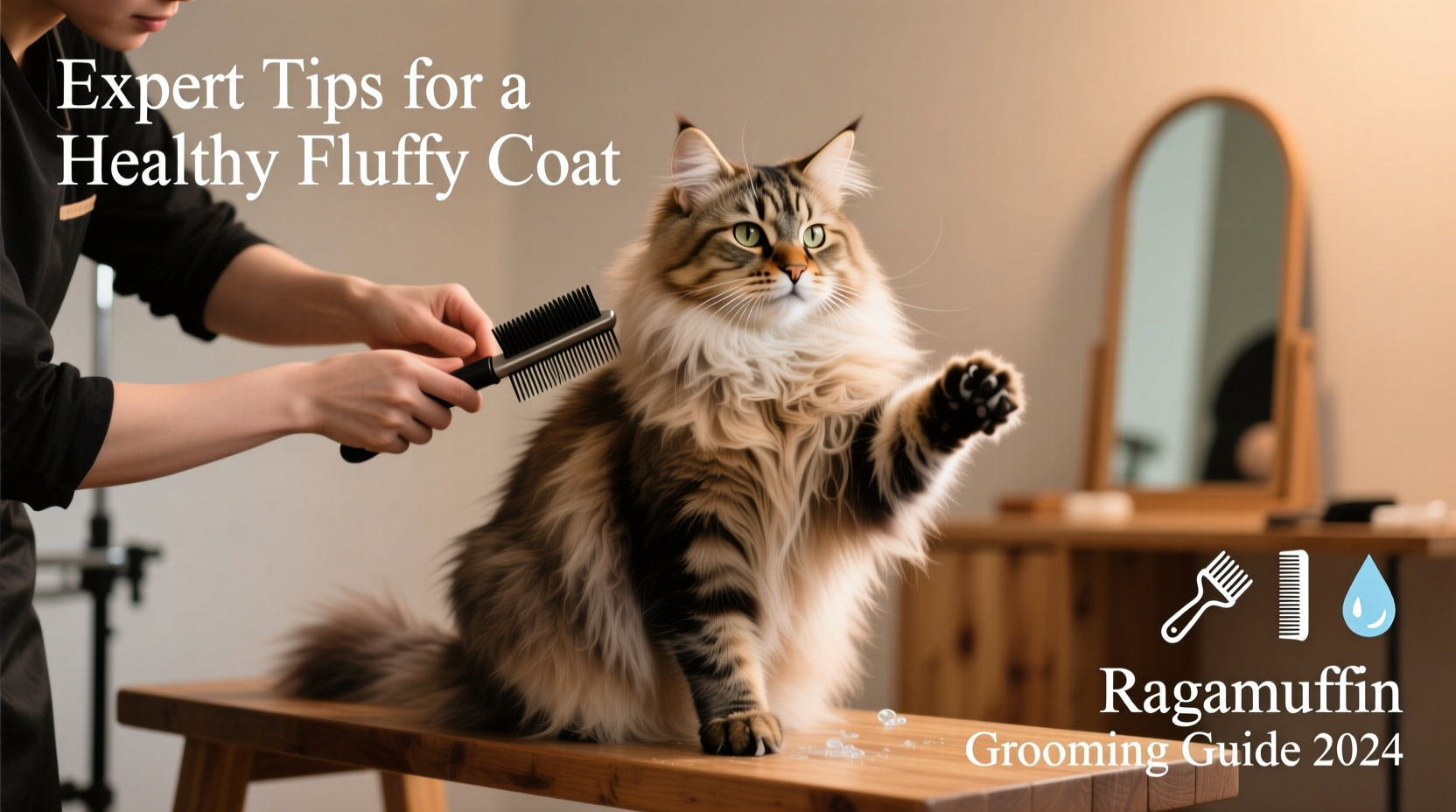
Ragamuffins have a dense, plush double coat consisting of a soft undercoat and longer guard hairs on top. Unlike some longhaired breeds, their fur resists matting somewhat better due to its silky texture—but only if maintained regularly. The coat grows thicker in winter and sheds heavily in spring and fall, making seasonal awareness crucial.
Because of their luxurious fur, Ragamuffins are particularly prone to:
- Mats behind the ears, under the legs, and around the hindquarters
- Accumulation of debris and litter in the fur
- Skin irritation from trapped moisture or oils
- Excessive hairballs from self-grooming
Regular grooming prevents these issues and allows early detection of skin problems, parasites, or lumps. It also reduces shedding around the home and strengthens trust between you and your cat.
Tip: Start grooming your Ragamuffin as a kitten to build positive associations with brushing and handling.Essential Grooming Tools and What They Do
Using the right tools makes all the difference in effectiveness and comfort. Here’s a breakdown of must-have items and their purposes:
| Tool | Purpose | Recommended Frequency |
|---|---|---|
| Wide-tooth comb | Detangles loose knots and checks undercoat | Daily |
| Pin brush with rubber-tipped bristles | Removes surface tangles and distributes natural oils | Every other day |
| Undercoat rake | Reduces shedding during heavy shed seasons | 1–2 times per week |
| Mat splitter or dematting tool | Safely cuts through small mats without pulling skin | As needed |
| Nail clippers (cat-specific) | Prevents overgrowth and accidental scratching | Every 2–3 weeks |
| Cotton pads & saline solution | Clean eyes and ears gently | Weekly |
Avoid using human brushes or metal combs with sharp edges—they can damage delicate fur and irritate the skin. Always choose tools designed specifically for longhaired cats.
Step-by-Step Weekly Grooming Routine
A consistent schedule prevents small tangles from becoming unmanageable mats. Follow this timeline to maintain optimal coat health:
- Day 1: Full brushing session (15–20 minutes)
Use the pin brush first to loosen surface debris, then follow with the wide-tooth comb section by section—starting from the head and moving toward the tail. Pay close attention to high-friction zones: armpits, belly, behind the ears, and base of the tail. - Day 3: Light detangling check (5–10 minutes)
Run the comb through problem areas. If resistance is felt, use a mat splitter carefully. Never pull or yank. - Day 5: Undercoat thinning (seasonal)
During shedding season, gently rake the undercoat to remove dead hair. This reduces hairballs and keeps the coat breathable. - Day 7: Bathing (optional, every 4–6 weeks)
Ragamuffins typically don’t require frequent baths, but occasional washing with a pH-balanced cat shampoo helps control oil buildup. Rinse thoroughly and dry with a low-heat blow dryer or towel in a warm room.
After each session, reward your cat with affection or a treat to reinforce positive behavior.
“Daily interaction with the coat allows owners to catch issues like fleas, ringworm, or cysts early. Grooming isn’t vanity—it’s preventive healthcare.” — Dr. Lena Torres, Feline Dermatology Specialist, AVMA
Common Mistakes to Avoid
Even well-meaning owners can make errors that compromise their cat’s comfort or coat quality. Steer clear of these pitfalls:
- Skipping grooming because the cat “looks clean”: Mats form beneath the surface and may not be visible until they’re severe.
- Using scissors on mats: This risks cutting the skin. Always use a safe dematting tool or consult a professional.
- Bathing too often: Over-bathing strips natural oils, leading to dry skin and increased shedding.
- Grooming only when problems arise: Reactive care leads to stress for both cat and owner. Prevention is far easier than correction.
- Ignoring the tail and paw fur: These areas collect litter and moisture, increasing infection risk.
Real-Life Example: Reversing Matting in a Rescue Ragamuffin
Sarah adopted a 3-year-old Ragamuffin named Milo from a shelter. Though friendly, Milo had neglected fur—mats covered his belly and rear legs. His previous owner hadn’t groomed him regularly, and he flinched when touched.
Sarah started slowly: five minutes of gentle combing daily, paired with treats and calm music. She used a mat splitter for minor tangles and avoided shaving unless necessary. Within three weeks, Milo began to enjoy the sessions. After two months of consistent care, his coat was smooth and shiny. More importantly, he gained confidence and became more affectionate.
This case highlights how patience and routine transform not just appearance, but emotional well-being.
Seasonal Adjustments for Optimal Coat Health
Your grooming strategy should adapt throughout the year:
- Spring and Fall: Peak shedding seasons. Increase brushing to daily and incorporate an undercoat rake. Watch for excessive hairball production.
- Summer: Keep the coat trimmed around the neck and belly if your cat tolerates it. Check for fleas and ticks weekly.
- Winter: Indoor heating dries skin. Use a humidifier and consider a vet-approved omega-3 supplement to support skin hydration.
In warmer climates, some owners opt for a “lion cut” during summer—a professional trim leaving fur on the head, legs, and tail tip. This reduces heat stress while preserving breed aesthetics.
Frequently Asked Questions
How often should I brush my Ragamuffin cat?
At minimum, brush your Ragamuffin every other day. Daily brushing is ideal, especially during shedding seasons, to prevent mats and reduce hairballs.
Can I shave my Ragamuffin if the coat gets too messy?
Shaving should be a last resort and performed only by a professional groomer familiar with cats. Improper shaving can damage follicles and impair temperature regulation. Focus on prevention through regular brushing instead.
My cat hates being brushed—what can I do?
Start with very short sessions (1–2 minutes) and pair them with treats or playtime. Use softer tools like a rubber grooming mitt initially. Gradually increase duration as your cat becomes accustomed. Never force the process.
Final Checklist: Your Ragamuffin Grooming Essentials
- ✅ Brush with a pin brush and wide-tooth comb at least every other day
- ✅ Inspect high-risk areas (armpits, belly, tail base) weekly
- ✅ Use an undercoat rake during heavy shedding periods
- ✅ Trim nails every 2–3 weeks
- ✅ Clean ears and eyes gently with cotton and saline
- ✅ Bathe only when necessary (every 4–6 weeks max)
- ✅ Schedule professional grooming once or twice a year if needed
- ✅ Monitor for skin issues, parasites, or changes in coat texture
Take Action Today for a Healthier, Happier Cat
Grooming your Ragamuffin isn’t just about keeping them looking picture-perfect—it’s a vital part of their overall health and happiness. With the right tools, routine, and understanding, you can prevent discomfort, detect issues early, and deepen your bond through daily care. Start small, stay consistent, and watch how a few minutes a day transform your cat’s quality of life.
💬 Have a grooming tip or success story with your Ragamuffin? Share it in the comments below and help fellow cat lovers provide the best care for their fluffy companions!








