
Rabbits are intelligent, social animals that thrive in environments where they can move freely, explore, and express natural behaviors. While many people assume a small wire cage is sufficient, inadequate housing leads to stress, obesity, sore hocks, and behavioral issues. A well-designed rabbit habitat should prioritize comfort, safety, and stimulation. The best rabbit cage setup goes beyond basic containment—it creates a home that supports physical health and emotional well-being.
Whether you're setting up an indoor enclosure or enhancing an outdoor hutch, thoughtful planning makes all the difference. From flooring materials to space dimensions and enrichment features, every detail contributes to your rabbit’s quality of life. Below is a comprehensive guide to building a rabbit-friendly living space grounded in animal welfare principles and real-world usability.
Size Matters: Minimum Space Requirements
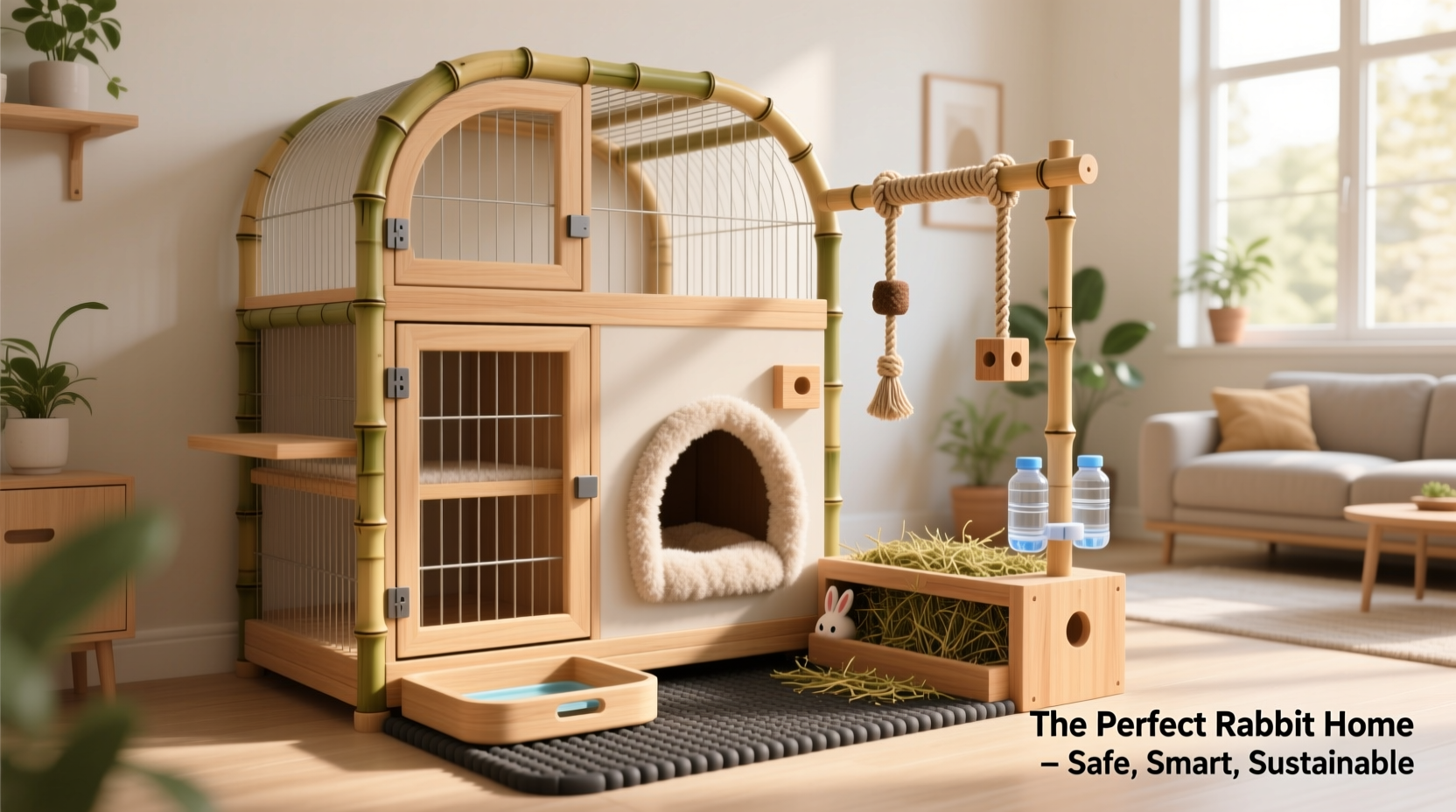
The most common mistake in rabbit housing is undersizing the enclosure. Rabbits need room to hop, stretch, stand on their hind legs, and lie out fully. According to the House Rabbit Society, a minimum floor space of 12 square feet (about 3 ft x 4 ft) is necessary for one average-sized rabbit. However, this should be considered the bare minimum—larger is always better.
In addition to floor area, vertical space matters. Many rabbits enjoy rearing up or perching on platforms. If your cage has height clearance (at least 18–24 inches), consider adding low shelves or resting boxes to encourage movement without risk of injury.
Tip: Combine a secure cage with daily supervised free-roam time in a bunny-proofed room. This hybrid approach offers both safety and freedom.Flooring: Comfort Underfoot
A rabbit’s feet are delicate. Wire-bottom cages, while common, can lead to painful pressure sores known as pododermatitis (or “sore hocks”), especially in heavier breeds or older rabbits. Solid flooring covered with soft, absorbent bedding is far more humane and practical.
Recommended options include:
- Oriented Strand Board (OSB) or plywood with washable fleece liners
- Reversible fabric mats filled with absorbent padding underneath
- Indoor/outdoor carpet tiles (ensure no loose threads or toxic adhesives)
Whatever surface you choose, avoid cedar or pine shavings—they release aromatic oils that can damage respiratory systems. Instead, use paper-based bedding like Carefresh or recycled cardboard pellets beneath fabric layers for added absorption.
“Rabbits spend nearly all their time on their feet. Providing cushioned, non-slip surfaces prevents chronic pain and long-term mobility issues.” — Dr. Lauren Ford, Exotic Animal Veterinarian
Essential Components of a Functional Setup
A complete rabbit cage isn’t just about size and flooring—it must include designated zones for key activities: eating, toileting, resting, and playing. Integrating these elements thoughtfully improves hygiene and reduces stress.
| Zone | Item | Purpose | Placement Tips |
|---|---|---|---|
| Eating | Heavy ceramic bowl | Holds food without tipping | Place near entrance for easy access |
| Drinking | Hang-on water bottle or weighted bowl | Provides fresh water | At nose level; check daily for clogs |
| Toileting | Litter box with hay | Encourages consistent use | Corners are preferred by most rabbits |
| Resting | Hide house or tunnel | Offers security and privacy | Partially enclosed, away from drafts |
| Playing | Chew toys, cardboard tubes | Wears down teeth and relieves boredom | Rotate weekly to maintain interest |
Step-by-Step Guide to Building a Better Cage
Follow this sequence to create a safe, enriching environment tailored to your rabbit’s needs:
- Choose the base structure: Use a large dog exercise pen (X-pen), converted bookshelf, or custom-built wooden frame. Ensure it’s at least 3 ft x 4 ft and 2 ft high.
- Add solid flooring: Install OSB board or lay down interlocking foam tiles. Cover with machine-washable fleece secured with binder clips.
- Install litter zone: Place a low-entry litter box in one corner filled with paper-based litter and topped with fresh hay to encourage use.
- Set up feeding stations: Position a heavy food bowl and water source nearby but separate from the litter area.
- Add shelter and enrichment: Include a hideout (wooden house or cardboard box) and at least two chew-safe toys made from untreated wood or seagrass.
- Secure the top: If indoors and safe from predators, partial netting may suffice. Outdoors, use welded wire mesh (½” grid) to prevent escapes and deter pests.
- Test for hazards: Check for sharp edges, loose wires, or chewable electrical cords within reach. Rabbits love to gnaw.
Real-Life Example: Transforming a Basic Hutch
Sarah from Portland adopted a neutered male rabbit named Oliver from a local shelter. He came with a standard outdoor hutch—wire floor, cramped interior, and minimal protection from weather. Within weeks, Oliver developed mild sore hocks and showed signs of lethargy.
After consulting a vet and researching proper care, Sarah rebuilt the setup using a modified X-pen attached to the original hutch. She added a solid plywood base with fleece covering, installed a large litter box, and introduced a rotating toy system. She also began allowing Oliver two hours of indoor free roam daily.
Within a month, his gait improved, he became more active, and his litter habits stabilized. The new cage didn’t cost much more than replacement bedding would have over a year—but the impact on Oliver’s well-being was profound.
Do’s and Don’ts at a Glance
| Do | Don’t |
|---|---|
| Provide at least 12 sq ft of floor space | Use cages smaller than 2 ft x 3 ft |
| Use solid, padded flooring | Keep rabbits on continuous wire mesh |
| Offer daily exercise outside the cage | Confine rabbits 24/7 |
| Include hiding spots and mental stimulation | Leave the cage barren or sterile |
| Clean litter boxes daily and deep-clean weekly | Ignore odor or urine buildup |
Frequently Asked Questions
Can I keep my rabbit in a cage outdoors?
Yes, but only if the enclosure is predator-proof, shaded, draft-free, and insulated against extreme temperatures. Outdoor rabbits still require regular interaction and daily monitoring. Indoor housing generally provides better control over safety and climate.
How often should I clean the cage?
Spot clean droppings and soiled bedding daily. Replace wet or dirty litter completely every 2–3 days. Perform a full wash and disinfect of hard surfaces once a week using a vinegar-water solution or pet-safe cleaner.
Is it okay to use a glass aquarium as a rabbit cage?
No. Aquariums lack ventilation, restrict visibility, and limit space. They trap ammonia from urine, creating poor air quality. Even large tanks do not meet minimum space requirements and are unsuitable for rabbits of any age.
Final Thoughts and Call to Action
The best rabbit cage setup reflects a commitment to compassionate care. It balances practicality with empathy, offering security without sacrificing freedom. By prioritizing spacious design, soft flooring, enrichment, and routine interaction, you give your rabbit the foundation for a joyful, healthy life.
Every change—no matter how small—matters. Whether you’re upgrading from a wire cage or designing a custom habitat, start today. Your rabbit won’t thank you in words, but their bright eyes, energetic hops, and relaxed demeanor will say it all.
🚀 Ready to improve your rabbit’s living space? Share your setup ideas, ask questions, or post photos of your DIY enclosure in the comments below—let’s build a community of informed, caring rabbit owners!








