A clicking or snapping sensation in the hip is more common than many realize. Often dismissed as harmless, this phenomenon—medically referred to as \"snapping hip syndrome\"—can range from a mild annoyance to a sign of underlying musculoskeletal strain. While occasional clicking without pain may not require intervention, persistent discomfort, swelling, or restricted movement should prompt evaluation. Understanding the root causes, recognizing associated symptoms, and knowing which treatment paths are effective can make a significant difference in maintaining mobility and joint health.
Anatomy Behind the Snap: Why Hips Click
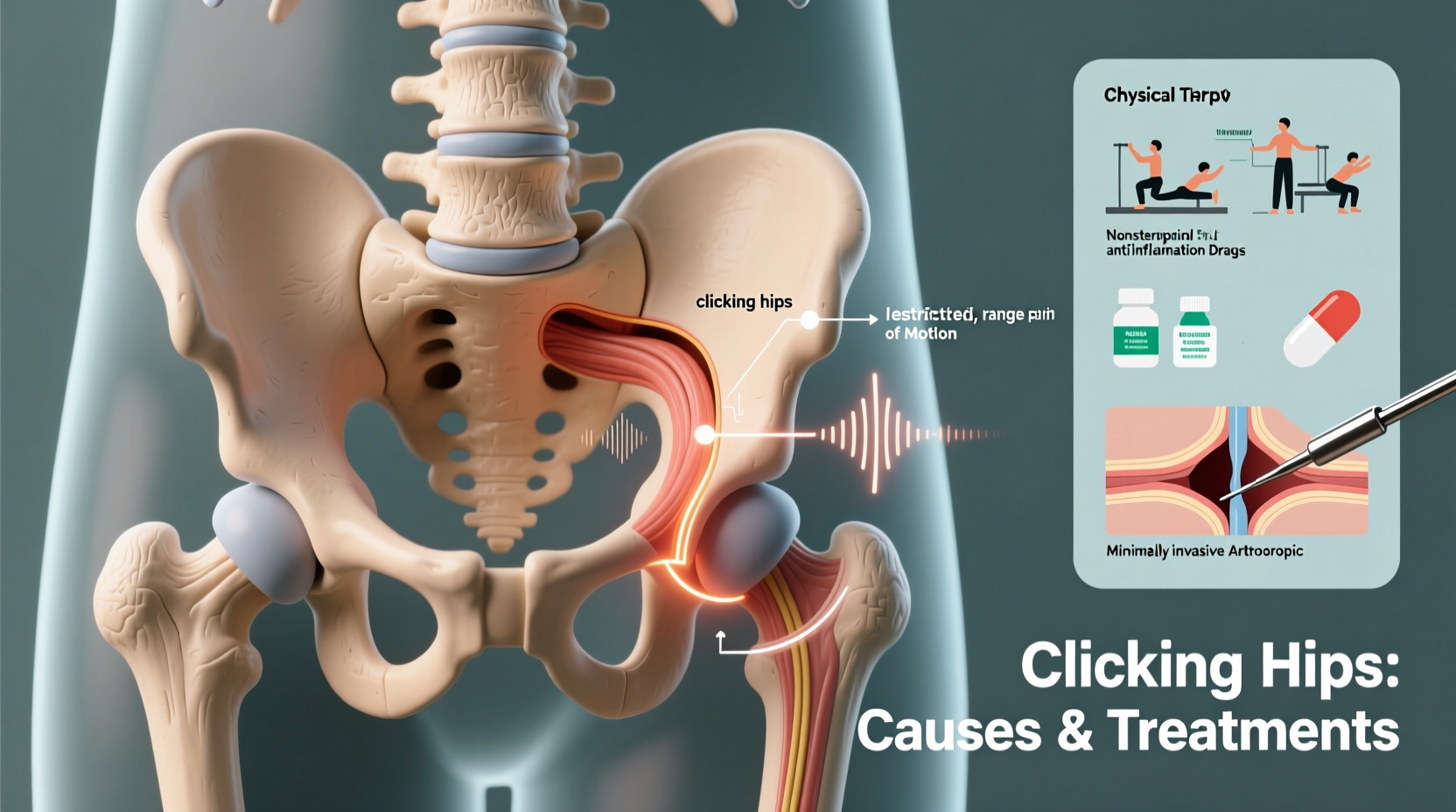
The hip joint is one of the body’s most complex structures, designed to support weight and enable fluid motion. Snapping sensations typically occur when tendons or muscles slide over bony prominences during movement. There are three primary types of snapping hip, categorized by location:
- External snapping: Caused by the iliotibial (IT) band or gluteus maximus tendon moving over the greater trochanter (the bony point on the side of the hip).
- Internal snapping: Occurs when the iliopsoas tendon slides over the front of the hip joint or pelvic bone, often felt deep in the groin.
- Intra-articular snapping: Originates inside the joint itself, usually due to labral tears, cartilage damage, or loose bodies within the joint space.
External and internal forms are often mechanical and benign, while intra-articular causes may signal structural damage requiring medical attention.
Tip: Pay attention to where you feel the snap—side, front, or deep in the joint—as location helps determine the type and appropriate response.Symptoms and When to Be Concerned
Not all hip clicking is problematic. Many athletes and dancers experience snapping without pain, particularly during high-range movements like leg lifts or squats. However, certain symptoms suggest the need for professional assessment:
- Pain accompanying the click, especially with activity
- Swelling or warmth around the hip
- Feeling of instability or “locking” in the joint
- Reduced range of motion or stiffness
- Clicking that worsens over time
Chronic snapping can lead to inflammation of tendons (tendinitis) or bursae (bursitis), particularly trochanteric bursitis in external cases or iliopsoas bursitis in internal ones. Left unmanaged, these conditions may impair daily function and athletic performance.
“Repetitive snapping isn’t always dangerous, but when pain follows the pop, it’s your body signaling that something needs adjustment.” — Dr. Lena Torres, Sports Medicine Physician
Common Causes and Risk Factors
Snapping hip syndrome is frequently linked to biomechanical imbalances and repetitive motions. Key contributors include:
- Muscle tightness: Especially in the IT band, hip flexors, or hamstrings, increasing friction over bones.
- Muscle weakness: Weak glutes or core muscles fail to stabilize the pelvis, leading to abnormal hip mechanics.
- Overuse: Common in runners, dancers, cyclists, and weightlifters due to repeated hip flexion and extension.
- Anatomical variations: Slight differences in bone structure or tendon insertion points can predispose individuals to snapping.
- Previous injury: Hip or pelvic trauma may alter movement patterns and contribute to long-term strain.
Younger, active individuals are most commonly affected, though older adults may develop intra-articular snapping due to degenerative joint changes.
Treatment Options: From Conservative to Medical
Most cases of snapping hip respond well to non-invasive strategies. The goal is to reduce irritation, correct imbalances, and restore smooth joint function.
Step-by-Step Guide to Conservative Management
- Rest and activity modification: Avoid movements that provoke snapping, such as deep squats or prolonged running.
- Cold therapy: Apply ice to painful areas for 15–20 minutes after activity to reduce inflammation.
- Stretching routine: Focus on the IT band, hip flexors, hamstrings, and piriformis. Hold each stretch for 30 seconds, 2–3 times daily.
- Strengthening exercises: Target gluteus medius, core stabilizers, and hip abductors to improve pelvic control.
- Manual therapy: Seek physical therapy for soft tissue mobilization, gait analysis, and personalized exercise plans.
- Gradual return to activity: Reintroduce sport-specific movements slowly, monitoring for symptom recurrence.
In cases of confirmed bursitis or tendinopathy, healthcare providers may recommend corticosteroid injections to reduce localized inflammation. For intra-articular issues—such as labral tears—diagnostic imaging (MRI or ultrasound) is essential, and arthroscopic surgery may be considered if conservative care fails.
| Type of Snapping | Common Cause | First-Line Treatment | When to Refer |
|---|---|---|---|
| External | IT band over trochanter | Stretching, strengthening, activity mod | Persistent pain, bursitis signs |
| Internal | Iliopsoas tendon glide | Flexor stretches, core stability | Groin pain, limited hip extension |
| Intra-articular | Labral tear, cartilage defect | Imaging, PT, possible injection | Locking, catching, mechanical symptoms |
Real-World Example: A Dancer’s Recovery Journey
Sophie, a 24-year-old contemporary dancer, began noticing a loud snap on the outside of her right hip during développé movements. Initially painless, the sensation became uncomfortable after rehearsals, eventually causing lateral hip soreness. After consulting a sports physiotherapist, she was diagnosed with external snapping hip syndrome secondary to IT band tightness and weak gluteal muscles.
Her treatment plan included twice-weekly manual therapy sessions, a daily home program of foam rolling and targeted strengthening, and temporary modification of dance routines to avoid extreme abduction. Within eight weeks, the snapping decreased significantly, and pain resolved. Sophie now incorporates preventive exercises into her warm-up and reports improved overall hip control.
Prevention Checklist
To minimize the risk of developing or re-aggravating snapping hip, follow this actionable checklist:
- ✅ Perform dynamic hip stretches before workouts
- ✅ Strengthen gluteal and core muscles 2–3 times per week
- ✅ Avoid sudden increases in training intensity or volume
- ✅ Use proper footwear and consider orthotics if biomechanics are off
- ✅ Incorporate cross-training to reduce repetitive hip stress
- ✅ Listen to early warning signs—don’t ignore persistent clicking with discomfort
Frequently Asked Questions
Is hip clicking always a sign of injury?
No. Many people experience pain-free hip snapping due to normal tendon movement. It only becomes a concern when accompanied by pain, swelling, or functional limitations.
Can stretching alone fix snapping hip?
Stretching helps, especially for tight IT bands or hip flexors, but lasting improvement usually requires combining flexibility work with strength training and movement correction.
How long does it take to recover from snapping hip syndrome?
With consistent conservative care, most people see improvement within 6 to 12 weeks. Chronic or structural cases may take longer and require specialized interventions.
Final Thoughts and Next Steps
Clicking hips are more than just a curious noise—they can be a clue to underlying muscular imbalances or joint stress. While often benign, persistent or painful snapping deserves attention. Addressing the issue early with targeted stretching, strengthening, and professional guidance can prevent progression to more serious conditions like bursitis or labral damage.
🚀 Take action today: If your hip clicks and bothers you, start with a simple stretch and strength routine. Consider booking a session with a physical therapist to assess your movement patterns. Your long-term joint health depends on the steps you take now.








