
For decades, the iconic foil-wrapped convenience pastry has graced breakfast tables across America—its flaky crust, sweet cinnamon swirl, and glossy frosting offering a nostalgic burst of childhood comfort. But the true magic of the Cinnamon-Frosted Pop Tart lies not in its mass-produced form, but in its potential for reinvention at home. Far from a mere imitation, a handmade version elevates this beloved treat into a legitimate breakfast pastry worthy of a bakery case. With butter-rich dough, a deeply aromatic cinnamon-sugar filling, and a silky vanilla glaze that hardens into a delicate shell, homemade Cinnamon-Frosted Pop Tarts deliver superior texture, flavor, and freshness that store-bought versions simply can't match. This is not just a recipe—it’s a culinary upgrade of a pantry staple, transforming a processed snack into a crafted morning indulgence.
Definition & Overview
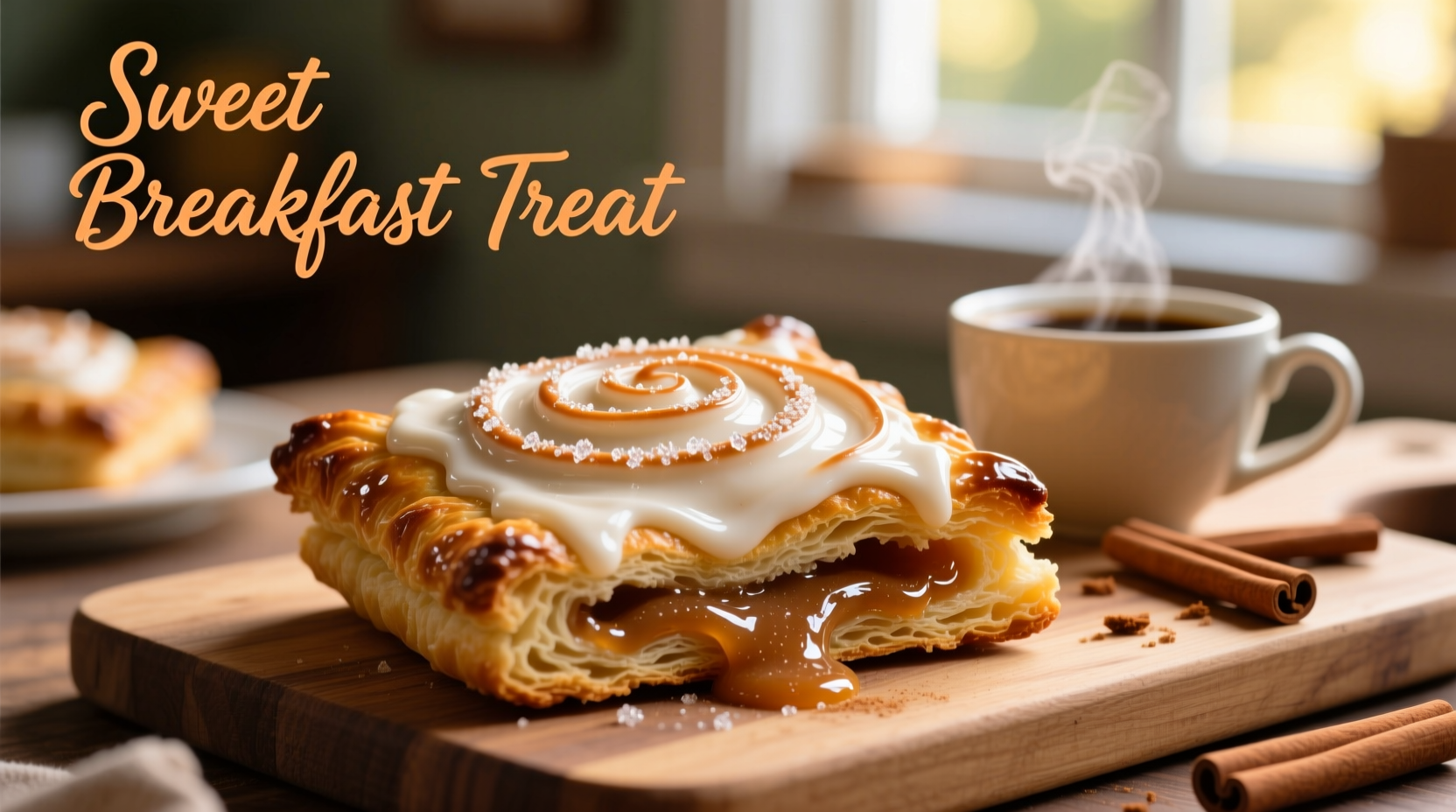
Cinnamon-Frosted Pop Tarts are a commercially inspired breakfast pastry consisting of two layers of thin, enriched dough enclosing a spiced cinnamon and sugar filling, sealed at the edges and baked until golden. After cooling, they are topped with a white icing typically flavored with vanilla and often drizzled or spread to cover the surface. While originally developed and popularized by Kellogg’s in the 1960s as a shelf-stable toaster pastry, the concept has been widely adapted by home bakers seeking a fresher, higher-quality alternative using real ingredients.
In its artisanal form, the Cinnamon-Frosted Pop Tart functions as a hybrid between a hand pie and a danish. It retains the portable, handheld appeal of the original but replaces hydrogenated oils, high-fructose corn syrup, and artificial flavors with butter, fresh flour, real cane sugar, and pure spices. The result is a pastry that delivers the same comforting sweetness and textural contrast—crisp exterior, tender interior, sticky-sweet topping—but with depth, richness, and balance absent in the commercial variant.
The pastry occupies a unique space in American food culture: simultaneously a symbol of processed convenience and a canvas for culinary creativity. Its enduring popularity speaks to the universal appeal of cinnamon-sugar combinations, while its adaptability makes it ideal for weekend baking projects, holiday treats, or even gourmet brunch offerings.
Key Characteristics
| Attribute | Description |
|---|---|
| Flavor Profile | Warm, sweet, and aromatic; dominated by ground cinnamon and granulated sugar, balanced by buttery dough and a mildly sweet vanilla glaze. |
| Aroma | Pronounced cinnamon and toasted pastry notes during baking; subtle vanilla in the frosting. |
| Texture | Crust is crisp yet tender; interior remains soft with slight pull; frosting sets into a smooth, slightly tacky finish. |
| Color | Golden brown crust; bright white glaze with optional light browning at edges. |
| Serving Temperature | Ideal when toasted lightly or served at room temperature; enhances crispness and aroma. |
| Shelf Life (Homemade) | 2 days at room temperature (covered); up to 5 days refrigerated; freezes well for up to 3 months. |
| Culinary Function | Breakfast item, dessert, snack, or on-the-go pastry; suitable for meal prep and entertaining. |
Practical Usage: How to Make & Use Cinnamon-Frosted Pop Tarts
Creating authentic-tasting Cinnamon-Frosted Pop Tarts at home requires attention to three core components: the dough, the filling, and the glaze. Each plays a critical role in achieving the signature taste and texture.
Dough: Building a Flaky, Buttery Base
The foundation of any quality Pop Tart is a laminated-enough dough that crisps when baked but doesn’t crack under pressure. A simple enriched pastry dough works best—similar to pie crust but slightly sturdier to withstand sealing and handling.
- Ingredients: 2½ cups all-purpose flour, ½ teaspoon salt, 1 tablespoon granulated sugar, ½ cup (1 stick) cold unsalted butter, cut into cubes, ¼ cup vegetable shortening (for stability), 6–8 tablespoons ice water.
- Method: Combine dry ingredients. Cut in butter and shortening until pea-sized crumbs form. Gradually add ice water, one tablespoon at a time, mixing just until the dough holds together. Divide into two disks, wrap in plastic, and chill for at least 1 hour.
- Rolling: On a floured surface, roll each disk to ⅛-inch thickness. Use a ruler or template to cut rectangles approximately 3.5 x 7 inches (standard Pop Tart size).
Pro Tip: Keep all ingredients cold. Warm dough leads to greasy, tough pastries. If the dough becomes sticky while working, return it to the fridge for 15 minutes before continuing.
Filling: The Heart of the Flavor
The filling should be sweet but not cloying, with a pronounced cinnamon presence and just enough body to prevent leakage.
- ½ cup packed brown sugar (light or dark)
- 1½ teaspoons ground cinnamon
- 1 tablespoon all-purpose flour (to absorb moisture and stabilize)
- Pinch of salt
- Optional: 1 teaspoon finely chopped pecans or walnuts for texture
Mix thoroughly. For every bottom pastry rectangle, sprinkle about 1½ teaspoons of filling, leaving a ½-inch border around the edge. Overfilling causes bursting during baking.
Sealing & Baking
Place a second dough rectangle over the filled base. Press the edges firmly with a fork to seal—this step is crucial to prevent oozing. Alternatively, use a decorative pastry crimper for a professional finish. Prick the top lightly with a fork to allow steam to escape.
Bake at 375°F (190°C) for 18–22 minutes, or until edges are golden and tops are set. Cool completely on a wire rack before frosting.
Glaze: Recreating the Iconic Frosting
The frosting must be thick enough to coat without dripping excessively but fluid enough to spread smoothly. Unlike commercial versions that use confectioners’ glaze (often containing gums and preservatives), a homemade version relies on powdered sugar and liquid control.
- 1 cup powdered sugar
- 1–2 tablespoons milk or cream (whole milk preferred)
- ½ teaspoon pure vanilla extract
- Pinch of salt
Mix until smooth. Adjust consistency: thicker for drizzling, thinner for spreading. Apply with a spoon, small offset spatula, or piping bag. Allow 15–20 minutes for the glaze to set before serving.
Storage Note: Glazed tarts should be stored in a single layer with parchment between them to prevent sticking. Humid environments may soften the glaze—store in an airtight container with a silica packet if needed.
Variants & Types
While the classic Cinnamon-Frosted version remains the most popular, numerous variations exist—both in commercial production and among home bakers. Understanding these helps tailor the recipe to different tastes and occasions.
| Type | Characteristics | Best Used For |
|---|---|---|
| Classic Homemade | Butter-based dough, brown sugar-cinnamon filling, vanilla glaze | Everyday breakfast, family baking |
| Whole Wheat / Health-Conscious | Partial or full whole wheat flour, coconut sugar, reduced-fat dairy | Nutrient-dense snacks, school lunches |
| Vegan | Plant-based butter, flax egg (optional binding), almond milk in glaze | Dairy-free diets, ethical eating |
| Gourmet Artisan | Laminated dough (like croissant), house-blend cinnamon, candied pecans, bourbon glaze | Brunch menus, gift giving, specialty cafes |
| Fruit-Filled Variants | Apple, blueberry, or raspberry preserves instead of cinnamon | Seasonal baking, fruit-forward palates |
| Mini Pop Tarts | Half-size (2 x 3 inches), ideal for parties or kids | Appetizers, bake sales, portion control |
Each variant adjusts ingredient ratios and techniques accordingly. For example, fruit preserves require a thickener like chia seeds or cornstarch to prevent sogginess, while laminated dough benefits from cold fermentation to develop flakiness.
Comparison with Similar Ingredients & Pastries
The Cinnamon-Frosted Pop Tart is often grouped with other sweet handheld pastries, but key differences set it apart in structure, purpose, and preparation.
| Pastry | Dough Type | Filling Style | Glaze/Frosting? | Primary Use |
|---|---|---|---|---|
| Cinnamon-Frosted Pop Tart | Enriched pastry crust (butter/shortening blend) | Dry spice-sugar mix | Yes – vanilla glaze | Breakfast/snack |
| Hand Pie | Traditional pie dough | Wet fillings (fruit, custard) | No | Dessert |
| Danish Pastry | Laminated yeast dough | Cream cheese, fruit, custard | Often dusted with sugar, rarely glazed | Bakery café item |
| Toaster Strudel | Phyllo-like layered dough | Fruit jam center | Yes – included icing packet | Convenience breakfast |
| Cinnamon Roll | Yeast-raised dough | Swirled within dough | Frosting on top (cream cheese common) | Dessert or indulgent breakfast |
Unlike Danish or cinnamon rolls, Pop Tarts do not rely on yeast or leavening for rise—their volume comes solely from steam during baking. They also differ from hand pies in their uniform shape, thin profile, and inclusion of frosting, which is more typical of decorated cookies than traditional pastries.
“The beauty of the homemade Pop Tart is that it bridges the gap between nostalgia and craftsmanship. You’re not just replicating a product—you’re improving it.” — Chef Elena Rodriguez, Pastry Instructor at New England Culinary Institute
Practical Tips & FAQs
How do I prevent my Pop Tarts from leaking during baking?
Ensure a tight seal by pressing the edges thoroughly with a fork or crimping tool. Leave adequate space (at least ½ inch) between filling and edge. Chilling the assembled tarts for 15 minutes before baking helps solidify the fat and strengthens the dough structure.
Can I freeze homemade Pop Tarts?
Yes—and it's highly recommended for meal prep. Assemble and bake the tarts, cool completely, then freeze unglazed in a single layer. Once frozen, transfer to a freezer-safe bag. Toast straight from frozen (3–5 minutes in a toaster oven), then apply frosting after warming.
What’s the best type of cinnamon to use?
Use Saigon or Ceylon cinnamon for superior flavor. Saigon offers a bold, spicy-sweet note, while Ceylon is more floral and complex. Avoid cassia if you prefer subtlety. Never use “cinnamon flavor” powders—they lack depth and can taste artificial.
Why does my dough crack when I roll it out?
This usually indicates insufficient hydration or overly cold dough. Let it warm slightly at room temperature for 5–10 minutes. If cracking persists, lightly dampen the edges with water before sealing—this acts as a “glue.”
Can I make these gluten-free?
Yes, using a 1:1 gluten-free flour blend with xanthan gum. Add ½ teaspoon apple cider vinegar to the dough for elasticity. Expect a slightly more fragile texture—handle gently during assembly.
Are Pop Tarts really meant to be toasted?
Yes. Even homemade versions benefit from light toasting. It re-crisps the crust, intensifies the aroma, and slightly melts the glaze for a richer mouthfeel. Use a toaster, toaster oven, or skillet over low heat.
How can I make them kid-friendly or fun for holidays?
Use cookie cutters to create shapes (hearts, stars, pumpkins). Add food-safe color to the glaze. Let children decorate with sprinkles, mini chips, or edible glitter. Mini versions are perfect for lunchboxes or birthday favors.
Checklist: Success Factors for Perfect Pop Tarts
- Chill dough before rolling and after shaping
- Don’t overfill—stick to 1½ tsp per tart
- Seal edges tightly and crimp decoratively
- Bake on parchment-lined sheet for even browning
- Cool completely before glazing
- Store in single layers with parchment separation
Summary & Key Takeaways
The Cinnamon-Frosted Pop Tart transcends its origins as a mass-market snack when recreated with care and quality ingredients. At its best, it becomes a legitimate breakfast pastry—flaky, fragrant, and satisfying—offering both convenience and craftsmanship. The homemade version allows full control over sweetness, texture, and nutritional content, making it adaptable to dietary needs and flavor preferences.
Success hinges on three elements: a well-chilled, properly hydrated dough; a balanced, non-leaking cinnamon-sugar filling; and a smooth, settable vanilla glaze. When executed correctly, the result is a pastry that delivers warmth, nostalgia, and sensory pleasure in equal measure.
Variations abound—from vegan and gluten-free adaptations to gourmet interpretations featuring bourbon glaze or candied nuts—ensuring there’s a version for every palate and occasion. Whether prepared for a weekend family breakfast, a holiday gift, or a batch-cooked freezer stash, these tarts exemplify how elevating a simple concept with real ingredients transforms the ordinary into the exceptional.
Try your first batch this weekend. Serve them warm from the toaster with a glass of milk or a pour-over coffee—then consider experimenting with your own filling blends. The next evolution of the Pop Tart isn’t on grocery shelves. It’s in your kitchen.









